The Gambia: From Beach Paradise To Ecotourism Hub Of Africa
The Gambia: From Beach Paradise To Ecotourism Hub Of Africa

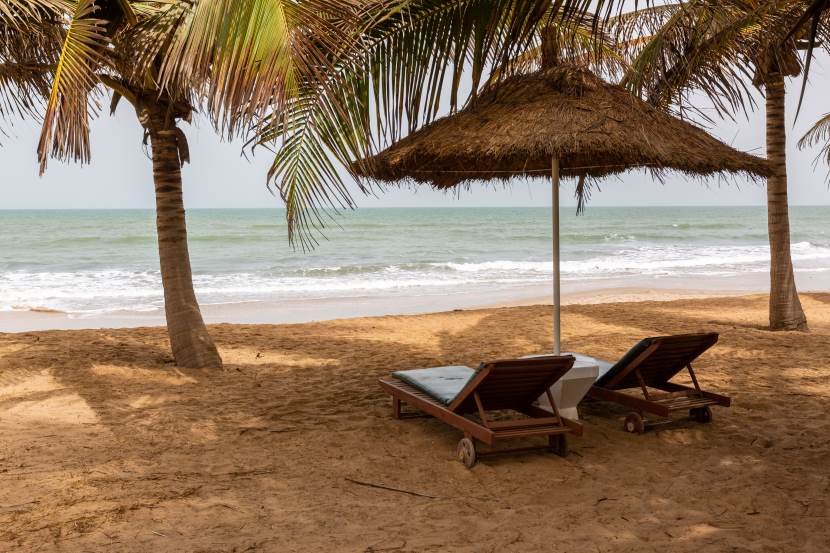
The Gambia has been known as a tranquil beach destination for years, offering visitors a relaxing escape along the West African coastline. However, the country is undergoing a transformation as it shifts focus toward becoming a leading ecotourism and cultural hotspot. Supported by the World Bank-funded Tourism Diversification and Resilience Project, The Gambia is positioning itself as a destination for travellers seeking environmental and cultural experiences. This new direction promises not only to broaden the tourism offering but also to introduce a range of sustainable and educational experiences for those looking to explore Africa beyond traditional beach resorts.
A New Marketing Strategy for Ecotourism
As part of its efforts to diversify its tourism offerings, The Gambia Tourism Board has launched an ambitious marketing strategy that emphasizes the country’s ecotourism potential. By focusing on natural conservation and heritage tourism, The Gambia is tapping into a growing global demand for responsible travel. The country’s newfound position as an ecotourism destination highlights its vast wildlife, cultural heritage, and environmentally conscious initiatives, all designed to attract a more diverse range of visitors. This move is expected to increase tourism revenue and promote sustainable development within the country.
Gambia’s Accessibility as a Gateway to Africa
One of the key advantages that The Gambia holds over other African nations is its accessibility, particularly for first-time travellers to Africa. English, the official language, allows for smooth communication with locals, making it an ideal starting point for tourists visiting the continent for the first time. The simplicity of navigating the country and interacting with its people has long been considered one of The Gambia’s most appealing features, helping to attract a variety of tourists, from those seeking beach vacations to those drawn to the country’s emerging ecotourism offerings.
Community-Driven Ecotourism Projects
The Gambia’s commitment to environmental sustainability is evident in the many grassroots ecotourism projects being implemented across the country. One such initiative is located just an hour south of the main tourist areas in the village of Gunjur, which has become a model for community-led conservation efforts. Projects like the Turtle Project, which works to protect endangered sea turtles, and the plastic recycling program are both impactful and accessible for travellers. These initiatives highlight the importance of local community involvement in environmental protection while offering travellers a hands-on experience in conservation.
In addition to these efforts, the Gambia Cotton Trail is another remarkable community-based project that demonstrates the country’s commitment to cultural preservation. The initiative, which connects the coastal village of Gunjur with the upriver village of Njau, offers travellers the opportunity to engage in the cotton production process, from cultivation to the creation of finished products. The Gambia’s emphasis on ensuring that its products are 100% Gambian, from seed to final item, has allowed for greater cultural engagement and a unique travel experience.
Wildlife and Adventure Tourism in The Gambia
Beyond its cultural projects, The Gambia offers visitors a range of wildlife and adventure tourism opportunities. River safaris along the River Gambia provide a chance to explore the country’s diverse ecosystems, including the lush forests and wetlands that are home to an array of birds and wildlife. For birdwatchers, The Gambia is a haven, with over 500 species recorded in the country. The strategic position of the country along major bird migration routes makes it an ideal destination for ornithologists and casual birdwatchers alike.
Travellers interested in more immersive wildlife experiences can venture upriver to explore areas rich in biodiversity. The country’s central regions are home to rare primates, including the red colobus monkeys, which can be spotted during guided walks in the forests. These activities not only offer a chance to witness rare wildlife in its natural habitat but also contribute to conservation efforts, as visitor fees are often used to fund local preservation projects.
For those interested in longer trips, the Kauren River Camp offers an ideal base for exploring both wildlife and historical sites. Located along the River Gambia, the camp provides an immersive experience with upgraded facilities that allow visitors to enjoy the natural beauty of the region in comfort. The camp is also conveniently located for visits to historical sites like Kunta Kinteh Island, a UNESCO World Heritage site that highlights The Gambia’s role in the transatlantic slave trade.
Ecotourism and Cruise Tourism’s Rising Popularity
In addition to the growing interest in eco- and cultural tourism, The Gambia is seeing a rise in cruise tourism, with several major cruise lines adding Banjul, the capital city, to their itineraries. This development has been instrumental in bringing more international attention to the country, with cruise passengers disembarking to explore both the natural wonders and cultural heritage of the region. Major cruise lines, including Norwegian Cruise Line, Oceania Cruises, and Holland America Line, now include stops in The Gambia, offering day excursions that showcase the country’s unique attractions.
However, while cruises offer a convenient way to experience the country’s highlights, experts recommend that travellers looking for a deeper understanding of The Gambia’s culture and environment should consider spending more time inland. Staying at eco-lodges like Footsteps Ecolodge in Gunjur and participating in community-driven activities will provide a more authentic and rewarding experience. For those willing to travel upriver, combining wildlife viewing with cultural exploration offers a comprehensive Gambian adventure.
Conclusion: The Growing Impact on Gambia’s Tourism Industry
As The Gambia continues to shift its focus toward ecotourism and cultural heritage, the country’s tourism industry is poised for significant growth. The emphasis on community-driven initiatives, wildlife conservation, and sustainable travel is creating a new wave of tourism that not only benefits the environment but also supports local communities. With its rich cultural heritage, diverse wildlife, and accessible travel infrastructure, The Gambia is positioning itself as a premier destination for those seeking an authentic and environmentally responsible African experience.
The impact on The Gambia’s tourism sector has already been felt, with more visitors choosing to explore its inland treasures alongside its beautiful beaches. As more travellers discover the beauty of The Gambia’s ecological and cultural offerings, the country’s reputation as a leading ecotourism destination is set to rise in the coming years.
The post The Gambia: From Beach Paradise To Ecotourism Hub Of Africa appeared first on Travel And Tour World.