Tourism Growth in Finland Puts Pressure on Volunteer Sea Rescue System, Get the Details Here
Tourism Growth in Finland Puts Pressure on Volunteer Sea Rescue System, Get the Details Here

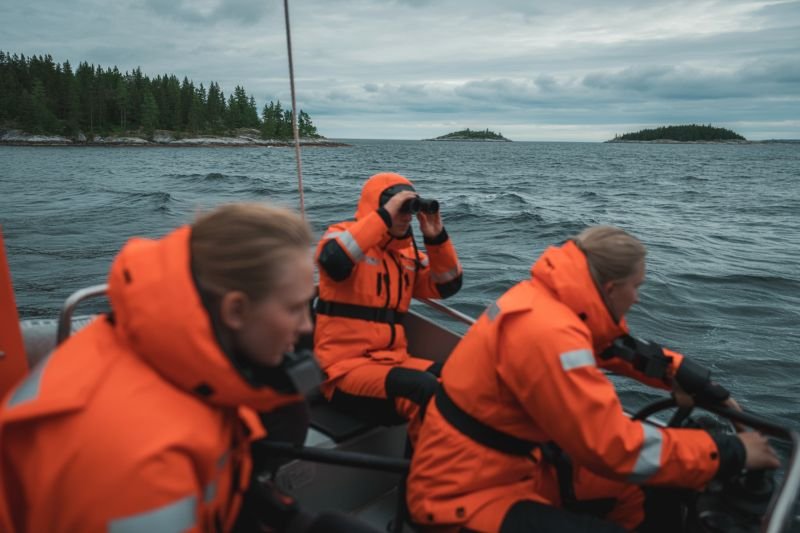
Finland’s approach to high-seas safety has historically relied on government and state-actors along with private actors, which includes the volunteer Lifeboat Institution which maintains a primary role in safety monitoring and rescue in Finland. The Institution has a fleet of 135 ships and 60 local stations which bring the total number of active volunteers to 1,500. The Lifeboat Institution operates under a mixed system of governance with state and local government funds, private donations, and boater memberships. The Institution carries out and maintains rescue and emergency services to 1/3 of the population and rescue services in Finland and maintains a rescue and emergency service operation, legally and contractually, to the institution.
Increased boat traffic, especially leisure boats, and changes in weather conditions and climate in broad Finland has increased strain and stress on the volunteer based Crisis Control System in Finland. This along- with increased climate change impact has increased stress in maritime crises infrastructure in Finland.
The Rise in Boat Traffic and Growing Tourism Pressures the System
In recent years, Finland has seen a steady increase in international tourism, with nearly 5 million foreign trips recorded in 2024. This surge in visitors has led to a rise in leisure travel and recreational boating, significantly affecting the demand for rescue services. As reported by Visit Finland, leisure travel increased by 8% in 2024, reflecting a broader trend of more tourists engaging in water-based activities such as boating, sailing, and fishing.
In the face of this increase in boat traffic, Finland’s volunteer rescue system is experiencing higher demands. Over the past decade, the number of rescue calls has doubled, putting an enormous strain on the institution’s resources. This uptick in traffic is particularly noticeable in the summer months when Finland’s beautiful archipelagos and pristine lakes are flooded with tourists. The growing number of incidents and technical failures on the water has required a swift response from the Lifeboat Institution and its dedicated volunteers.
A Legacy of Collaboration and Shared Responsibility
The success of the Finnish Lifeboat Institution has been built on years of collaboration between multiple sectors. The institution’s model is part of a larger Nordic approach to maritime safety, with volunteer lifeboat organizations working alongside coast guards and local authorities. This collaborative framework is essential for responding to emergencies quickly and efficiently, especially as weather conditions in the region become more unpredictable.
CEO Jori Nordström highlights the deep cooperation within the Nordic region, with rescue teams from multiple countries regularly training together and participating in cross-border exercises. Most recently, at Bågaskär, an island base in Inkoo, crews from seven countries joined forces to conduct joint rescue drills. The institution’s strong network extends beyond Finland, with new rescue vessels being built for Iceland’s Lifeboat Association in Kokkola, Finland, and Finnish training standards now being adopted by Nordic partners. The importance of this collaboration cannot be overstated, as the distances and extreme conditions in northern Europe demand a high level of coordination between nations.
Challenges of Maintaining Resilience as Tourism Grows
While Finland’s model is widely praised for its effectiveness and cost-efficiency, questions remain about how long the system can keep pace with the increasing demands of tourism. The combined effects of longer summers, more frequent storms, and rising boat traffic are placing additional pressure on the volunteer network. In particular, the impact of climate change is being felt across the region, as warmer ocean temperatures fuel more intense storms, resulting in unpredictable weather patterns that increase the likelihood of maritime accidents and emergencies.
Moreover, the rising popularity of Finland’s coastlines, lakes, and archipelagos as tourist destinations is adding to the strain. As tourism grows, so too does the need for more comprehensive safety infrastructure to manage the increased number of visitors and recreational boaters. This is particularly evident in Finland’s busiest areas, such as the Archipelago Sea and Helsinki. The traditional volunteer model may struggle to keep up with this rapid pace of change, raising concerns about the long-term sustainability of the service.
The Future of Finland’s Maritime Safety: Addressing the Growing Needs
To sustain the effectiveness of the Finnish Lifeboat Institution and its ability to respond to emergencies, experts believe that it will be essential for the country to adapt its volunteer system to the growing needs of the tourism sector. One potential solution is to invest in digital infrastructure that allows for better monitoring of boat traffic and weather conditions, enabling a more responsive and data-driven approach to maritime safety.
Additionally, greater collaboration with private companies, such as tourism operators and boat rental agencies, could provide additional resources and support for rescue operations. Increased public awareness about maritime safety and the importance of responsible boating could also help reduce the number of accidents on the water, easing the pressure on the volunteer rescue network.
Resilient Response: Learning from Past Disasters
Finland’s approach to maritime safety has been shaped by its experience with past disasters, most notably the 1994 Estonia ferry disaster, one of the deadliest maritime accidents in the Baltic Sea. This tragedy, which claimed the lives of 852 people, underscored the importance of international coordination in rescue operations and led to the development of the Baltic ACO model, a system for managing helicopter rotations during mass-rescue operations.
The lessons learned from such tragedies have contributed to the development of more sophisticated training protocols and emergency response systems across the Nordic region. These systems ensure that Finland’s maritime rescue services remain prepared to handle large-scale incidents, even as the number of tourists and boating activities increases.
Tourism and Safety: Striking a Balance
As Finland continues to attract more international tourists, particularly from regions like Germany, the UK, and the United States, the challenge will be to strike a balance between promoting tourism and ensuring the safety of visitors. The government and tourism industry must work together to implement measures that ensure that tourists are aware of safety protocols and responsible boating practices.
Tourism operators can also play a critical role by promoting safety education and encouraging tourists to use licensed, safe vessels. As demand for tourism grows, ensuring that visitors have a safe, enjoyable experience is crucial for the continued success of Finland’s tourism sector.
Adapting to a Changing Landscape
Finland’s growth in tourism places the country’s maritime rescue system in a critical situation. The boom in tourism along with changing environmental patterns places unprecedented strain on the Finnish Lifeboat Institution’s volunteer collaboration model. The innovative partnerships Finland has built and the country’s memorial spirit in maritime emergencies will ensure the success of Finland’s maritime safety initiatives.
Finland’s investment in collaboration, maritime safety, critical infrastructure, and public awareness will ensure the country’s position as a leading travel destination and preserve the safety of the resident and tourist population.
The post Tourism Growth in Finland Puts Pressure on Volunteer Sea Rescue System, Get the Details Here appeared first on Travel And Tour World.