Traveling to Australia? Find Out Why the New Heatwave Advisory Could Impact Your Plans
Traveling to Australia? Find Out Why the New Heatwave Advisory Could Impact Your Plans

The Government of Canada has issued a serious new travel advisory for Australia, warning of extreme heat waves and high humidity in parts of the country. This update, released on Friday, highlights a significant health risk for travelers heading to Australia, particularly during the mid-to-late summer months, from December to February.
As the peak tourist season for Australians and visitors alike continues, Canadian travelers are being advised to prepare for potentially dangerous weather conditions, especially in regions that are more prone to extreme heat. The travel advisory is an important reminder for those planning trips to Australia to take necessary precautions and be aware of the potential health risks posed by the soaring temperatures.
What the Advisory Means for Canadian Travelers
For Canadians planning trips to Australia, the new advisory urges caution when traveling to the southern hemisphere during Australia’s summer season. According to the Canadian government’s updated travel advice, parts of Australia, particularly the northern regions, are experiencing extreme heat, with temperatures soaring above 40°C (104°F).
The advisory warns that humidity levels will also be particularly high, which may exacerbate the effects of the heat, leading to higher risks of heat-related illnesses, dehydration, and exhaustion. The extreme weather conditions are expected to peak during the hottest months of the year, from December to February, which coincides with the height of the tourism season in Australia. This raises concerns for both tourists and residents, as they prepare to navigate the intense heat and humidity.
Travelers are being urged to take steps to protect themselves from the heat, including staying hydrated, avoiding prolonged sun exposure, and seeking air-conditioned spaces whenever possible. In some areas, local authorities may issue additional warnings or even impose heat-related travel restrictions, so staying informed through local news and weather updates is crucial for those planning to visit.
Popular Tourist Destinations Affected by the Heat
While Australia is known for its sunny climate and stunning outdoor attractions, the extreme heat is making some popular tourist destinations more challenging to visit during the hottest months. Key locations such as Sydney, Melbourne, Brisbane, and the Outback, where temperatures can easily surpass 40°C (104°F), may be particularly affected.
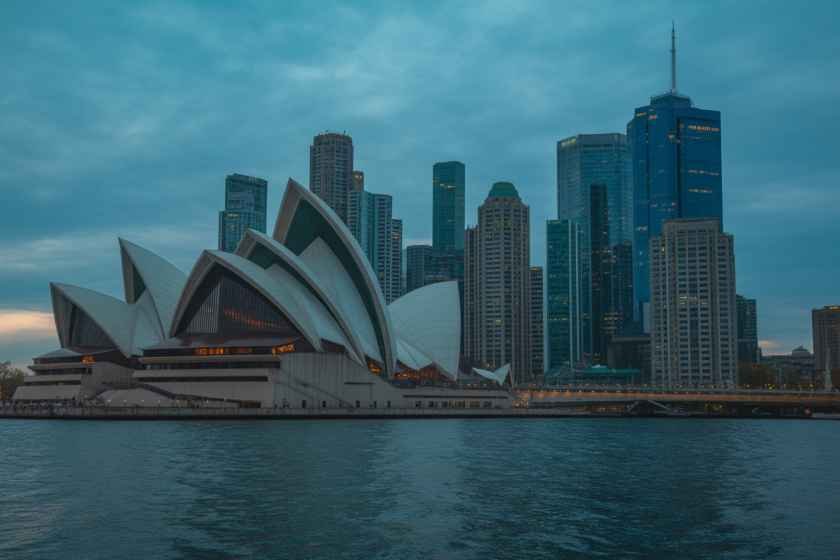
- Sydney: Known for its iconic landmarks like the Sydney Opera House and Bondi Beach, tourists flock to the city year-round. However, during the summer months, Sydney can experience heat waves that may make sightseeing and outdoor activities uncomfortable, especially for those unaccustomed to such high temperatures.
- Melbourne: Melbourne is famous for its cultural experiences, food scene, and beautiful gardens. However, the city is no stranger to scorching summer days, and tourists visiting during this time are encouraged to be mindful of heatstroke risks while walking around and enjoying the outdoor parks.
- The Outback: The remote, desert landscapes of Australia’s Outback are particularly vulnerable to extreme temperatures, with some areas reaching over 45°C (113°F). This presents a significant risk for tourists looking to explore the wilderness or participate in outdoor adventures like hiking, wildlife spotting, or camping.
- The Great Barrier Reef: While the reef is one of Australia’s most iconic tourist attractions, the surrounding tropical regions, particularly Queensland, experience high humidity and intense heat. Tourists should plan accordingly and be aware of the impact the heat may have on outdoor activities like snorkeling or diving.
How the Heat Wave Affects Local Tourism Businesses
The heat wave and associated health risks are not only a concern for travelers but also for local tourism businesses. Many hotels, restaurants, and outdoor activity operators are likely to see a decrease in bookings or a shift in customer behavior during extreme heat events.
For example, beachside resorts in coastal cities may see a higher demand for air-conditioned indoor activities, while outdoor excursions or hikes may be postponed or canceled in favor of more sheltered or indoor options. Popular tourist spots may also adjust their opening hours or limit outdoor tours during the hottest parts of the day to minimize health risks to visitors.
What Tourists Should Know Before They Travel
For Canadian travelers planning a visit to Australia, the new travel advisory serves as a reminder to take precautionary measures in response to extreme temperatures. To ensure a safe and enjoyable trip, travelers are advised to:
- Stay Hydrated: The heat can quickly lead to dehydration, especially for those unaccustomed to hot climates. Carrying water and drinking regularly is essential, particularly for those engaging in outdoor activities.
- Plan Outdoor Activities Wisely: Consider adjusting plans to avoid the peak heat of midday. Many attractions offer early morning or late afternoon tours, which are ideal for avoiding the hottest temperatures.
- Protect Yourself from the Sun: Sunscreen, hats, and lightweight, breathable clothing are essential for protecting the skin from harmful UV rays. Sunglasses and sunscreen with high SPF are also recommended for those spending time outdoors.
- Seek Air-Conditioned Environments: Air-conditioning is widely available in hotels, shopping centers, and public spaces, providing a much-needed respite from the heat. When possible, plan to spend time indoors during the hottest hours of the day.
- Stay Informed: Monitor local weather reports for updates on temperature trends, and be aware of any warnings or recommendations issued by local authorities regarding heat safety.
The Impact on Australian Tourism Going Forward
The recent travel advisory highlights the growing concern over extreme weather patterns in Australia, which could influence future tourism trends. As heatwaves and other climate-related challenges become more frequent, both tourists and local authorities will need to adapt to ensure that Australia remains an attractive destination for travelers, while also safeguarding public health.
The tourism sector in Australia will likely continue to adapt to these changing conditions, implementing strategies that prioritize traveler safety and promote more sustainable tourism practices. As the effects of climate change become more pronounced, the tourism industry’s ability to remain resilient will play a critical role in shaping the future of Australia as a key global destination.
The post Traveling to Australia? Find Out Why the New Heatwave Advisory Could Impact Your Plans appeared first on Travel And Tour World.