UK Lists With United States, Asia And Middle East In Strict Hand Luggage Rules, These Packing Mistakes Apart From Liquids Could Cost You Time at Airport Security
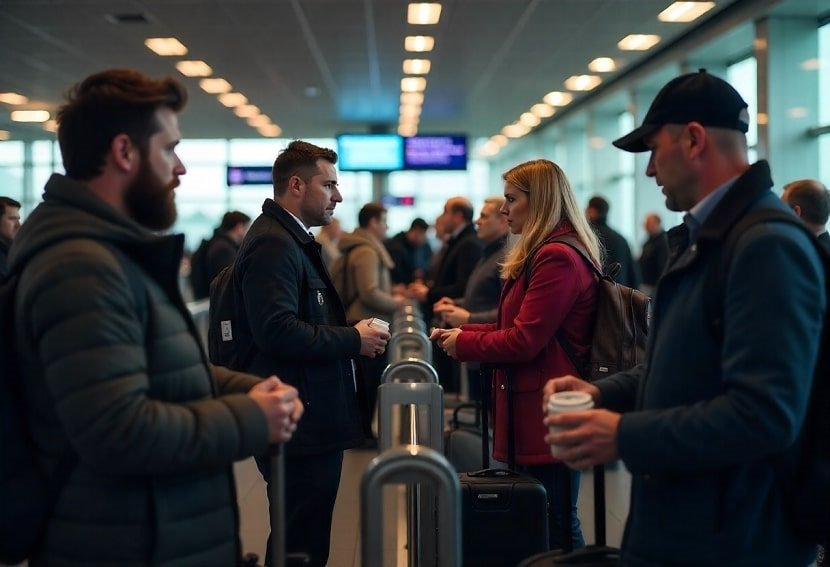

Travel is exciting—especially in summer—but packing your bag can sometimes cause unexpected headaches, especially if you’re only travelling with hand luggage. Most tourists and business travellers know the common liquid restrictions, like keeping liquids, gels, and creams under 100ml. However, UK airports such as Heathrow, Gatwick, Manchester, Birmingham, and Edinburgh enforce several other surprising security restrictions that go beyond liquids.
Before you zip up your carry-on, it’s wise to check official government guidelines provided by the UK Civil Aviation Authority (CAA) and GOV.UK. Unexpectedly, even simple items you might consider harmless can trigger security checks, causing frustration, delays, and inconvenience.
Surprising Food Items: Soft Cheeses and Spreads
According to official GOV.UK guidelines, soft cheeses—such as cream cheese, camembert, or spreadable cheese—fall under liquid restrictions. Although these aren’t liquid in the usual sense, their creamy texture classifies them similarly to gels and pastes, meaning they must follow the standard 100ml container rule. The same applies to jams, chutneys, sauces, honey, and even olives stored in oil.
Tourists returning to the UK from EU countries need to pay particular attention, as items like antipasti can unexpectedly breach regulations. It’s always advisable to place these tasty souvenirs safely in your checked baggage or purchase them duty-free once past security to avoid disappointment at the checkpoint.
Protein Powders and Supplements: An Unexpected Red Flag
Many travellers—particularly fitness enthusiasts—might pack protein powders without a second thought. However, airport security can be very cautious with powders. As powders can obscure the clarity of X-ray machines, security agents often request manual inspections. Such inspections can significantly extend the time you spend at security.
If you must travel with powders, such as protein supplements or nutritional drinks, the UK government and aviation authorities recommend packing them clearly labelled in your checked luggage. Alternatively, travellers should consider purchasing travel-sized sachets or sealed, pre-portioned packs to simplify the process.
Sharp Items: Are Scissors Really Allowed?
Interestingly, small scissors are generally permitted aboard aircraft in the UK, contrary to popular belief. According to CAA regulations, passengers are allowed to carry scissors with blades shorter than 6cm in length. If you enjoy crafts or embroidery during flights, this news can bring some relief. Larger scissors or other sharp objects, however, must always go in checked baggage.
Different airlines sometimes set stricter standards than general airport security regulations, so travellers are advised to verify directly with their airline before bringing small scissors onboard. Checking with your specific carrier is always recommended for hassle-free boarding.
Why These Rules Matter: Business Travel and Tourism Impact
These often-overlooked regulations affect tourists and business travellers alike. For frequent flyers and business travellers, unexpected security checks and itemconfiscations could mean missing important flights or meetings. Even a small oversight like packing cream cheese or protein powder in carry-on luggage can lead to significant delays.
Tourists visiting the UK might also face confusion and disappointment if cherished local products or souvenirs are confiscated at the airport. Knowing these rules can ensure smoother travel, enhancing your holiday experience by avoiding unnecessary stress at security checkpoints.
Quick and Essential Travel Tips:
To ensure a hassle-free airport experience, follow these quick guidelines:
- Double-check all foods and soft spreads before placing them in carry-on luggage.
- Avoid carrying protein powders or supplements in hand luggage; opt for small sachets if essential.
- Check blade lengths on small scissors and verify with your airline directly.
- Buy duty-free products after passing security for guaranteed airport approval.
Additional Tips and Information for Tourists:
If you’re travelling for leisure or business through major UK airports, here are some bonus tips to ensure smooth security checks:
- Arrive early, especially if you anticipate manual bag checks.
- Use clear, resealable bags for small liquid containers.
- Pack smartly, keeping restricted items in checked baggage.
- Always consult your airline and the UK Civil Aviation Authority website for updated travel rules.
Tourists should also consider local food and drink regulations when travelling internationally, as some countries impose additional restrictions beyond UK guidelines.
Airport Advice and Business Traveller Recommendations:
For business travellers in particular, preparing efficiently for airport security ensures you avoid unnecessary stress and potential delays. Many UK airports offer priority security services at additional cost, which can help travellers pass through security swiftly, avoiding queues and potential issues at checkpoints.
Airports with the Toughest Security Rules on Hand Luggage
1. UK Major Airports (Heathrow, Gatwick, Manchester, Stansted)
- These airports continue enforcing the classic 100 ml liquid rule—all liquid containers must be ≤ 100 ml in a single transparent bag about 20 × 20 cm. Despite plans to install new CT scanners, delays mean most major hubs are still under the old rules.
- Liquids, gels, pastes—including soft cheese, shampoo, lotions—are strictly restricted under these guidelines.
- Birmingham and Edinburgh airports have adopted advanced CT scanners, allowing approved passengers to carry up to 2 litres of liquids and keep electronics in bags during screening. But this is not yet standard across all UK airports.
2. United States (All TSA-Checked Airports)
- The Transportation Security Administration (TSA) enforces the 3‑1‑1 liquid rule: containers must be ≤ 100 ml (3.4 oz), all packed in one quart‑sized plastic bag per person.
- Powders, aerosols, sharp tools, flammables, certain batteries, and sporting or camping equipment face additional screening or outright bans. The TSA provides comprehensive listings of prohibited items for carry-ons.
3. Airports in Asian and Caribbean Countries Under Heightened Alert
- Some regions enforced outright bans on liquids in hand luggage following past terrorist threats. These include:
- Incheon Airport (South Korea)
- Taipei (Taiwan)
- Manila’s Ninoy Aquino Airport (Philippines)
- Grantley Adams International Airport (Barbados)
For US‑ or UK-bound flights, liquids were prohibited entirely in cabin bags—only baby formula or prescription meds allowed in some cases.
Airlines with Extremely Strict Carry‑On Size or Item Enforcement
Ryanair (Europe)
- Infamous for rigid cabin bag limits and charging extra fees for oversized luggage.
- Even if a bag physically fits, failure to pay for an overhead-luggage add‑on can lead to denied boarding and emotional confrontations, as widely reported in media.
easyJet (Europe)
- Enforces a small free under‑seat bag limit (45 × 36 × 20 cm / max 15 kg) unless you upgrade fare. Oversized carry-on bags are strictly flagged and may incur charges or rejection at boarding.
Jetstar, Iberia, Singapore Airlines, Qantas, Emirates
- These airlines enforce strict weight and dimension rules. For example, Jetstar caps combined carry-on and personal items at around 7 kg; Iberia limits combined weight to roughly 22 lb (~10 kg)
Why These Rules Matter for Travellers
These airports and airlines maintain tight hand-luggage restrictions to ensure security, reduce risk and manage space. Tourists, business travellers, and frequent flyers face delays, possible extra fees, or even denied boarding if unaware of the rules. It’s especially important if:
- You’re travelling with liquids above 100 ml or powders (e.g. protein, cosmetics).
- You plan to pack small sharp objects, flammable aerosols, or large electronics.
- You’re flying with a basic fare that restricts luggage size or hasn’t included overhead bin access.
Quick Comparison Table
| Location / Airline | Key Restrictions in Carry‑On |
|---|---|
| Heathrow, Gatwick, etc. | Strict 100 ml liquid rule, all liquids in one bag |
| Birmingham & Edinburgh | Up to 2 litres liquids allowed with CT scanners |
| U.S. (TSA airports) | 3‑1‑1 liquid rule + strict bans on powders and sharp items |
| Incheon, Manila, Taipei | Near-total liquid bans on US/UK‑bound flights |
| Ryanair, easyJet | Tiny size limits, strict enforcement, fees for oversize |
| Jetstar, Iberia, others | Weight caps and tight size limits |
Tips for Smooth Security Experience
- Always check your origin airport’s official website or government aviation authority for up-to-date liquid and item restrictions.
- Review your airline’s hand luggage allowance—measure your bag and know weight limits, especially for budget or no-frills fares.
- Keep all liquids in approved containers and bags (≤ 100 ml in clear resealable bag), or leave them in checked baggage.
- Pack powders or supplements in clear labelling—or better yet, in checked baggage if you expect detailed inspection.
- If travelling from or to airports with special bans (e.g. increased security alerts), stick to essentials and verified allowances only.
Ultimately, staying informed about these airport security guidelines guarantees smoother travel. Simple precautions like double-checking your carry-on luggage can save valuable time, making your airport experience easier, quicker, and stress-free. Remember, a hassle-free journey starts with smart packing—allowing you to focus less on airport rules and more on enjoying your trip.
The post UK Lists With United States, Asia And Middle East In Strict Hand Luggage Rules, These Packing Mistakes Apart From Liquids Could Cost You Time at Airport Security appeared first on Travel And Tour World.