US Gold Rush Ghost Town Bodie Transforms from Thriving Boomtown to Haunting Historic Landmark
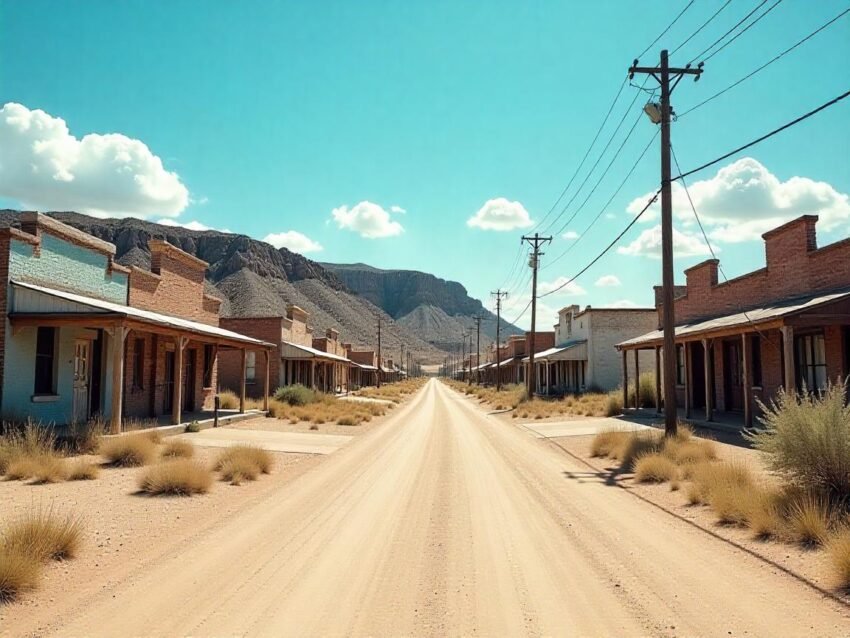

Bodie, once a bustling gold rush town in California, now stands as a captivating historic ghost town, offering a unique window into the past. From its rapid rise to prosperity in the late 1800s to its eventual abandonment, Bodie’s fascinating history tells the story of a community that flourished with the discovery of gold, only to be left behind as the gold dwindled and new opportunities beckoned. Today, it is preserved as a National Historic Monument, allowing visitors to explore its well-maintained buildings and artifacts, which serve as a haunting reminder of the boomtown era that once defined the American West.
Nestled in the Sierra Nevada mountains of California lies the eerily silent town of Bodie, once a thriving gold rush settlement that today stands as an abandoned relic of the past. This ghost town was once home to around 8,000 residents during its heyday, following the discovery of gold in the region in 1876. Now, Bodie exists as a National Historic Monument, drawing over 200,000 visitors annually, each eager to explore its fascinating, yet haunting history.
The story of Bodie began in 1859 when a group of prospectors, including W.S. Bodey, unearthed a rich deposit of gold in the remote area. Bodey, tragically, died in a blizzard the following year before he could witness the transformation of the mining camp into a full-fledged town. It was not until 1876 that the real gold rush began when a profitable vein of gold-bearing ore was discovered. This triggered an influx of miners and settlers into the area, quickly turning Bodie into a bustling Wild West boomtown. At its peak, it was said that Bodie boasted around 2,000 structures and a population of approximately 8,000 residents.
Bodie was located approximately 75 miles southeast of Lake Tahoe and 12 miles southeast of Bridgeport, perched at an elevation of 8,379 feet. Its geographic isolation, however, did not stop it from becoming one of California’s most notorious boomtowns. As the gold poured in, Bodie’s economy flourished, and it became home to a variety of establishments, from saloons to shops and even its own newspaper. Legend has it that by 1880, Bodie was one of the largest cities in California, although official census data disproves this myth. Regardless, Bodie’s mines produced gold and silver worth an estimated $85 million in today’s money, a staggering figure for the time.
However, like many other boomtowns of the era, Bodie’s prosperity was short-lived. As mining booms in other parts of the West, including Montana, Arizona, and Utah, attracted men seeking new fortunes, Bodie began to see a decline. The once bustling streets began to empty as many single miners packed up and left for greener pastures. As the influx of men slowed, Bodie transitioned into a more family-oriented community. The town saw the construction of several buildings, including the Methodist Church in 1882, which still stands today as one of Bodie’s few remaining structures.
By the early 1900s, Bodie’s mining operations had sharply dwindled. The gold reserves began to deplete, and by 1915, profits from mining had dropped significantly. In fact, in 1917, the Bodie Railway was abandoned, and the town’s iron tracks were removed. The decline continued into the 1920s, and by 1940, only 90 people were still living in Bodie. A decade later, the last residents had left, and the town was officially classified as a ghost town.
Despite its decline, Bodie’s historical significance did not go unnoticed. In 1962, the town was officially designated as Bodie State Historic Park, a title that helped preserve its crumbling buildings and artifacts for future generations. The Bodie Foundation, dedicated to the preservation of the town, has played an essential role in maintaining the site, ensuring that it remains one of the best-preserved ghost towns in the United States. Today, over 110 structures still stand, including remnants of the once-thriving gold mills, offering visitors a rare glimpse into a bygone era.
The town’s preservation is partly due to its status as a National Historic Landmark, which has helped to secure funding and resources for its upkeep. The dry, high-altitude climate has worked in favor of the preservation of the buildings, as the hot summers and snowy winters have preserved the structures in a unique way. Bodie is a rare example of a dry-summer subarctic climate, where temperatures can fluctuate from hot to freezing, and winter storms can dump heavy snow on the area. The wind can reach speeds of up to 100 miles per hour, further adding to the desolate and eerie atmosphere of the town.
Getting to Bodie requires a bit of effort, as it lies at the end of a narrow, three-mile dirt road off State Route 270. Visitors typically arrive via US 395 near Bridgeport, and the final stretch of the journey can be challenging, especially during winter months when heavy snowfall often forces the closure of access roads. However, for those who brave the elements and make the journey, Bodie offers an unforgettable experience.
Bodie is now a popular tourist attraction, drawing people from all over the world to witness its eerie beauty and to imagine what life must have been like during its brief period of prosperity. The town’s desolation is a stark reminder of the fleeting nature of boomtowns during the gold rush era, where fortunes could be made—and lost—almost overnight. The buildings, which have been carefully preserved, stand as silent witnesses to the past, telling the stories of those who lived and worked there. For history enthusiasts, adventurers, and photographers alike, Bodie is a hauntingly beautiful glimpse into the past that remains preserved for future generations to explore.
Bodie, once a thriving gold rush town in California, now stands as a captivating ghost town preserved as a historic monument. It offers a rare glimpse into the past, with its well-maintained buildings telling the story of its rapid rise and eventual abandonment.
As a National Historic Monument, Bodie has become a testament to the resilience of history. It serves not only as a tourist attraction but also as an educational resource for those wishing to learn about the history of California’s gold rush era and the fate of the towns it left behind. While the gold has long since been extracted, Bodie’s legacy remains alive in its preserved structures and the stories of those who once called it home. Today, it stands as a somber but fascinating reminder of the transient nature of prosperity in the Wild West.
The post US Gold Rush Ghost Town Bodie Transforms from Thriving Boomtown to Haunting Historic Landmark appeared first on Travel And Tour World.