Uttarakhand Unveils Ambitious Plan to Transform into a Leading Eco-Tourism Destination with Sustainable Practices and Adventure Tourism Development
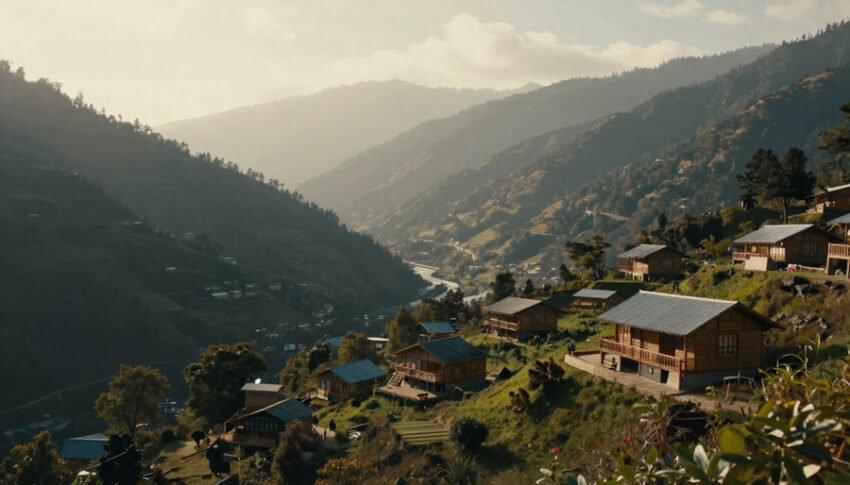

Uttarakhand, known for its awe-inspiring landscapes and biodiversity, is embarking on an ambitious journey to redefine its eco-tourism industry. In a meeting convened at the state secretariat on Monday, senior officials from the Forest Department and eco-tourism stakeholders gathered to outline strategies for maximizing the state’s eco-tourism potential. The initiatives discussed aim to balance tourism growth with environmental conservation, ensuring that the state’s natural resources remain protected while boosting economic opportunities for local communities.
Uttarakhand’s unique position as one of India’s greenest states, with vast forested areas, picturesque mountains, and thriving wildlife, makes it an ideal destination for eco-tourism. Recognizing this, the state government is now focusing on expanding eco-tourism through well-planned, sustainable strategies that will create a harmonious relationship between tourism and conservation.
A core component of the meeting was the identification and development of eco-tourism hotspots. These areas, with their distinct natural beauty and ecological importance, will be carefully nurtured to create immersive eco-tourism experiences. The government aims to provide travelers with opportunities to explore Uttarakhand’s forests, wildlife, and mountain trails, all while minimizing their environmental footprint. This initiative not only seeks to attract visitors but also to raise awareness about the importance of preserving the state’s delicate ecosystems.
In line with this, one of the most significant developments discussed was the need to introduce a formal policy for trekking and mountaineering. Trekking and adventure tourism are immensely popular in Uttarakhand, with the state being home to some of India’s most challenging and scenic trekking routes. However, as these activities continue to grow, so does the need for structured guidelines to ensure that they are carried out sustainably. The government has committed to finalizing a policy for trekking and mountaineering by mid-January, which will address key aspects such as safety, route management, and environmental protection.
Consultation with private stakeholders, including tour operators, trekking agencies, and adventure sports organizations, will be an integral part of the policy formulation process. This collaborative approach aims to create a practical and comprehensive policy that balances the interests of tourism operators and environmental conservationists.
In addition to regulating existing trekking routes, the government plans to open new trekking peaks to cater to the growing demand for adventure tourism. However, before any new trekking routes are made available to the public, environmental assessments and audits will be conducted to ensure that the activities do not harm local wildlife and ecosystems. The authorities are working swiftly to establish Standard Operating Procedures (SOPs) for these new trekking routes, which will provide a clear framework for the management and operation of the activities.
Another significant announcement was the planned renovation of Chaurasi Kutiya, a popular cultural and religious landmark in Uttarakhand. Chaurasi Kutiya attracts thousands of visitors each year, offering not only scenic views but also a rich historical and spiritual experience. The renovation will focus on enhancing visitor amenities while ensuring that the site’s cultural and ecological values are preserved. Clear timelines and targets have been set for the completion of the renovation to ensure that the work progresses efficiently and on schedule.
The success of the Jabarkhet eco-tourism model was also discussed at length during the meeting. The Jabarkhet model, which successfully integrates eco-tourism with wildlife conservation, has become a reference point for sustainable tourism practices in the state. The government plans to replicate this model at other identified eco-tourism sites, offering a sustainable approach to tourism that benefits both the environment and the local communities. This model includes responsible wildlife viewing, eco-friendly accommodations, and the involvement of local communities in managing tourism activities.
To drive the expansion of eco-tourism across Uttarakhand, Divisional Forest Officers (DFOs) have been tasked with developing detailed plans for the ten identified eco-tourism sites. These plans will outline specific strategies for tourism development while incorporating measures for ecological preservation. The DFOs are expected to submit their plans within a month, and these will be closely reviewed to ensure that they align with the state’s broader goals for sustainable tourism.
One of the most critical aspects of these efforts is the establishment of a solid management framework to oversee tourism activities within forested areas. A key part of this initiative is strengthening the Eco-Tourism Development Board, which will play a central role in the implementation of eco-tourism policies and practices. The board will be provided with additional resources, including increased manpower and budget allocations, to ensure that it can effectively manage eco-tourism sites and oversee the implementation of sustainable tourism strategies.
In addition, the government is focused on creating mechanisms to control the number of visitors to sensitive ecological zones, ensuring that the influx of tourists does not lead to overcrowding or environmental degradation. Sustainable tourism management will include limits on visitor numbers, guidelines for eco-friendly practices, and constant monitoring of the impact of tourism activities on local ecosystems.
These coordinated efforts position Uttarakhand to lead India’s eco-tourism movement by setting new benchmarks for sustainable tourism practices. By combining environmental conservation with economic development, the state is working to ensure that its natural beauty remains a treasure for generations to come. As these initiatives unfold, Uttarakhand is set to become a model for eco-tourism in India, offering travelers authentic, nature-centered experiences while promoting responsible tourism.
The post Uttarakhand Unveils Ambitious Plan to Transform into a Leading Eco-Tourism Destination with Sustainable Practices and Adventure Tourism Development appeared first on Travel And Tour World.