Year-Round Peak Travel in UAE Redefines GCC Tourism as Airports Stay Busy Beyond Seasons: All You Need to Know
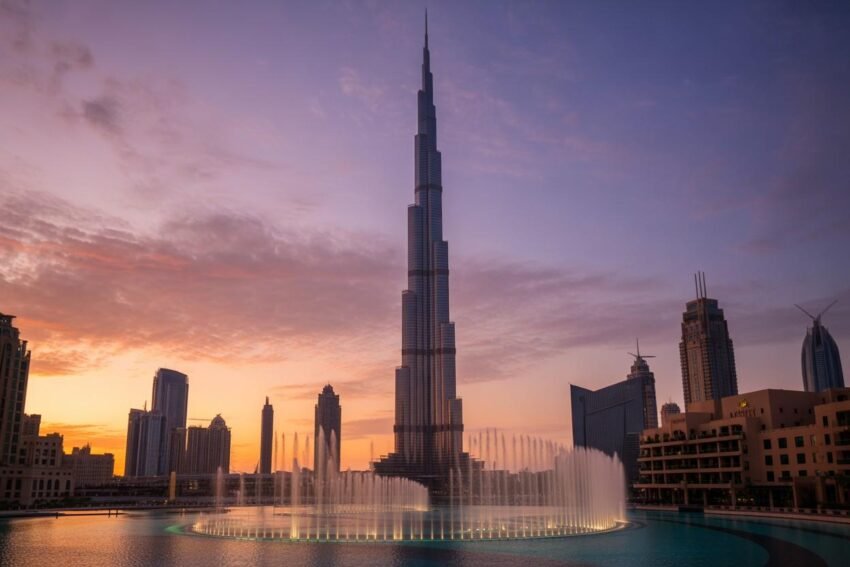

UAE aviation hubs like Dubai International now pulse with continuous activity, signaling a transformed GCC tourism landscape where peak demand spans most of the year. Regional analyses reveal over half of travel occurs from June to November, erasing traditional off-seasons and creating sustained high volumes across Saudi Arabia, Qatar, and beyond. This evolution impacts UAE tourism by normalizing fuller flights, dynamic pricing, and expanded airport usage, drawing global visitors to a perpetually vibrant region.
Six-Month Peak Reshapes Travel Norms
Travel patterns across six GCC markets concentrate fifty-six percent of activity between June and November, with July, August, and October emerging as top months. Only March shows consistent slowdowns, flipping conventional winter highs into extended summer surges. UAE residents experience this through persistent queues at Dubai and Abu Dhabi terminals, reflecting broader regional shifts.
This prolonged peak revolutionizes GCC tourism by stabilizing airline schedules and hotel occupancies year-round, reducing seasonal layoffs in hospitality. UAE tourism benefits from predictable revenues, funding infrastructure like expanded lounges. Visitors plan around constant vibrancy, boosting shoulder-month events from Dubai Shopping Festival extensions to Sharjah cultural fests.
Secondary Airports Gain Prominence
While Dubai International and Riyadh King Khalid dominate, secondary facilities now handle 32.4 percent of GCC travel, up year-over-year. Sharjah, Ras Al Khaimah, and Al Maktoum International in Dubai see rising international routes, alongside Dammam and Qatar Al Rayyan. Travelers opt for convenience, lower fares, or new directs to Europe and Asia.
Decentralization enhances UAE tourism accessibility, easing mega-hub congestion and spurring regional development. Sharjah tourism surges with budget carriers, while Ras Al Khaimah lures adventure seekers via quicker getaways. GCC tourism diversifies as smaller airports invest in premium services, attracting high-yield business traffic.
Premium Travelers Prioritize Efficiency
Frequent flyers bypass traditional hubs, with forty-seven percent of luxury journeys originating elsewhere amid rising Fast Track adoption, up one thousand ten percent annually. Services skipping security and immigration queues appeal to time-conscious executives shuttling between Dubai, Doha, and Riyadh. Pre-booked experiences minimize uncertainty in crowded terminals.
Efficiency focus elevates UAE tourism standards, positioning the region as a seamless transit leader for global nomads. Premium demand sustains lounge expansions and VIP suites, increasing per-passenger spends. GCC tourism matures toward service sophistication, rivaling Singapore or Zurich while retaining cultural warmth.
Airlines Adapt to Constant Demand
Carriers like Emirates, Etihad, and flydubai adjust networks for perpetual peaks, adding frequencies to India, Europe, and intra-GCC hops. Dynamic pricing reflects real-time loads, with July fares rivaling December highs. New routes from secondary fields link Fujairah to Oman or Jeddah feeders.
Adaptations propel Dubai tourism by ensuring capacity matches appetite, minimizing disruptions. UAE gains as a 24/7 gateway, funneling leisure to Abu Dhabi heritage sites and Ras Al Khaimah mountains. GCC tourism expands footprints, with Saudi‘s Vision 2030 airports capturing spillover.
Infrastructure Evolves for Permanence
Airports redesign for baseline crowds, investing in biometrics, wider concourses, and AI queue predictions over seasonal surges. Dubai International‘s expansions and Zayed International‘s lounges accommodate endless flows. Smart gates and lounges proliferate, blending tech with hospitality.
Permanent readiness transforms UAE tourism resilience, handling post-Expo booms without breakdowns. GCC facilities become global benchmarks, drawing MICE events year-round. Saudi Arabia tourism accelerates via NEOM and Red Sea gateways, synchronizing with UAE rhythms.
Regional Dominance Drives Synergies
UAE and Saudi Arabia comprise eighty percent of GCC movements, their hubs interconnecting via code-shares and high-speed rail plans. Qatar Airways and Air Arabia knit secondary links, easing Riyadh-Dubai hops. Bahrain and Oman feed larger networks.
Synergies amplify GCC tourism cohesion, creating seamless multi-stop journeys from Muscat markets to AlUla ruins. UAE tourism hubs amplify neighbors, boosting combined GDPs through aviation. Intra-regional ease attracts families splitting time across emirates and kingdoms.
Implications for UAE Travelers
UAE residents book earlier for June-November peaks, weighing secondary airports for savings. Fast Track investments yield stress-free transits, while apps forecast lines. Flexible tickets accommodate fluid demand.
Practical shifts optimize Dubai tourism for locals, turning commutes into perks via lounge access. UAE emerges as efficiency pioneer, retaining talent amid global mobility. GCC tourism personalizes via data-driven services, enhancing satisfaction scores.
Events Fuel Extended Seasons
Dubai Shopping Festival (December-January), F1 Grand Prix (December), and Art Dubai (March) anchor calendars, but summer concerts and Sharjah Light Festival (October) blur lines. Saudi‘s Riyadh Season (June-October) mirrors patterns.
Programming sustains UAE tourism highs, filling hotels during erstwhile lulls. Year-round festivals draw short-haul Europeans, extending beach seasons. GCC tourism leverages entertainment to counter heat, innovating indoor-outdoor hybrids.
Sustainability Meets Surging Volumes
Airports adopt green fuels, solar canopies, and electric shuttles to offset endless traffic. Dubai‘s sustainability roadmap targets net-zero by 2050 amid growth. Congestion management preserves appeal.
Eco-efforts safeguard UAE tourism longevity, assuring climate-aware millennials. GCC positions as green pioneer, blending luxury with responsibility. Saudi Arabia tourism aligns via regenerative projects, mutual uplift.
Global Connectivity Expands Horizons
Enhanced links to India (thousand plus weekly flights), Europe, and Asia cement UAE as crossroads. flyadeal and Air Arabia democratize access from secondaries.
Hub expansions propel Dubai tourism as lifestyle exporter, from wellness retreats to business forums. UAE captures transit tourism, with layovers fueling duty-free booms. GCC tourism globalizes, rivaling pre-pandemic peaks sustainably.
Year-Round UAE Tourism Triumph
UAE‘s perpetual peak cements GCC tourism supremacy, with Dubai orchestrating endless arrivals across diversified airports. Six-month surges demand agility, rewarding planners with seamless journeys. Saudi Arabia synergies promise archipelago dominance.
This era redefines travel as continuous celebration, impacting UAE tourism through elevated services and unyielding energy. Airports evolve from gates to experiences, ensuring the region’s shine endures.
The post Year-Round Peak Travel in UAE Redefines GCC Tourism as Airports Stay Busy Beyond Seasons: All You Need to Know appeared first on Travel And Tour World.