Australia Joins Other Destinations as Philippines Promotes Hidden Islands, Slow Food Tourism and Vibrant Festivals
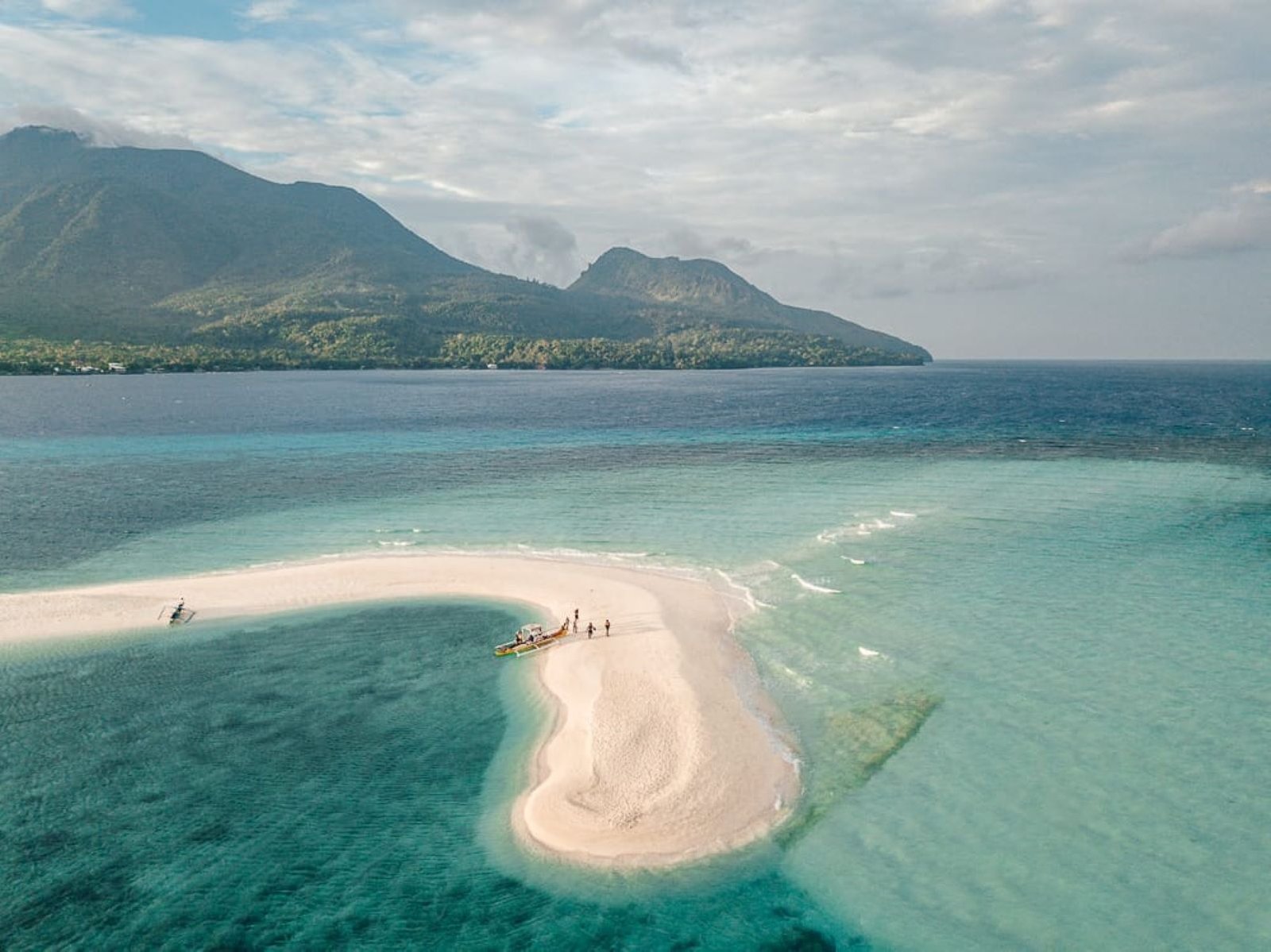


The Philippines is strengthening its international tourism appeal by promoting hidden islands, slow food, adventure experiences and vibrant festivals beyond Manila. Its diverse destinations offer opportunities for travellers from Australia, Canada, Taiwan and Singapore to discover coastal landscapes, volcanic attractions, traditional cuisine and colourful cultural celebrations. From Siquijor’s beaches and Camiguin’s volcanic scenery to Iloilo’s gastronomy and Bacolod’s sustainable food experiences, the country presents a varied holiday proposition. This approach supports global tourism diversification by encouraging visitors to explore regional destinations, experience local traditions and distribute travel spending across more communities.
Philippines Tourism Beyond Manila Offers New Regional Travel Experiences
The Philippines is an archipelago of more than 7,000 islands in Southeast Asia. Its tourism appeal extends from tropical beaches and coral reefs to rainforest landscapes, volcanic mountains and historic communities. Regional tourism offers visitors more ways to experience the country while helping smaller destinations attract international attention. The Department of Tourism’s official visitor information platform promotes activities such as diving, island hopping, hiking, surfing and cultural exploration. This variety makes the Philippines relevant to travellers seeking both relaxation and active holidays. It also creates opportunities for longer itineraries that combine several islands and provinces.
- Island hopping and coastal exploration.
- Nature-based and adventure tourism.
- Traditional Filipino food and regional cuisine.
- Cultural heritage and religious celebrations.
- Community-based experiences outside major cities.
| Tourism experience | Representative destinations |
|---|---|
| Island tourism | Siquijor, Siargao |
| Volcanic landscapes | Camiguin |
| Heritage and leisure | Clark, Pampanga |
| Gastronomy | Iloilo, Bacolod |
| Festivals | Cebu, Davao, Baguio |
Siquijor Tourism Brings Hidden Beaches and Marine Adventures into Focus
Siquijor offers a combination of coastal scenery, traditional culture and outdoor activities. Its beaches, waterfalls and marine environments create opportunities for travellers who prefer quieter island holidays. The island is particularly suitable for snorkelling, kayaking, trekking and exploring local communities. The Caticugan Marine Protected Area is among the locations associated with marine exploration. Visitors can also discover the island’s traditional healing heritage and natural attractions. Access is generally through ferry connections from neighbouring destinations, including Dumaguete and Bohol. This makes Siquijor a suitable addition to multi-island itineraries across the Central Visayas.
- White-sand beaches and coastal scenery.
- Waterfalls and inland nature exploration.
- Snorkelling and marine biodiversity.
- Kayaking and outdoor recreation.
- Traditional healing practices and cultural heritage.
| Travel feature | Visitor experience |
|---|---|
| Coastal attractions | Beach holidays and swimming |
| Caticugan | Marine exploration and snorkelling |
| Waterfalls | Nature visits and photography |
| Inland landscapes | Trekking and outdoor activities |
| Local heritage | Traditional culture and community experiences |
Camiguin Tourism Combines Volcanoes, Waterfalls and Natural Springs
Camiguin presents a different experience from the Philippines’ conventional beach destinations. The island is known for volcanic landscapes, mountain scenery, waterfalls and natural springs. Mount Hibok-Hibok is one of its prominent geological attractions and an active stratovolcano. The provincial tourism information also highlights Burias Shoal, which offers marine biodiversity and diving opportunities. Sto. Niño Cold Spring and the Soda Water Swimming Pool provide additional nature-based experiences. Camiguin’s combination of geological features and coastal attractions makes it appealing to travellers interested in hiking, diving and outdoor exploration. camiguin.gov.ph
- Mount Hibok-Hibok and volcanic landscapes.
- Burias Shoal and marine biodiversity.
- Sto. Niño Cold Spring.
- Soda Water Swimming Pool.
- Waterfalls and nature-based excursions.
| Attraction | Tourism appeal |
|---|---|
| Mount Hibok-Hibok | Volcanic hiking and mountain scenery |
| Burias Shoal | Diving and marine biodiversity |
| Sto. Niño Cold Spring | Freshwater recreation |
| Soda Water Swimming Pool | Unique natural swimming experience |
| Waterfalls | Nature exploration and photography |
Siargao Island Strengthens the Philippines’ Adventure Tourism Appeal
Siargao is internationally recognised for surfing, particularly at Cloud 9. The island also attracts visitors interested in island hopping, coastal activities and its distinctive local lifestyle. The Philippines’ official tourism guide identifies September to November as the peak surfing period, when Pacific swells create challenging conditions for experienced surfers. Other locations offer different levels of surfing, making the island relevant to a wider range of visitors. Travellers should consider tides, weather conditions, local guidance and reef safety before entering the water. Beyond surfing, Siargao’s beaches and neighbouring islands support longer leisure holidays.
- Surfing at Cloud 9.
- Beginner-friendly surfing experiences at suitable locations.
- Island hopping.
- Beach and coastal exploration.
- Local food and community experiences.
| Activity | Recommended period or location |
|---|---|
| Advanced surfing | Cloud 9 |
| Peak surfing season | September–November |
| Island hopping | Daku, Guyam and Naked islands |
| Beginner surfing | Suitable learner-friendly breaks |
| Coastal recreation | General Luna and surrounding areas |
Iloilo Gastronomy Tourism Gives Filipino Food International Recognition
Iloilo City offers a strong reason to explore the Philippines through food. UNESCO included the city in its Creative Cities Network under the Gastronomy category in 2023. Its culinary identity reflects local ingredients, traditional cooking methods, community celebrations and festive meals. UNESCO records more than 300 restaurants and approximately 4,600 people employed in the city’s gastronomy sector. The annual Timplada programme, launched in 2021, provides opportunities to showcase local dishes and culinary heritage through educational activities. Food tourism in Iloilo therefore connects dining experiences with cultural preservation and the city’s wider creative economy.
- UNESCO Creative City of Gastronomy recognition.
- Traditional Ilonggo cuisine.
- Local restaurants and food businesses.
- Timplada culinary activities.
- Fiesta traditions and community food celebrations.
| Gastronomy feature | Significance |
|---|---|
| UNESCO designation | International cultural recognition |
| Restaurant sector | More than 300 restaurants |
| Employment | Approximately 4,600 gastronomy workers |
| Timplada | Culinary heritage and educational activities |
| Fiesta culture | Traditional food and community gatherings |
Bacolod and Negros Occidental Develop Sustainable Food Tourism
Bacolod and Negros Occidental offer another important dimension of Philippine food tourism. Their connection with the Slow Food movement brings attention to traditional ingredients, local producers, agricultural biodiversity and sustainable food systems. Bacolod hosted the first Terra Madre Asia & Pacific gathering in November 2025. The event brought together more than 2,000 delegates from 20 countries, including food producers, farmers, cooks and sustainability advocates. This international gathering strengthened the region’s visibility in sustainable gastronomy. Carbin Reef in Negros Occidental also adds a coastal dimension to the experience, with traditional Filipino seafood dishes such as kinilaw.
- Discovering traditional Negros cuisine.
- Exploring sustainable food production.
- Supporting local farmers and food communities.
- Experiencing traditional seafood dishes.
- Visiting Carbin Reef and its coastal surroundings.
| Destination or initiative | Tourism connection |
|---|---|
| Bacolod | Sustainable gastronomy |
| Negros Occidental | Organic agriculture and local food |
| Terra Madre Asia & Pacific | International food and sustainability gathering |
| Carbin Reef | Coastal and marine tourism |
| Kinilaw | Traditional Filipino seafood cuisine |
Philippines Festivals Create Strong Reasons to Travel Throughout the Year
Cultural celebrations are an important part of the country’s tourism identity. The Tourism Promotions Board maintains an official calendar of Philippine festivals, including religious celebrations, harvest events and regional cultural programmes. Sinulog in Cebu is associated with devotion to the Santo Niño and features processions and street celebrations. Kadayawan in Davao highlights harvest traditions, indigenous communities and the region’s natural abundance. Panagbenga in Baguio celebrates flowers through displays, parades and public activities. These festivals provide opportunities for visitors to explore regional traditions while supporting accommodation providers, restaurants, transport businesses and local tourism operators.
- Experience Filipino religious traditions.
- Discover regional music and dance.
- Explore local harvest celebrations.
- Enjoy floral displays and cultural parades.
- Support provincial tourism businesses.
| Festival | Destination | Main theme |
|---|---|---|
| Sinulog | Cebu | Religious and cultural heritage |
| Kadayawan | Davao | Harvest and indigenous culture |
| Panagbenga | Baguio | Flowers and mountain culture |
Australia to the Philippines Travel Offers Strong Opportunities for Island and Adventure Tourism
Australia is an important international market for Philippine tourism. Its geographical position in the Asia-Pacific region provides a foundation for travel connections between the two countries. The Philippines’ range of island holidays, diving locations, surfing experiences and cultural attractions creates opportunities to appeal to Australian visitors seeking tropical holidays. Siargao can attract adventure-focused itineraries, while Siquijor and Camiguin offer nature-based experiences. Iloilo and Bacolod provide alternatives for travellers interested in food and heritage. Promoting destinations beyond Manila and established resort areas can help diversify Australian visitor itineraries across the archipelago.
- Island hopping and tropical beach holidays.
- Surfing and watersports in Siargao.
- Diving and marine exploration.
- Volcanic landscapes and nature excursions.
- Traditional cuisine and cultural festivals.
| Destination | Potential Australian travel interest |
|---|---|
| Siargao | Surfing and adventure |
| Siquijor | Beaches and marine activities |
| Camiguin | Volcanoes and nature |
| Iloilo | Gastronomy and heritage |
| Bacolod | Sustainable food tourism |
Canada to the Philippines Travel Connects Long-Haul Visitors with Diverse Holiday Experiences
The Canadian market provides opportunities for the Philippines to promote longer international holidays that combine several destinations. Travellers can explore the country’s beaches, natural attractions, food traditions and cultural celebrations through multi-stop itineraries. Siquijor and Camiguin offer quieter alternatives to established tourist centres, while Cebu provides access to religious heritage and regional island experiences. Iloilo and Bacolod can strengthen the culinary dimension of a Philippine holiday. For long-haul visitors, combining coastal relaxation with adventure and cultural activities creates a more varied travel experience. Regional destination promotion can also help distribute visitor spending beyond the main tourism gateways.
- Extended island-hopping holidays.
- Nature and adventure excursions.
- Marine biodiversity and diving experiences.
- Food-focused journeys through Iloilo and Bacolod.
- Cultural festivals and heritage exploration.
| Destination | Potential Canadian travel interest |
|---|---|
| Cebu | Religious and cultural tourism |
| Siquijor | Island relaxation |
| Camiguin | Nature and adventure |
| Iloilo | Culinary heritage |
| Davao | Harvest celebrations and local culture |
Taiwan to the Philippines Travel Benefits from Regional Island Tourism Opportunities
Taiwan is another relevant regional market for Philippine tourism promotion. The Philippines’ island geography, coastal activities and cultural attractions provide opportunities for varied short and extended holidays. Travellers can combine beach experiences with food tourism, outdoor recreation and local festivals. Siargao offers surfing and island activities, while Siquijor provides opportunities for marine exploration and quieter coastal holidays. Camiguin introduces volcanic landscapes and natural springs into the tourism mix. The Philippines can strengthen its appeal by presenting regional destinations as complementary experiences rather than treating each island as an isolated holiday location.
- Island hopping and beach holidays.
- Surfing and watersports.
- Snorkelling and diving.
- Traditional Filipino food experiences.
- Cultural and seasonal festival tourism.
| Destination | Potential Taiwanese travel interest |
|---|---|
| Siargao | Surfing and island hopping |
| Siquijor | Beaches and marine activities |
| Camiguin | Volcanic attractions |
| Cebu | Festivals and cultural heritage |
| Iloilo | Traditional cuisine |
Singapore to the Philippines Travel Supports Multi-Destination and Short-Holiday Tourism
Singapore offers an important regional market for Philippine destination promotion. The country’s varied island experiences can support different holiday durations, from shorter beach breaks to extended regional itineraries. Travellers can explore Cebu’s cultural attractions, Siargao’s surfing environment and the coastal scenery of Siquijor. Food tourism also provides an additional reason to explore destinations such as Iloilo and Bacolod. The Philippines can present these experiences through destination combinations that connect urban gateways with provincial attractions. Clear travel information, dependable transport connections and well-organised itineraries are important to making less familiar destinations accessible to international visitors.
- Short island holidays.
- Beach and marine activities.
- Adventure tourism and surfing.
- Regional food and gastronomy experiences.
- Cultural festivals and weekend travel.
| Destination | Potential Singaporean travel interest |
|---|---|
| Cebu | Cultural attractions and island connections |
| Siargao | Surfing and coastal recreation |
| Siquijor | Beach holidays |
| Iloilo | Gastronomy |
| Bacolod | Food and cultural tourism |
Philippines Tourism Source Markets and the Latest Available 2026 Arrival Information
The Philippines’ international tourism market includes visitors from established long-haul and regional destinations. The United States was identified as the leading source market in the Department of Tourism’s June 2026 reporting. The government reported 2,955,014 visitor arrivals between 1 January and 16 June 2026, including 591,569 visitors from the United States. This represented a 6.16% increase compared with the corresponding period in 2025. Australia, Canada, Taiwan and Singapore remain relevant markets for destination marketing, but a comparable official 2026 country-by-country arrival breakdown for all four should be obtained before publishing individual arrival figures.
- The United States led the reported 2026 inbound market.
- Australia is an important Asia-Pacific tourism market.
- Canada provides opportunities for longer-haul holidays.
- Taiwan and Singapore offer regional market opportunities.
- Destination diversification can encourage visitors to explore provincial locations.
| Market | Editorial tourism focus | 2026 data position |
|---|---|---|
| Australia | Islands, surfing and adventure | Country-specific figure not established in the cited June release |
| Canada | Long-haul holidays and nature | Country-specific figure not established in the cited June release |
| Taiwan | Island holidays and marine activities | Country-specific figure not established in the cited June release |
| Singapore | Short breaks and multi-destination holidays | Country-specific figure not established in the cited June release |
| United States | International inbound tourism | 591,569 visitors to 17 June 2026 |
How Regional Tourism Development Could Strengthen the Philippines’ Global Travel Competitiveness
The Philippines’ wider tourism offering creates opportunities to attract visitors beyond conventional beach holidays. Promoting hidden islands, slow food and vibrant festivals can encourage international travellers to explore multiple provinces during one trip. This approach can benefit smaller accommodation providers, restaurants, transport operators, farmers, fishing communities and local tour businesses. It can also support more balanced tourism development by spreading visitor activity across different destinations. For Australia, Canada, Taiwan and Singapore, destination-specific marketing can introduce lesser-known locations and experiences. Better regional connectivity, conservation and visitor services will remain important to converting destination interest into sustainable tourism growth.
- Greater visibility for lesser-known Philippine destinations.
- More opportunities for regional tourism businesses.
- Stronger international interest in Filipino gastronomy.
- Increased potential for cultural and festival tourism.
- More diverse itineraries for international visitors.
| Tourism development | Potential economic and travel impact |
|---|---|
| Hidden island promotion | Supports provincial accommodation and tour businesses |
| Adventure tourism | Creates demand for guides and outdoor activities |
| Slow food experiences | Benefits farmers, fishers and local restaurants |
| Cultural festivals | Supports hospitality and local transport |
| Regional destination marketing | Encourages wider distribution of visitor spending |
Conclusion
The Philippines is building a broader tourism identity through hidden islands, slow food, adventure experiences and vibrant festivals. Its attractions extend beyond Manila, offering international visitors opportunities to discover Siquijor, Camiguin, Siargao, Iloilo and Bacolod. Australia, Canada, Taiwan and Singapore represent important markets for promoting these regional experiences. The country’s combination of coastal landscapes, traditional cuisine, volcanic scenery and cultural celebrations provides a varied holiday proposition. By strengthening regional tourism, supporting local communities and protecting natural attractions, the Philippines can develop a more diverse and sustainable international travel offering for 2026–2027.
The post Australia Joins Other Destinations as Philippines Promotes Hidden Islands, Slow Food Tourism and Vibrant Festivals appeared first on Travel And Tour World.