Antarctic Ocean Protection Talks End Without Deal as Nations Target Breakthrough in 2027
Antarctic Ocean Protection Talks End Without Deal as Nations Target Breakthrough in 2027 
Antarctic Ocean Protection Talks End Without Deal as Nations Target Breakthrough in 2027, following two weeks of negotiations in Hobart, Australia. Governments failed to agree on new marine protected areas and stronger krill fishing controls. However, renewed diplomatic engagement has raised expectations of progress towards protecting Southern Ocean ecosystems.
Antarctic Conservation Talks End Without Major Agreement
International negotiations aimed at strengthening environmental protection across Antarctica’s Southern Ocean have ended without a major conservation agreement, extending a decade-long stalemate over marine protected areas.
The annual meeting of the Commission for the Conservation of Antarctic Marine Living Resources (CCAMLR), held in Hobart, Tasmania, brought together governments seeking to protect vulnerable marine ecosystems while improving the management of commercial krill fishing.
Despite extensive discussions, participating nations failed to reach consensus on establishing new marine protected areas or introducing revised measures to manage the krill fishery.
However, conservation organisations believe the latest negotiations have created an opportunity for progress in 2027.
Members have agreed to continue discussions between annual meetings, focusing on the proposed Antarctic Peninsula marine protected area and improvements to krill fishery management.
Ten Years Without a New Antarctic Marine Protected Area
The outcome marks the tenth consecutive year without the designation of a new marine protected area under CCAMLR.
The commission operates through consensus, meaning opposition from a single member can prevent a proposed conservation measure from being adopted.
This decision-making framework has repeatedly delayed proposals intended to protect important marine habitats.
Scientists and conservation advocates have identified the Antarctic Peninsula, East Antarctica and the Weddell Sea as priority regions requiring stronger protection.
These waters support significant populations of penguins, seals and whales, alongside krill populations that sustain the wider Antarctic food web.
In 2009, CCAMLR committed to establishing a representative network of marine protected areas across the Southern Ocean.
However, implementation remains incomplete.
Argentina and Chile Lead Antarctic Peninsula Protection Efforts
Argentina and Chile played prominent roles in advancing the proposed Domain 1 marine protected area around the Antarctic Peninsula.
Both countries worked with other delegations to strengthen diplomatic support and identify potential compromises.
China also introduced a new marine protected area proposal during the meeting, demonstrating continued engagement in Antarctic conservation discussions.
The proposed intersessional negotiations are expected to address outstanding disagreements before CCAMLR’s next annual meeting.
Conservation campaigners argue that stronger political engagement will be essential to securing an agreement.
José María Figueres, Chair of Antarctica2030 and former President of Costa Rica, stressed that scientific evidence and international cooperation must guide future decisions.
Former US Secretary of State John Kerry also highlighted the importance of diplomatic persistence, recalling the successful agreement establishing the Ross Sea marine protected area.
Krill Fishing Management Remains a Central Challenge
Improving the management of Antarctic krill fishing remains another major priority.
Krill are small crustaceans that form a critical part of the Southern Ocean ecosystem, providing food for whales, penguins, seals and seabirds.
Conservation groups are concerned that concentrated fishing activity could increase pressure on wildlife feeding grounds.
A revised management framework would seek to distribute fishing activity more carefully and reduce ecological risks.
Negotiators are therefore pursuing stronger krill management alongside the proposed Antarctic Peninsula marine protected area.
What the Deadlock Means for Antarctic Tourism
The negotiations also carry implications for Antarctica’s growing expedition cruise and adventure tourism industry.
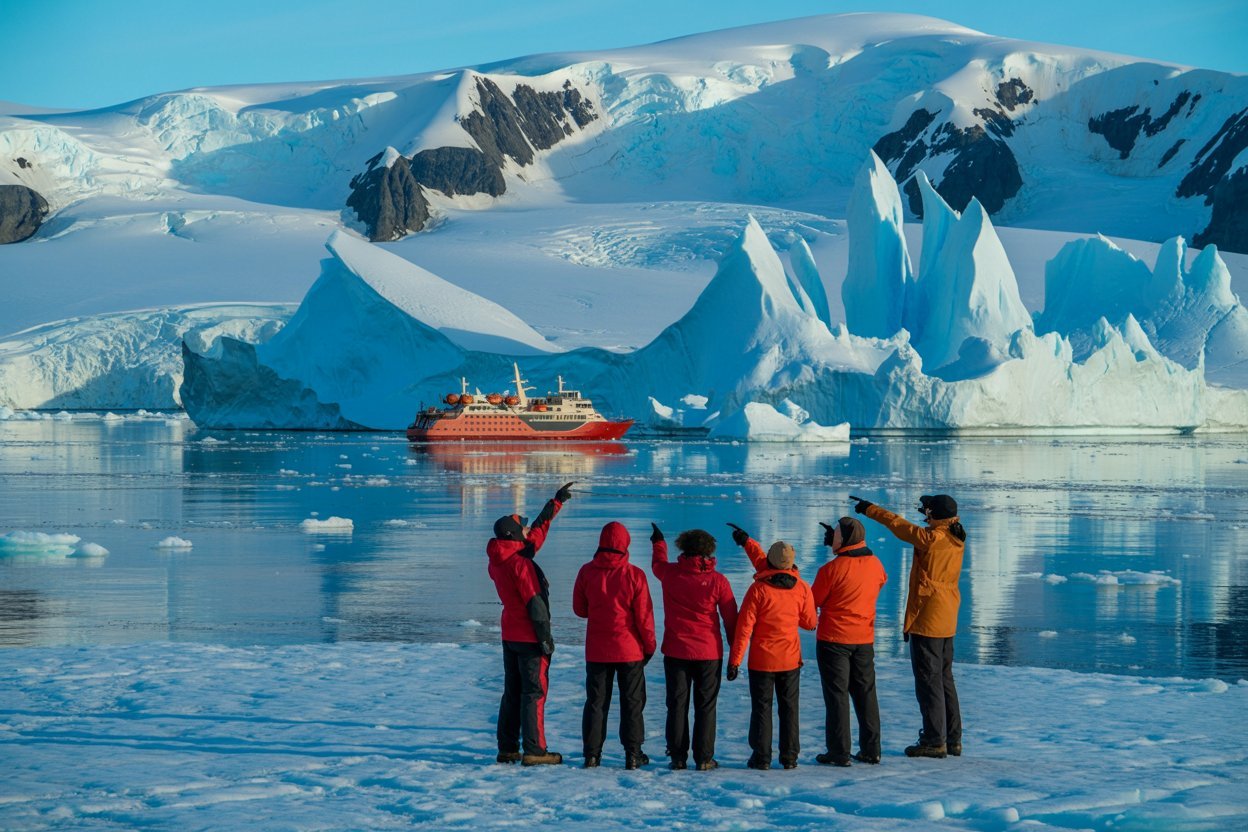
The Antarctic Peninsula is a major destination for expedition vessels, attracting travellers interested in wildlife observation, scientific exploration and remote landscapes.
Although the Hobart outcome does not introduce immediate new restrictions on tourism operations, stronger marine conservation could influence future destination management and environmental planning.
Cruise operators, expedition companies and tourism stakeholders have an interest in maintaining healthy marine ecosystems, particularly where wildlife encounters are central to the visitor experience.
Marine protected areas could strengthen long-term biodiversity conservation, although any direct implications for tourism would depend on the measures eventually adopted.
Global Ocean Protection Goals Increase Pressure for Action
The negotiations take place against the wider international commitment to protect at least 30 per cent of the world’s oceans by 2030.
Conservation advocates argue that the Southern Ocean must contribute substantially to achieving this target.
Proposed protected areas across Antarctica could safeguard millions of square kilometres of marine habitat.
With further negotiations planned before CCAMLR-46, governments face renewed pressure to turn diplomatic progress into binding conservation decisions.
The next meeting in 2027 will provide another opportunity to demonstrate whether international cooperation can overcome longstanding disagreements.
Antarctic conservation negotiations have once again ended without binding new protections, but diplomatic momentum offers renewed hope. Continued discussions on marine protected areas and krill fishing management could deliver progress in 2027. For the tourism industry, protecting Southern Ocean biodiversity remains essential to sustaining responsible Antarctic exploration and wildlife tourism.
The post Antarctic Ocean Protection Talks End Without Deal as Nations Target Breakthrough in 2027 appeared first on Travel And Tour World.