Greece And Others Celebrate Hydra Travel As Island Claims 2026 Top European Honour
Greece And Others Celebrate Hydra Travel As Island Claims 2026 Top European Honour 
Greece has strengthened its international holiday appeal after Hydra secured first place in the 2026 Readers’ Choice Awards, outperforming celebrated destinations in Italy, Spain, Portugal, France, Croatia and other European markets. Scoring an impressive 98.12, the small Saronic Gulf island has emerged as the continent’s highest-rated island in the annual reader-led ranking, placing renewed attention on its distinctive coastal character and traditional Mediterranean atmosphere.
The recognition highlights changing travel preferences as holidaymakers increasingly seek quieter destinations, authentic experiences and opportunities to escape overcrowded resorts. With no conventional road traffic, picturesque waterfront settlements, historic architecture and accessible connections from Athens, Hydra is attracting attention as a compelling destination for 2027.
Hydra Emerges As Europe’s Favourite Island In The 2026 Rankings
Hydra has secured the leading position in the 2026 Readers’ Choice Awards, receiving a remarkable score of 98.12 and establishing itself as the highest-rated European island in the latest ranking. The result places the Greek destination ahead of internationally recognised holiday locations, including Sardinia, Naxos, Sicily, Mallorca and Ibiza. Its victory represents an important recognition for an island that has developed its appeal through architectural preservation, maritime heritage, artistic connections and a distinctive approach to everyday mobility. Rather than competing through extensive resort infrastructure or large entertainment complexes, Hydra offers visitors an experience centred on its harbour, coastal landscapes, historic settlements and relaxed Mediterranean lifestyle.
The ranking also demonstrates the continuing strength of Greece as an international island holiday destination. Seven Greek islands entered the top 20, highlighting the country’s considerable appeal among travellers seeking coastal experiences and cultural discovery. Hydra’s first-place result is particularly significant because its identity differs from the familiar holiday image associated with large beach resorts and internationally recognised nightlife destinations. Its compact settlements, traditional houses and limited motorised transport create an atmosphere that appeals to visitors interested in slower holidays. The award provides additional international visibility ahead of 2027, when travellers planning Mediterranean itineraries may increasingly consider smaller destinations that offer distinctive experiences.
Why Hydra Is Attracting International Travel Attention
Hydra’s appeal is closely connected to its unusual combination of accessibility and tranquillity. The island does not have an airport, and conventional motor vehicles are largely prohibited, apart from a limited number used for essential services. Consequently, visitors encounter a destination where walking, water taxis and boat journeys remain important parts of everyday movement. This arrangement distinguishes Hydra from many popular Mediterranean holiday locations, where private vehicles, rental cars and extensive road networks shape the visitor experience. For travellers seeking an alternative to busy resort environments, the absence of ordinary traffic provides an immediate change of atmosphere from the moment they arrive at the harbour.
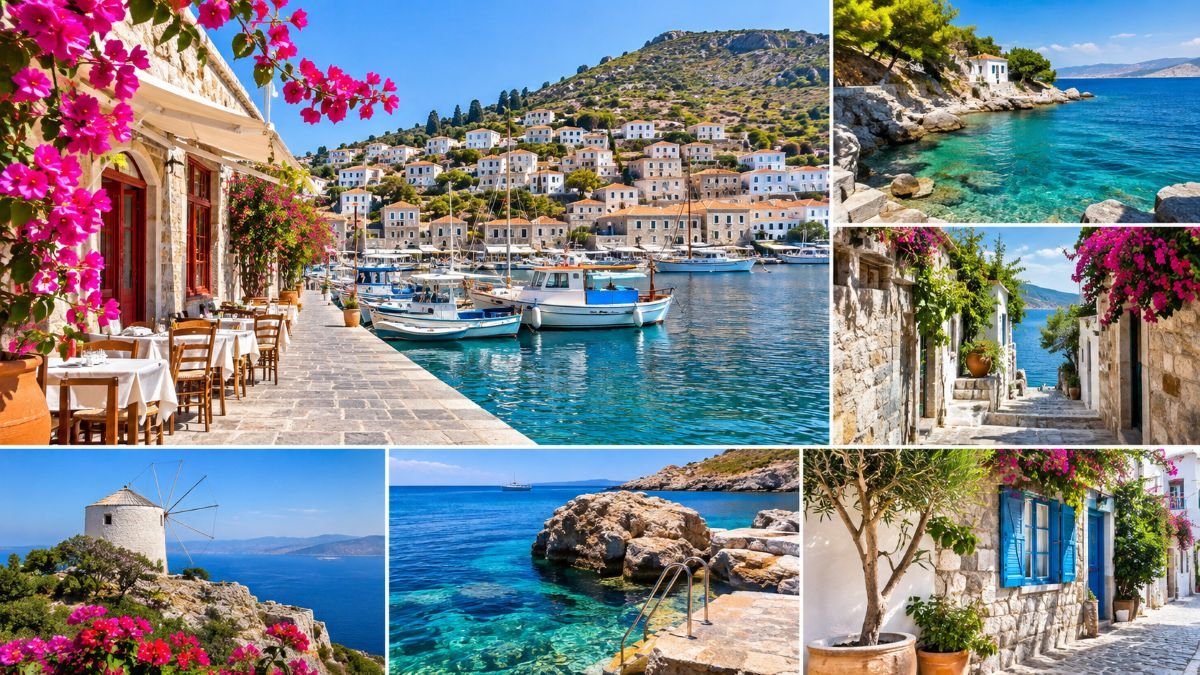
The island’s geography also contributes significantly to its popularity. Its coastline features rocky swimming locations, small coves, waterfront settlements and stretches of clear Aegean water. Visitors can explore the surroundings on foot, discover traditional villages or arrange boat transfers to less accessible coastal areas. Rather than offering endless sandy beaches, Hydra presents a varied landscape where swimming, coastal exploration and leisurely dining become central elements of a holiday. This combination makes the island particularly attractive to visitors who value scenery, cultural experiences and opportunities to spend time outdoors. Its relatively compact character also allows travellers to discover several attractions without organising complicated daily transport arrangements.
A Car-Free Island Offers A Different Mediterranean Experience
One of Hydra’s most recognisable characteristics is its limited dependence on motorised transportation. The island has maintained restrictions on conventional vehicles, preserving a settlement pattern in which pedestrians and boats remain central to movement. Visitors arriving by ferry encounter narrow streets, traditional stone buildings and a harbour surrounded by historic architecture. Donkeys and mules have also historically played a role in transporting goods, reflecting the island’s distinctive relationship with its terrain. Although essential service vehicles are permitted in limited circumstances, the absence of ordinary traffic remains an important part of Hydra’s identity and contributes to its reputation as a peaceful Mediterranean destination.
For international visitors, this environment changes the rhythm of a holiday. Exploring the island involves walking through winding streets, climbing stone steps and discovering viewpoints overlooking the sea. Waterfront restaurants and cafés provide opportunities for extended meals, while small swimming platforms and rocky coves encourage visitors to spend time close to the water. The experience is less focused on moving rapidly between major attractions and more concerned with enjoying individual locations. This approach is increasingly relevant to the wider travel industry, where travellers are showing interest in experiences that prioritise relaxation, local character and meaningful engagement with destinations rather than intensive sightseeing schedules.
Greece Strengthens Its Position In The European Island Holiday Market
Greece’s performance in the 2026 ranking reinforces its established position as one of the world’s most recognisable island holiday destinations. Seven locations from the country secured places among the 20 highest-rated European islands, demonstrating the diversity of its coastal tourism offering. Hydra achieved first place, while Naxos ranked third, Sifnos sixth, Paros ninth, Santorini sixteenth, Mykonos eighteenth and Crete twentieth. The results indicate that international visitors continue to appreciate different types of Greek island experiences, ranging from traditional settlements and quieter coastal environments to destinations associated with restaurants, nightlife and established resort infrastructure.
The performance also highlights the importance of geographical diversity within Greece’s tourism industry. Each island has its own identity, landscape and visitor profile, making the country particularly attractive to travellers planning multi-destination holidays. Hydra’s success adds another dimension to this appeal by demonstrating that a smaller island with limited conventional transport infrastructure can outperform destinations with greater international recognition. Its achievement may encourage visitors to explore beyond familiar holiday locations and consider places where heritage, architecture and everyday lifestyle form the principal attractions. For tourism businesses and local communities, increased interest could create opportunities for accommodation providers, restaurants, ferry operators and independent service businesses.
Italy And Sardinia Maintain Strong Competition In The Rankings
Italy continued to demonstrate its considerable influence in the European island holiday market, with Sardinia securing second place and Sicily reaching fifth. Sardinia received a score of 98.01, narrowly missing the leading position by just 0.11 points. The result indicates the continuing popularity of its coastal landscapes, established holiday infrastructure and distinctive regional culture. Sicily, with its combination of historic settlements, archaeological attractions, varied landscapes and celebrated food traditions, also maintained a strong position. Ischia ranked twelfth, adding another Italian destination to the top 20 and highlighting the diversity of the country’s island tourism portfolio.
Sardinia’s close second-place finish is particularly noteworthy because it demonstrates how competitive the latest ranking has become. Its beaches, coastal resorts and opportunities for outdoor exploration continue to attract international holidaymakers, while Sicily appeals to visitors interested in combining seaside experiences with cultural discovery. Ischia offers a different proposition through its thermal traditions, picturesque settlements and coastal scenery. Although Hydra achieved the highest score, the Italian destinations demonstrate that European island tourism is not defined by one particular holiday style. Travellers can choose between established resort experiences, heritage-focused itineraries and quieter locations depending on their interests, available time and preferred travel arrangements.
Spain Sees Mallorca, Menorca And Ibiza Retain International Appeal
Spain recorded a strong presence in the 2026 European island ranking, with four destinations appearing among the top 20. Menorca secured seventh place with a score of 95.00, followed by Ibiza in eighth place with 94.29 and Mallorca in tenth place with 93.71. The Canary Islands entered nineteenth position with a score of 88.16. These results demonstrate the continuing international popularity of Spanish island destinations, which offer a broad range of experiences covering beaches, nature, dining, nightlife, cultural attractions and established hospitality infrastructure. Their positions also illustrate the diversity of visitor expectations within the European holiday market.
Menorca’s relatively high position reflects its appeal to visitors interested in coastal scenery and a more relaxed holiday environment. Ibiza remains internationally recognised for its entertainment industry, although its beaches, villages and natural landscapes attract other categories of travellers. Mallorca offers an extensive combination of resorts, historic towns, mountain scenery and coastal attractions, while the Canary Islands provide a distinctive holiday proposition through their varied landscapes and year-round visitor appeal. Their continued inclusion in the ranking indicates that established destinations retain considerable popularity even as travellers increasingly investigate smaller islands. Spain’s performance also demonstrates how different island identities can contribute to a country’s wider tourism competitiveness.
Portugal And Madeira Attract Visitors Through Natural Landscapes
Portugal maintained a presence in the ranking through Madeira, which secured fourteenth place with a score of 91.26. The destination is recognised for its dramatic landscapes, mountainous terrain, coastal viewpoints and opportunities for outdoor recreation. Unlike islands whose international reputations are closely associated with nightlife or extensive sandy beaches, Madeira attracts visitors interested in walking routes, natural scenery, botanical attractions and distinctive local culture. Its inclusion reinforces the importance of nature-based tourism within the wider European island market, particularly among travellers who want to combine relaxation with outdoor activities and exploration.
Madeira’s position also illustrates the growing relevance of destinations that offer experiences beyond conventional beach holidays. Its dramatic cliffs, green landscapes and established walking trails provide opportunities for visitors to explore different environments throughout their stay. The island’s hospitality sector caters to travellers seeking both leisure and active experiences, making it suitable for different holiday styles. For 2027, its continued popularity may encourage more visitors to consider longer stays and itineraries that include nature, regional cuisine and cultural discovery. Its performance alongside Hydra and other leading destinations highlights the variety of experiences available across Europe’s island tourism market.
France And Corsica Demonstrate The Value Of Coastal Heritage
France secured two positions in the top 20, with Corsica ranking fourth with a score of 96.43 and Îles d’Hyères reaching seventeenth place with 89.04. Corsica’s strong performance places it among the highest-rated destinations in the entire ranking, reflecting its combination of Mediterranean beaches, mountainous interiors, traditional settlements and distinctive cultural identity. The island offers opportunities for visitors to experience coastal relaxation, hiking and historical exploration within a relatively compact geographical area. Its appeal is particularly relevant to travellers who want a varied holiday rather than a destination focused exclusively on beach resorts.
The Îles d’Hyères provide another perspective on France’s island tourism offering. Their natural environments, coastal landscapes and quieter atmosphere appeal to visitors interested in exploring less urbanised holiday locations. The two destinations demonstrate that France’s island appeal extends beyond internationally familiar mainland attractions and includes places where natural surroundings remain central to the visitor experience. Their inclusion also highlights the importance of protecting local landscapes and maintaining the distinctive character of island communities. As international interest in responsible travel develops, destinations with strong environmental and cultural identities may attract increasing attention from visitors planning future Mediterranean holidays.
Croatia And Malta Retain Their Place In The European Tourism Market
Croatia’s Hvar secured thirteenth position with a score of 91.43, reinforcing the country’s reputation as an attractive destination for coastal holidays. The island is known for its historic architecture, picturesque harbour, Mediterranean vegetation and opportunities for sailing and swimming. Its combination of cultural attractions and coastal leisure activities makes it appealing to visitors looking for more than a conventional resort experience. Hvar also benefits from its position within a wider island network, allowing travellers to consider boat excursions and multi-destination itineraries when planning holidays along the Adriatic coastline.
Malta entered the ranking at fifteenth position with a score of 90.29, offering a different type of island experience. Its historic architecture, archaeological heritage, coastal settlements and cultural influences create an appealing destination for visitors interested in combining sightseeing with seaside relaxation. The country’s compact geography makes it possible to explore several attractions within a relatively short holiday. Malta’s presence in the ranking highlights the continuing demand for destinations where history and contemporary hospitality operate within the same visitor environment. Together, Hvar and Malta demonstrate the importance of heritage, coastal accessibility and distinctive local character in maintaining international tourism interest.
The Faroe Islands Add A Different Dimension To Island Tourism
The Faroe Islands secured eleventh position with a score of 92.71, providing an interesting contrast to the Mediterranean destinations dominating the ranking. Their appeal is shaped by dramatic cliffs, rugged coastlines, remote settlements and distinctive natural environments. Unlike islands primarily associated with swimming and warm-weather holidays, the Faroe Islands attract visitors interested in landscapes, photography, hiking and outdoor exploration. Their inclusion demonstrates that the European island holiday market extends well beyond traditional Mediterranean experiences and includes destinations that appeal to travellers seeking dramatic scenery and opportunities to experience relatively remote environments.
The ranking position also highlights the increasing diversity of travel preferences. Some visitors prioritise warm weather, waterfront dining and accessible swimming locations, while others are attracted by challenging walking routes, wildlife observation and dramatic coastal geography. The Faroe Islands offer a distinctive alternative to established resort destinations, demonstrating that natural landscapes can become a significant driver of international interest. For travellers planning 2027 holidays, the destination represents a different approach to island exploration, particularly for those interested in outdoor activities and distinctive environmental experiences.
Hydra’s Historic Harbour And Maritime Heritage
Hydra’s historical identity is closely connected to its maritime past. The island played an important role in the Greek War of Independence, supported by its powerful maritime fleet and the influence of local seafaring families. Its strategic position and established shipping traditions contributed to its historical importance, while its harbour remains one of its most recognisable features. Visitors arriving by ferry encounter a waterfront environment dominated by traditional stone houses, historic buildings, fishing boats and yachts. The surrounding architecture reflects the island’s economic and cultural development, offering an opportunity to understand how maritime activity shaped its distinctive settlement pattern.
The Historical Archives Museum of Hydra, located near the harbour, provides visitors with an opportunity to explore aspects of the island’s past. Its collections and historical material help explain the relationship between the community, maritime trade and national history. Beyond formal museums, the island’s architecture also functions as an important cultural attraction. Traditional houses, narrow streets and historic waterfront buildings preserve a sense of continuity that contributes to Hydra’s appeal. For culturally interested visitors, exploring these locations provides an additional dimension to a holiday that might otherwise be focused on swimming, walking and coastal dining.
Leonard Cohen’s Artistic Connections Continue To Shape Hydra’s Identity
Hydra’s cultural reputation expanded significantly during the 1950s and 1960s, when the island became an attractive destination for international artists and writers. Among its most recognised former residents was Leonard Cohen, who purchased a house on the island in 1960 and spent several years there. His association with Hydra remains an important element of its cultural identity, attracting visitors interested in the relationship between artistic creativity and the island’s peaceful surroundings. The island’s relatively uncomplicated lifestyle and distinctive architecture helped establish an atmosphere that appealed to people seeking distance from the pressures of urban life.
The artistic community that developed during this period contributed to Hydra’s international reputation beyond its traditional maritime identity. Its harbour, narrow streets, whitewashed buildings and surrounding landscapes provided an environment that encouraged creative activity and cultural exchange. Today, the island’s literary and artistic associations form part of its wider tourism appeal. Visitors interested in cultural history can explore the locations associated with its creative past while experiencing the same coastal environment that attracted earlier generations of artists. This connection gives Hydra a distinctive identity that differs from destinations primarily promoted through entertainment and resort facilities.
Spilia, Kamini And Vlychos Offer Different Coastal Experiences
Hydra’s coastal attractions are spread across several locations, allowing visitors to experience different aspects of the island’s geography. According to the official Municipality of Hydra, Spilia, situated just outside Hydra Town, is among the best-known swimming locations. Rather than a conventional sandy beach, it features rocky platforms where visitors can enter the water and enjoy the clear Aegean Sea, a distinctive feature also highlighted by the Greek National Tourism Organisation. Its proximity to the main harbour makes it convenient for travellers who want to combine swimming with a day spent exploring the historic settlement. The location also demonstrates how Hydra’s coastal character differs from destinations whose tourism industries depend heavily on extensive sandy beaches.
Kamini and Vlychos offer further opportunities to explore the island’s traditional settlements and coastal surroundings. Both are accessible on foot from the main port, making them suitable for visitors interested in walking and discovering quieter areas. Their village environments provide a contrast to the activity around Hydra Town, while the surrounding waterfront locations offer opportunities to enjoy the sea. Travellers seeking more secluded swimming areas can consider water taxis and organised boat transfers, depending on local operating conditions. Exploring these different locations allows visitors to appreciate Hydra’s geographical variety without requiring conventional road transportation.
Ferry Connections Make Hydra Accessible From Athens
Despite its relatively quiet atmosphere, Hydra is not particularly difficult to reach. Ferries connect the island with Piraeus, the principal passenger port serving Athens, making it possible to combine an island holiday with a city break. Depending on the service and operating conditions, some journeys take approximately one hour and 30 minutes. The absence of an airport means ferry transportation remains central to the island’s visitor economy. For international travellers arriving in Athens, this connection offers a practical way to include Hydra in a wider Greek holiday without requiring a complicated domestic flight itinerary.
The ferry journey also contributes to the overall experience of visiting the island. Travellers move from the busy metropolitan environment of Athens towards a smaller coastal destination where everyday mobility follows a different rhythm. However, visitors planning their journeys should check current ferry schedules, seasonal frequency, departure arrangements and weather-related changes before travelling. Services can vary according to the time of year and operating conditions. Booking arrangements should also account for onward transport and accommodation requirements, particularly during the summer holiday season, when demand for popular island destinations can increase significantly.
Why Hydra Could Become A Strong Choice For 2027 Holidays
Hydra’s recognition arrives at a time when travellers are increasingly considering destinations that offer alternatives to highly developed resort environments. Its appeal is not based on the scale of its infrastructure but on the qualities that make the island distinctive. Limited vehicle access, traditional architecture, coastal walking routes, historic associations and clear swimming locations create a holiday experience centred on place and atmosphere. The 2026 award provides international recognition for these characteristics, potentially encouraging travellers to include Hydra in their plans for the following year. Its strong ranking also places it in a favourable position within the competitive Mediterranean tourism market.
For 2027, the island may particularly appeal to couples, cultural travellers, independent holidaymakers and visitors interested in slower itineraries. However, its popularity should not be confused with complete isolation. Hydra is already an established destination, and its small harbour can become busy during the peak summer months. Travellers seeking a quieter experience may prefer to investigate shoulder-season travel, when weather conditions, ferry availability and accommodation prices can differ from the busiest holiday period. Planning ahead will be important for visitors who want to experience the island’s traditional atmosphere while avoiding the busiest periods.
The Best European Islands According To The 2026 Readers’ Choice Awards
The 2026 ranking features 20 destinations, demonstrating the breadth of Europe’s island tourism market. Greece secured the largest number of positions, while Italy and Spain also performed strongly. The following table presents the complete ranking and the scores reported in the Readers’ Choice Awards.
| Rank | Island | Country Or Destination | Score |
|---|---|---|---|
| 1 | Hydra | Greece | 98.12 |
| 2 | Sardinia | Italy | 98.01 |
| 3 | Naxos | Greece | 97.14 |
| 4 | Corsica | France | 96.43 |
| 5 | Sicily | Italy | 96.19 |
| 6 | Sifnos | Greece | 95.71 |
| 7 | Menorca | Spain | 95.00 |
| 8 | Ibiza | Spain | 94.29 |
| 9 | Paros | Greece | 94.01 |
| 10 | Mallorca | Spain | 93.71 |
| 11 | Faroe Islands | Faroe Islands | 92.71 |
| 12 | Ischia | Italy | 92.29 |
| 13 | Hvar | Croatia | 91.43 |
| 14 | Madeira | Portugal | 91.26 |
| 15 | Malta | Malta | 90.29 |
| 16 | Santorini | Greece | 90.00 |
| 17 | Îles d’Hyères | France | 89.04 |
| 18 | Mykonos | Greece | 88.57 |
| 19 | Canary Islands | Spain | 88.16 |
| 20 | Crete | Greece | 87.81 |
The narrow difference between Hydra and Sardinia makes the leading positions particularly noteworthy. Hydra’s 98.12 score placed it just ahead of Sardinia’s 98.01, while Naxos secured third position with 97.14. Greece’s seven entries also demonstrate the strength of its island tourism portfolio. The ranking should be understood as a reflection of reader preferences rather than a universal assessment of every island’s facilities, environmental conditions or visitor experience. Nevertheless, it provides a useful indication of the destinations attracting considerable attention among participating readers.
What The Recognition Means For Greece’s Tourism Industry
Hydra’s victory could generate additional visibility for Greece’s smaller island destinations, particularly among international visitors who traditionally concentrate their holiday planning on familiar locations. Increased attention may benefit local accommodation providers, restaurants, ferry operators, independent guides and businesses offering boat excursions. However, the long-term value of tourism growth will depend on how effectively visitor demand is managed. Smaller islands have limited infrastructure and environmental capacity, making responsible planning particularly important during the busiest months. Maintaining architectural character, protecting coastal environments and supporting local communities will be essential if Hydra is to preserve the qualities that contribute to its international appeal.
The recognition also presents an opportunity to promote a broader understanding of Greek island tourism. Rather than relying exclusively on large resorts and established holiday centres, the country can attract visitors through destinations with distinctive cultural, historical and environmental identities. Hydra demonstrates how heritage preservation and limited motorised transport can become important elements of a destination’s appeal. Its achievement may encourage travellers to explore smaller settlements and less familiar coastal locations, potentially spreading tourism expenditure across a wider range of communities. Sustainable development and effective visitor management will remain central to ensuring that increased international interest creates lasting benefits.
Frequently Asked Questions About Hydra Travel
1. Why Has Hydra Been Voted The Best European Island In 2026?
Hydra secured first place in the 2026 Readers’ Choice Awards with a score of 98.12. Its traditional architecture, car-free environment, clear coastal waters, maritime heritage and relaxed atmosphere contributed to its appeal among readers.
2. Where Is Hydra Located?
Hydra is a Greek island situated in the Saronic Gulf, relatively close to the Peloponnese and Athens. Its geographical position makes it accessible for travellers planning an island holiday from the Greek capital.
3. How Can Travellers Reach Hydra?
Visitors can reach Hydra by ferry from Piraeus, the main passenger port serving Athens. Some services complete the journey in approximately one hour and 30 minutes, although travel times depend on the service selected.
4. Does Hydra Have An Airport?
No. Hydra does not have an airport. Travellers generally arrive by ferry after reaching Athens or another connected departure point.
5. Are Cars Allowed On Hydra?
Conventional motorised vehicles are largely prohibited on the island, apart from a limited number used for essential services. Walking and boat transportation are important ways of exploring the destination.
6. What Are The Best Places To Visit On Hydra?
Hydra Town, Spilia, Kamini and Vlychos are among the locations visitors can explore. The island also offers historic architecture, coastal walking routes, swimming locations and opportunities for boat excursions.
7. Is Hydra Suitable For A Quiet Holiday?
Yes. Its limited vehicle access, traditional settlements, walking routes and relaxed waterfront atmosphere make it attractive to travellers seeking a slower holiday. However, the main harbour can become busy during the summer season.
8. What Is Hydra Famous For Besides Its Beaches?
Hydra is recognised for its maritime heritage, role in the Greek War of Independence, traditional stone architecture and artistic connections. Leonard Cohen’s association with the island is also an important part of its cultural history.
9. Which Island Ranked Second In The 2026 European Readers’ Choice Awards?
Sardinia in Italy ranked second with a score of 98.01, narrowly behind Hydra’s leading score of 98.12.
10. Why Should Travellers Consider Hydra For 2027?
Hydra offers a distinctive combination of coastal scenery, cultural heritage, historic architecture and convenient ferry connections from Athens. Its recognition as Europe’s highest-ranked island in 2026 makes it an appealing consideration for travellers planning a Mediterranean holiday in 2027.
The post Greece And Others Celebrate Hydra Travel As Island Claims 2026 Top European Honour appeared first on Travel And Tour World.