Spain Leads Portugal and More Nations in Off-Season Tourism Surge with Better Flights, Cheaper Hotels and Events Across Southern Europe
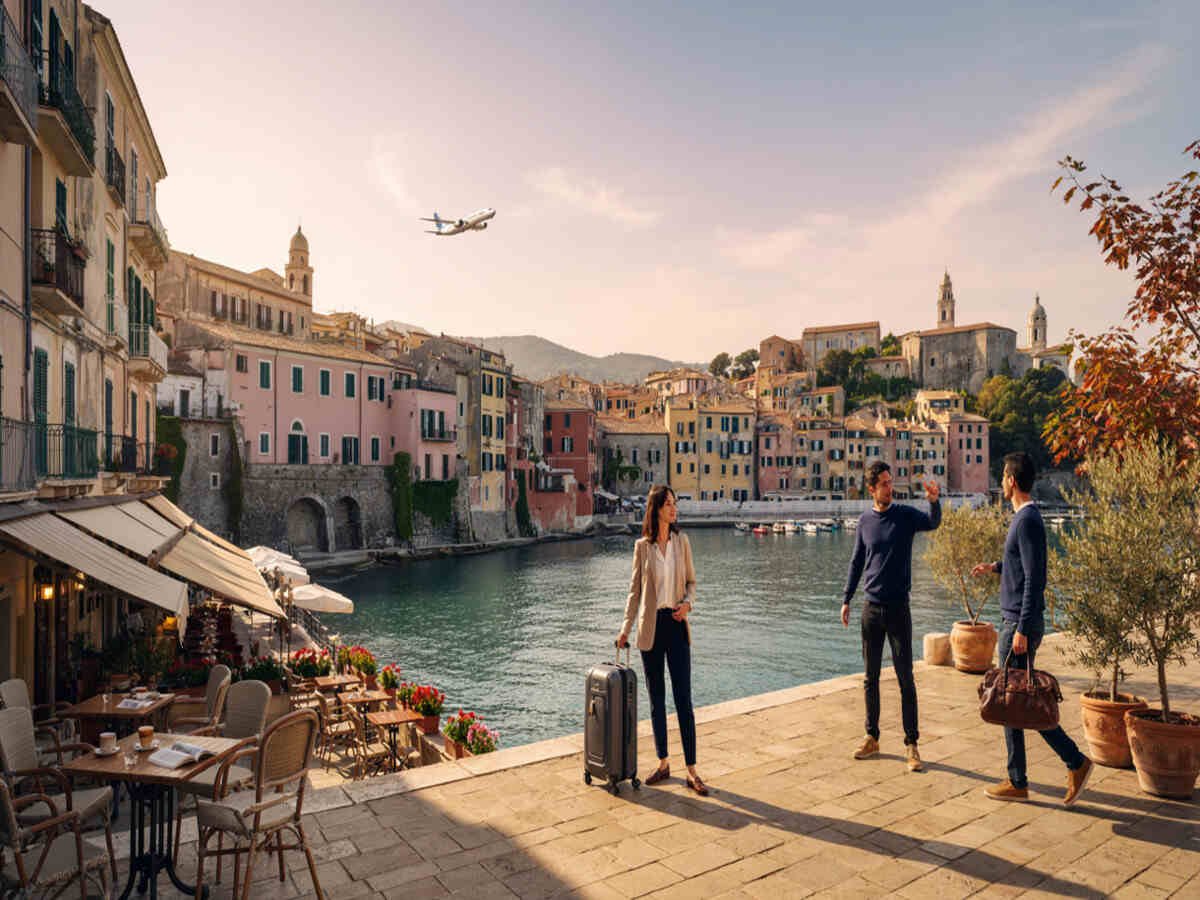

Spain is rising ahead of Portugal and other Mediterranean countries as low-cost flights, cheaper hotels, exciting events and good weather means Southern Europe is becoming a hot spot for off-season tourism. People now have even more reasons to visit Spain, Portugal, Italy, Greece and Croatia due to the busy summer months coming to an end. With 96.64 million airline seats booked to these countries during the last quarter of 2026, low season months are becoming an exciting new chapter for the region’s tourism industry.
Better flight links, cheaper hotel rooms, cultural events and demand for holidays outside the hottest months are helping destinations attract visitors beyond summer. Research presented at the Tourism Seasonality Summit 2026 shows Spain has the lowest summer dependence among the five markets studied. Portugal follows closely. Greece, however, is emerging as the standout market for late-2026 airline capacity growth. The change could help tourism businesses earn money for longer while spreading visitors more evenly through the year.
Spain Takes the Lead as Southern Europe Looks Beyond Summer
Summer still matters enormously to Mediterranean tourism. Yet the old idea that Southern Europe lives almost entirely from a few hot months is starting to change.
Research presented at the Tourism Seasonality Summit in Rimini examined Spain, Portugal, Italy, Greece and Croatia. It measured how much tourism activity remains concentrated between May and September.
Spain recorded the lowest Summer Dependence Rate, at 52.8%. Portugal followed at 54.5%, while Italy stood at 58.7%.
The regional average was 59.1%.
Greece remained much more dependent on summer, at 72.9%. Croatia recorded the highest figure, at 79.1%.
This gives Spain an important advantage. It already attracts a larger share of tourism activity beyond the traditional summer window than the other countries in the study.
What Do the Key Off-Season Tourism Numbers Show?
The numbers reveal just how different the five tourism markets remain.
| Destination | Key 2026 tourism indicator | What it shows |
| Spain | 52.8% summer dependence | Lowest among the five markets |
| Portugal | 54.5% summer dependence | Second-lowest summer reliance |
| Italy | 58.7% summer dependence | Close to the 59.1% regional average |
| Greece | 72.9% summer dependence | Still highly seasonal |
| Croatia | 79.1% summer dependence | Highest summer dependence |
| Five countries | 96.64 million Q4 airline seats | 4.6% more than Q4 2025 |
| Greece | Q4 seats +10.7% | Fastest capacity growth |
| Spain | Q4 seats +5.4% | Strong off-season connectivity growth |
| Italy | Q4 seats +4.2% | Continued late-year expansion |
| Portugal | Q4 seats −2.5% | Exception to the wider growth trend |
The airline figures refer to scheduled seats, rather than confirmed passenger arrivals.
Better Flights Could Make the Quiet Months Much Busier
Air connections can decide whether a destination can turn winter demand into real tourism business.
The research forecasts 96.64 million airline seats connecting the five countries between October and December 2026. That represents growth of 4.6% compared with the same period in 2025.
Greece delivers the biggest surprise.
Its scheduled capacity is expected to rise by 10.7%. Spain follows with 5.4% growth, while Italy is expected to increase by 4.2%.
Portugal moves in the opposite direction, with a projected 2.5% decline.
More seats do not automatically mean more tourists. However, stronger connectivity gives travellers more opportunities to take autumn and early-winter holidays.
That can help hotels, restaurants, shops and attractions remain active after summer ends.
Cheaper Hotels Could Turn Winter Into a Travel Bargain
Price creates another powerful reason to travel outside summer.
The summit research found sizeable differences between winter 2026 accommodation prices and summer 2026 levels
Average prices for three-star hotels were 24.6% lower, while four-star hotel rates were 22.4% lower. Five-star accommodation showed the biggest difference, with prices almost one-third lower.
That changes the value equation.
Travellers who cannot justify an expensive Mediterranean summer break may find an autumn or winter trip easier to afford. Visitors can also potentially move into a higher hotel category without paying peak-season prices.
The low season therefore does not have to mean weak tourism. It can attract a different traveller seeking value, culture and a quieter experience.
Cultural Events Are Turning Quiet Months Into Travel Seasons
Events are also helping rewrite Southern Europe’s tourism calendar.
Between 53% and 72% of events examined in the research already take place outside peak periods. More importantly, between 58% and 73% of total event attendance falls within the low season.
That gives destinations another way to attract visitors.
Festivals, food events, exhibitions and other cultural experiences can create a reason to travel even when beaches are no longer the main attraction.
The Tourism Seasonality Summit also reported wider evidence of changing behaviour. It cited research showing that 73% of Europeans planned to travel between October and March.
This suggests the demand already exists. Destinations now need flights, hotels and experiences available when those travellers want to arrive.
Pleasant Weather and Fewer Crowds Add to the Appeal
Southern Europe does not suddenly become unattractive when August ends.
Spain, Portugal, Italy, Greece and Croatia offer history, architecture, food, countryside, museums and city breaks. Many of these experiences work throughout the year.
Autumn can also give travellers a different Mediterranean holiday. Temperatures may feel more comfortable for sightseeing, while famous destinations can become easier to explore after peak crowds fall.
Recent reporting has found strong autumn demand in parts of Spain, Greece and Italy, as travellers increasingly look towards milder temperatures, lower prices and fewer crowds.
That creates an opportunity for destinations to sell something different from the traditional summer beach holiday.
Croatia Shows How Difficult the Challenge Remains
Croatia reveals why this transformation will take time.
Eurostat found that 54.5% of Croatia’s tourist accommodation nights in 2025 occurred in July and August alone. Greece recorded 41.6% during those same two months. Across the EU, the average was 31.1%.
The seasonal gap becomes even clearer when individual months are compared.
Croatia recorded 41.1 times more accommodation nights in August than January. Greece recorded 20.5 times more.
Croatia’s January, February, March, November and December together accounted for less than 5% of annual tourism nights in 2025.
This does not mean Croatia is failing. Its summer tourism industry remains extremely powerful. But it shows how difficult it can be to turn a successful summer destination into a year-round one.
Southern Europe Is Building a New Tourism Story
The bigger story is not about ending summer tourism. Summer will remain the engine of many Mediterranean destinations.
The opportunity is to make the rest of the year matter more.
The OECD warns that extreme seasonality can put heavy pressure on communities and infrastructure during peak periods while leaving tourism capacity underused at other times. It can also make destinations more vulnerable when economic benefits depend heavily on a short season.
Spain’s lower summer dependence shows what a more balanced tourism calendar can look like. Portugal and Italy are also relatively well positioned. Greece’s rapid late-year airline expansion offers another sign of change. Croatia demonstrates the size of the remaining challenge.
With 96.64 million scheduled seats, lower hotel prices and strong event activity, the final months of 2026 could strengthen this shift.
Southern Europe is proving that you can have a brilliant break out of season. Spain is leading the way, but Portugal, Italy, Greece and Croatia are also finding new ways to attract tourists. Improved flight connections, competitive hotel rates, cultural activities and pleasant weather are helping to give Southern Europe a boost with off-season tourism.
This also means that local businesses such as hotels, restaurants, shops and attractions will benefit. Whilst summer remains massively important, particularly in very seasonal markets like Croatia, distributing tourism throughout the year can provide tourists with more value and a sustainable future
The post Spain Leads Portugal and More Nations in Off-Season Tourism Surge with Better Flights, Cheaper Hotels and Events Across Southern Europe appeared first on Travel And Tour World.