United States Highlights Culbertson Lake as a Secluded Sierra Nevada Escape
United States Highlights Culbertson Lake as a Secluded Sierra Nevada Escape 
California is attracting renewed attention from outdoor travel enthusiasts as Culbertson Lake offers a quieter alternative to the busy recreational shores of Lake Tahoe. Travellers from Canada, the United Kingdom, Germany and Australia seeking peaceful mountain holidays can discover an appealing combination of alpine scenery, fishing opportunities, hiking routes and backcountry camping in this relatively undiscovered destination.
Located within Tahoe National Forest, Culbertson Lake provides an opportunity to experience the Sierra Nevada away from heavily visited tourist attractions. Its turquoise water, surrounding granite peaks and forested shoreline make it an attractive destination for visitors interested in nature-based recreation and quieter outdoor experiences.
Culbertson Lake Emerges As A Hidden Travel Attraction In California
California’s Sierra Nevada is internationally recognised for its spectacular mountain landscapes, freshwater lakes and extensive outdoor recreation opportunities. Lake Tahoe remains one of the region’s most prominent destinations, attracting millions of visitors annually. However, beyond its popular waterfront communities, the surrounding mountain landscape contains smaller alpine lakes that offer considerably quieter experiences.
Culbertson Lake is among these lesser-known destinations. Situated within Tahoe National Forest at approximately 6,447 feet above sea level, this 70-acre reservoir combines striking natural scenery with opportunities for hiking, fishing and camping. Its relatively remote position makes it particularly appealing to travellers who prefer less commercialised outdoor destinations.
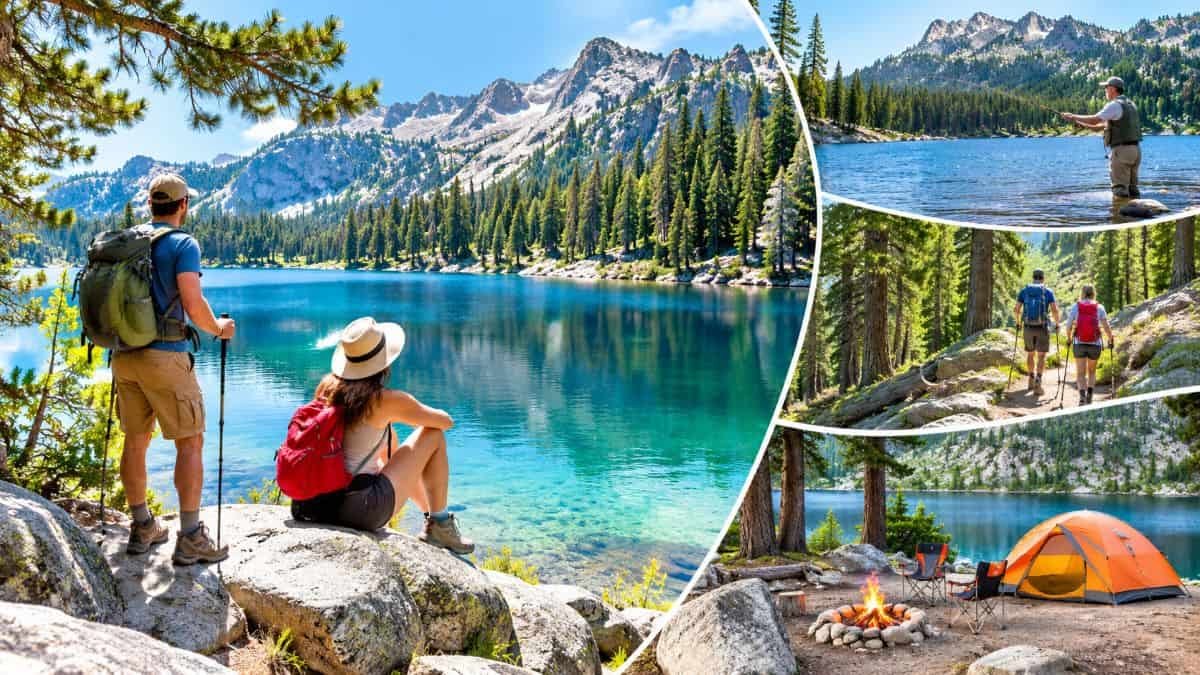
The lake’s turquoise appearance is one of its most distinctive characteristics. Sunlight reflecting across the water creates changing shades of blue and green, while rocky mountain slopes provide a dramatic natural backdrop. Pine trees surrounding sections of the shoreline add to the landscape, creating an atmosphere that differs considerably from developed lakeside holiday destinations.
Unlike Lake Tahoe, where visitors encounter extensive accommodation facilities, restaurants, marinas and commercial recreational services, Culbertson Lake offers a more traditional wilderness experience. Visitors should arrive prepared for limited facilities and independent outdoor activities. This difference is precisely what makes the destination attractive to backpackers and experienced nature enthusiasts.
Its position within the Grouse Ridge Non-Motorized Area also contributes to its relatively peaceful character. The surrounding landscape provides opportunities for exploring additional alpine lakes, walking through forested terrain and enjoying mountain views without the extensive development associated with major tourism centres.
Why Culbertson Lake Deserves Greater Attention From Outdoor Travellers
The growing interest in nature-based holidays has encouraged travellers to explore destinations beyond established tourist centres. Smaller mountain lakes, remote walking routes and wilderness camping locations increasingly appeal to visitors seeking privacy, scenery and opportunities to disconnect from busy urban environments.
Culbertson Lake reflects this travel preference. Its limited accessibility helps preserve a quieter atmosphere, although visitors should recognise that remoteness also requires additional preparation. There are no extensive commercial facilities immediately surrounding the lake, making advance planning essential for food, drinking water, camping equipment and emergency supplies.
The destination is particularly suitable for travellers interested in combining physical activity with relaxation. Visitors can spend the day walking between alpine lakes, observing the surrounding landscape or fishing before returning to a quiet campsite. Those undertaking longer journeys can also use the area as a starting point for exploring other parts of Grouse Ridge.
Another important attraction is the absence of conventional resort development around the shoreline. Rather than spending time in a commercial entertainment district, visitors can enjoy natural surroundings and experience the changing atmosphere of the Sierra Nevada throughout the day.
However, Culbertson Lake should not be presented as an effortless holiday destination. Reaching it involves driving along an unpaved service road and completing a mountain hike. These requirements make it more appropriate for visitors with reasonable outdoor experience and suitable equipment than for travellers expecting immediate roadside access.
Where Culbertson Lake Is Located And What Makes Its Landscape Special
Culbertson Lake lies within Tahoe National Forest in the Sierra Nevada mountain region of California. Its elevation of approximately 6,447 feet places it within a high-country environment characterised by rocky terrain, coniferous forests and seasonal changes in vegetation.
The lake covers approximately 70 acres and functions as a holding reservoir. Its landscape combines exposed granite formations, forested sections and open water, creating several attractive viewpoints along the shoreline. The surrounding mountains contribute to the sense of isolation that distinguishes this location from more accessible recreational lakes.
The shoreline is predominantly rocky, although visitors can find softer ground beneath sections of the pine forest. These areas provide potential locations for resting and pitching tents where permitted. Visitors should always select established camping locations and avoid damaging vegetation or disturbing sensitive natural habitats.
The surrounding environment changes significantly throughout the year. During the warmer months, mountain vegetation becomes greener, hiking routes become more accessible and the lake attracts outdoor enthusiasts. In colder periods, snow and challenging weather conditions can affect road access, trail conditions and camping opportunities.
For photographers, the landscape offers opportunities to capture reflections, mountain silhouettes and changing light conditions. Early mornings and late afternoons can provide particularly attractive scenery, although weather and visibility vary. Visitors should remember that environmental conditions in mountainous areas can change rapidly, even during summer.
International Travel Interest In California’s Lesser-Known Mountain Destinations
California’s outdoor attractions have international appeal because they combine accessible transport infrastructure with diverse natural landscapes. While Lake Tahoe remains a recognised destination, smaller locations such as Culbertson Lake provide additional opportunities for travellers seeking less familiar experiences.
Canada
Canadian travellers can find considerable appeal in California’s mountain landscapes, particularly those interested in hiking, fishing and wilderness camping. Culbertson Lake offers an opportunity to experience a different high-country environment while exploring the wider Sierra Nevada region.
For visitors travelling from Canada, the destination could become part of a longer California itinerary incorporating mountain recreation, scenic driving and established lakeside communities. However, the remote trailhead requires careful preparation, especially for travellers unfamiliar with the local road conditions.
United Kingdom
Travellers from the United Kingdom seeking outdoor experiences in California may appreciate Culbertson Lake’s combination of alpine scenery and relatively quiet surroundings. Its hiking opportunities and dispersed camping environment provide an alternative to conventional sightseeing itineraries.
Visitors should understand that American wilderness recreation often involves longer distances between facilities and fewer services than developed holiday areas. Carrying sufficient water, food, navigation equipment and appropriate clothing is therefore important when planning a visit.
Germany
Germany has a strong outdoor recreation culture, making California’s mountain landscapes an interesting proposition for visitors interested in walking, fishing and nature-based holidays. Culbertson Lake offers a setting where travellers can combine moderate hiking with opportunities to experience a relatively undeveloped alpine environment.
For German visitors, the lake could complement a wider journey through California’s national forest landscapes. However, international travellers should check seasonal road conditions and understand local camping and fishing regulations before travelling into the remote Grouse Ridge area.
Australia
Australian travellers exploring California can add Culbertson Lake to an itinerary focused on outdoor adventure and mountain scenery. The destination offers a different landscape from Australia’s coastal recreation areas, with granite peaks, pine forests and a high-elevation freshwater reservoir.
Visitors arriving from Australia should consider the physical demands of the journey, particularly the altitude and uneven mountain trails. Allowing sufficient time for acclimatisation, carrying appropriate equipment and checking local conditions can help make the experience more comfortable and responsible.
Hiking To Culbertson Lake Through The Grouse Ridge Wilderness
Hiking is the principal way to reach Culbertson Lake, making the journey an important part of the overall visitor experience. The commonly used route begins at Lindsey Lake Trailhead, near Lindsey Campground, within the wider Grouse Ridge recreational area.
The trail provides access to a landscape that includes several smaller alpine lakes before reaching Culbertson. Visitors pass Upper Lindsey Lake and Middle Lindsey Lake, both of which contribute to the scenic character of the route. Granite formations, forested surroundings and open mountain views create an appealing environment for hikers.
A relatively direct route is approximately 3.5 miles round trip and is generally classified as moderate. The actual distance can increase when visitors take additional paths or make detours to explore nearby lakes. Hikers should therefore avoid relying exclusively on the shortest published route when estimating their time and energy requirements.
Although the distance may appear manageable, mountain hiking involves challenges that are not always reflected in mileage. Uneven rocks, changing elevations, exposed sections and variable weather can affect walking speed. Visitors unfamiliar with high-altitude environments should allow sufficient time and avoid underestimating the physical demands.
The route’s intermediate lakes also provide opportunities to pause and enjoy the landscape. Rather than treating the hike simply as a means of reaching Culbertson Lake, visitors can appreciate the surrounding scenery along the way. Carrying drinking water, appropriate footwear and a reliable navigation device is advisable.
Driving Directions And Accessibility For Visitors
Reaching the trailhead requires more preparation than travelling to established lakeside attractions. Lindsey Lake Trailhead is accessible through a network of forest roads, including several miles of unpaved service road. These roads may be rough, making a high-clearance vehicle preferable.
Travellers should check road conditions before departure, particularly following rainfall, snowfall or periods of severe weather. Road surfaces can deteriorate, and conditions may vary considerably between seasons. Drivers should avoid assuming that routes shown on navigation applications are suitable for every vehicle.
From Tahoe City, the trailhead area is approximately an hour and 15 minutes away by car, depending on the route and driving conditions. Reno-Tahoe International Airport is approximately an hour and a half away by road, making it a potential arrival point for visitors travelling from outside California.
However, these estimated journey times should be treated as general planning guidance rather than guaranteed travel durations. Unpaved sections, road maintenance, seasonal closures and traffic can affect the overall journey.
International visitors should consider arranging suitable transport before planning the hike. Standard rental vehicles may not always be appropriate for rough forest roads, and rental agreements may contain restrictions on driving on unpaved routes. Checking vehicle conditions and rental policies in advance can prevent unnecessary difficulties.
Free Camping Adds To Culbertson Lake’s Outdoor Appeal
Camping is one of the most attractive aspects of a visit to Culbertson Lake. The surrounding landscape provides three dispersed camping locations, offering visitors the opportunity to stay close to the water and experience the mountain environment beyond a short daytime visit.
The campsites are described as first-come, first-served, meaning visitors cannot necessarily expect a particular location to be available when they arrive. Although the camping opportunity is free according to the available destination information, travellers should verify current arrangements and any applicable restrictions before setting out.
Dispersed camping requires greater independence than staying at an established campground. Visitors should bring appropriate tents, sleeping equipment, food storage supplies, lighting and sufficient drinking water. They should also understand how to manage waste and minimise their environmental impact.
Camping near an alpine lake can provide a memorable experience, particularly for travellers interested in photography, stargazing and peaceful surroundings. However, visitors should avoid assuming that the presence of potential camping locations means all areas around the shoreline are suitable for pitching tents.
Responsible camping practices are essential in this environment. Campers should use established sites, avoid damaging trees and vegetation, store food securely and follow current fire restrictions. Leaving rubbish behind can damage wildlife habitats and undermine the natural qualities that make remote destinations attractive.
Fishing Opportunities At Culbertson Lake
Fishing represents another important attraction for visitors travelling to Culbertson Lake. The reservoir is associated with stocked rainbow trout and brook trout, offering opportunities for recreational anglers interested in freshwater fishing in a mountain setting.
The combination of relatively quiet surroundings and accessible shoreline areas makes the lake attractive for anglers seeking a less crowded experience. Visitors can enjoy fishing while taking in views of the surrounding granite formations and forested mountain slopes.
Fly-fishing enthusiasts may find sinking lines and weighted streamers useful techniques to investigate for this type of water environment. However, fishing conditions can vary depending on water temperature, seasonal changes, fish activity and local conditions.
The presence of trout distinguishes Culbertson Lake from certain other lakes in the surrounding region where fish populations have been affected by conservation programmes. Some mountain lakes have undergone trout removal initiatives intended to protect vulnerable amphibian populations, particularly endangered frog species.
Visitors should not assume that fishing regulations are identical across every lake in Tahoe National Forest. A valid California fishing licence may be required, while applicable seasons, catch limits, bait restrictions and other rules must be checked before fishing.
Anglers should also practise responsible fish handling and avoid introducing non-native species into connected waterways. Respecting local conservation requirements helps maintain the ecological balance of the region while supporting sustainable recreational fishing.
Exploring Upper And Lower Rock Lakes And Penner Lake
Culbertson Lake is not the only attraction within the Grouse Ridge region. Its surrounding mountain landscape provides access to several additional alpine lakes, allowing visitors to extend their outdoor itinerary beyond the main destination.
Upper Rock Lake and Lower Rock Lake are among the nearby natural attractions that can interest hikers exploring the wider area. These lakes provide additional opportunities to experience the granite formations, forested terrain and high-country scenery characteristic of the Sierra Nevada.
Penner Lake is another notable destination in the surrounding landscape. The ridge above Penner Lake provides elevated viewpoints from which visitors can observe the surrounding mountain environment, including views towards Culbertson Lake.
However, reaching these viewpoints can involve more demanding hiking conditions. Rocky surfaces, uphill sections and uneven terrain require suitable footwear, physical preparation and reliable navigation. Visitors should assess their experience before attempting longer or more challenging routes.
Exploring several lakes can transform a short outing into a more extensive mountain adventure. Nevertheless, hikers should plan realistic distances, monitor changing weather and carry enough supplies for the entire journey. Returning before darkness is particularly important when navigating unfamiliar mountain trails.
Best Time To Visit Culbertson Lake
The warmer months generally offer the most suitable conditions for exploring Culbertson Lake. June through September is identified as a particularly attractive period for experiencing the high-country landscape, with greener vegetation and more favourable opportunities for hiking and camping.
During this period, visitors may encounter clearer access conditions and a more comfortable environment for spending extended time outdoors. However, seasonal conditions are not guaranteed, and snow can remain at higher elevations depending on the winter and spring weather patterns.
Summer also brings greater opportunities for combining hiking, fishing and camping. Travellers can explore the nearby lakes during the day and spend the evening at a permitted campsite. Nevertheless, visitors should check local fire restrictions, especially during periods of elevated wildfire risk.
Autumn may provide a different landscape, with changing vegetation and cooler temperatures. However, shorter daylight hours and the possibility of early snowfall can affect hiking plans. Winter conditions can make the area substantially more difficult to access, particularly along unpaved forest roads.
For international visitors planning a wider California holiday, choosing the travel period carefully is important. Checking current weather forecasts, road access information and forest alerts before departure can help prevent disruption and support a safer mountain experience.
Essential Safety Considerations For Remote Mountain Travel
Culbertson Lake’s isolation is an important part of its appeal, but visitors should recognise that remote mountain recreation carries additional responsibilities. Unlike developed tourist attractions, the area does not provide extensive visitor services, immediate assistance or convenient commercial facilities.
Travellers should carry enough drinking water and food for the planned duration of their visit. A first-aid kit, suitable clothing, navigation equipment, charged communication devices and emergency supplies are also important. Mobile telephone coverage should not be assumed throughout the forest.
Weather conditions can change quickly at higher elevations. Sudden temperature drops, rainfall, strong winds and thunderstorms may create difficult conditions for hikers and campers. Visitors should monitor forecasts and be prepared to change their plans if conditions become unsafe.
Wildlife awareness is another important consideration. Food should be stored securely, and visitors should avoid approaching or feeding wild animals. Pets are permitted in the area according to the available destination information, but dogs should remain under control and must not disturb wildlife.
Campers should also follow current fire restrictions and use established facilities where available. During periods of high fire danger, even small fires can create significant environmental risks. Responsible behaviour is essential to preserving the surrounding forest and maintaining safe conditions for other visitors.
Culbertson Lake And The Future Of Nature-Based Tourism In California
The growing interest in quieter destinations highlights an important opportunity for California’s outdoor tourism sector. While major attractions continue to attract substantial visitor numbers, smaller natural locations can contribute to a broader tourism offering by encouraging exploration beyond heavily developed recreational centres.
Culbertson Lake demonstrates how a relatively small alpine destination can appeal to several different visitor groups. Situated within public lands administered by the USDA Forest Service, hikers can explore the surrounding backcountry trails, anglers can enjoy freshwater fishing, and campers can experience the Sierra Nevada away from conventional accommodation facilities.
Its appeal also reflects changing travel preferences. Many visitors increasingly value outdoor experiences that combine physical activity, natural scenery and opportunities for relaxation. Remote lakes and forest landscapes can meet these expectations without requiring extensive commercial development.
However, increasing attention should not automatically translate into uncontrolled visitor growth. Sensitive mountain environments require careful management, responsible recreation and respect for existing conservation measures. Excessive camping, improper waste disposal and damage to vegetation could undermine the qualities that distinguish Culbertson Lake.
A sustainable approach should prioritise visitor education, environmental protection and accurate information about access conditions. Travellers also need to understand that remote destinations may have limited infrastructure and that personal preparation is part of the experience.
For California, lesser-known locations such as Culbertson Lake can strengthen the diversity of its outdoor travel offering. They provide opportunities to discover a different side of the Sierra Nevada while encouraging visitors to appreciate the natural landscapes beyond the region’s most famous attractions.
Travel Planning Information For Culbertson Lake
The following table summarises the principal information travellers should consider before visiting Culbertson Lake.
| Travel Information | Details |
|---|---|
| Destination | Culbertson Lake |
| State | California |
| Forest | Tahoe National Forest |
| Recreational Area | Grouse Ridge Non-Motorized Area |
| Elevation | Approximately 6,447 feet |
| Lake Size | Approximately 70 acres |
| Nearest Trailhead | Lindsey Lake Trailhead |
| Hiking Distance | Approximately 3.5 miles round trip on the direct route |
| Hiking Difficulty | Moderate |
| Nearby Lakes | Upper Lindsey Lake and Middle Lindsey Lake |
| Other Attractions | Upper Rock Lake, Lower Rock Lake and Penner Lake |
| Nearest Airport | Reno-Tahoe International Airport |
| Airport Driving Time | Approximately 1.5 hours |
| Driving Time From Tahoe City | Approximately 1 hour and 15 minutes |
| Camping | Three dispersed camping locations |
| Camping Arrangement | First-come, first-served |
| Camping Cost | Free, according to available destination information |
| Fishing | Rainbow trout and brook trout |
| Recommended Visiting Period | June to September |
Frequently Asked Questions About Culbertson Lake
1. Where Is Culbertson Lake Located?
Culbertson Lake is situated within Tahoe National Forest in California’s Sierra Nevada. It lies in the Grouse Ridge Non-Motorized Area and is surrounded by mountain scenery, pine forests and granite formations.
2. How Large Is Culbertson Lake?
Culbertson Lake covers approximately 70 acres. It is a relatively small mountain reservoir with turquoise water and a shoreline surrounded by forested and rocky terrain.
3. How Do Visitors Reach Culbertson Lake?
Visitors generally reach the lake by hiking from Lindsey Lake Trailhead. The journey involves travelling along an unpaved forest service road before continuing on foot through the surrounding alpine landscape.
4. How Long Is The Hike To Culbertson Lake?
The relatively direct hiking route is approximately 3.5 miles round trip and is generally considered moderate. Additional detours to nearby lakes can increase the overall distance.
5. Is Camping Available At Culbertson Lake?
Yes. The destination has three dispersed camping locations. These are described as free and first-come, first-served, although visitors should verify current arrangements and restrictions before travelling.
6. Can Visitors Fish At Culbertson Lake?
Yes. Culbertson Lake is known for stocked rainbow trout and brook trout. Anglers should check California fishing licence requirements, seasonal regulations and catch limits before beginning their activities.
7. What Is The Best Time To Visit Culbertson Lake?
June through September is generally considered a favourable period for hiking, fishing and camping. However, weather conditions, snow levels and road accessibility can vary from year to year.
8. Which Airport Is Closest To Culbertson Lake?
Reno-Tahoe International Airport is a convenient airport for visitors planning to explore the region. The drive to the Lindsey Lake Trailhead area is approximately one and a half hours, depending on road conditions.
9. Are Dogs Allowed At Culbertson Lake?
Dogs are permitted according to the available destination information. Visitors should keep their pets under control, carry sufficient water and ensure they do not disturb wildlife or other hikers.
10. What Other Lakes Can Visitors Explore Near Culbertson Lake?
Visitors can explore Upper Lindsey Lake, Middle Lindsey Lake, Upper Rock Lake, Lower Rock Lake and Penner Lake. These additional destinations provide opportunities for extending hiking itineraries and experiencing more of the Grouse Ridge landscape.
The post United States Highlights Culbertson Lake as a Secluded Sierra Nevada Escape appeared first on Travel And Tour World.