New Orleans New Year Tourism Set for a Major Surge as French Quarter Celebrations, Riverfront Fireworks and Hotel Demand Attract Holiday Travellers
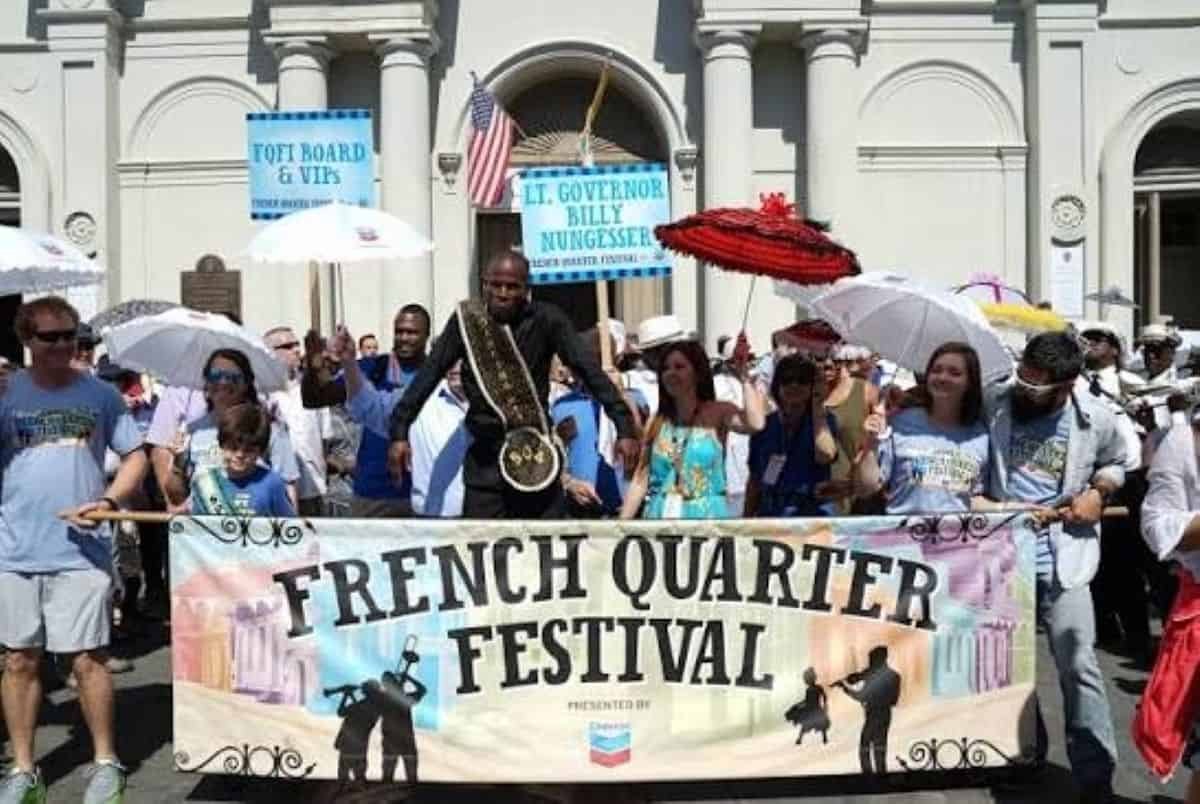

New Orleans is preparing for a major festive travel period as its French Quarter celebrations and Mississippi River fireworks attract visitors welcoming 2027. The city’s annual New Orleans Eve celebration will take place on 31 December, with Woldenberg Park serving as the principal riverfront gathering point. The preparations come after the destination welcomed 19.46 million visitors in 2025, generating $10.8 billion in visitor spending. Hotels, restaurants, entertainment venues and river cruise operators could benefit from increased holiday activity. However, the January 2027 Sugar Bowl falls on a different date from the previous year’s New Year’s Day fixture. This creates an important test of the city’s independent winter leisure tourism appeal.
New Orleans Builds Its Winter Tourism Appeal Around New Year
New Orleans is approaching the end of 2026 with its distinctive cultural identity at the centre of its winter travel proposition. The Louisiana destination combines historic neighbourhoods, live jazz, celebrated cuisine and riverfront entertainment. Its New Year’s Eve programme gives domestic and international travellers another reason to choose the city for a winter holiday.
The French Quarter remains central to this proposition. Its historic streets, ornate balconies, restaurants and music venues create an atmosphere that extends beyond the midnight countdown. Moreover, the neighbourhood’s proximity to downtown attractions allows visitors to combine sightseeing, dining and entertainment within relatively short distances.
The city’s latest annual tourism figures provide substantial economic context. New Orleans welcomed 19.46 million visitors in 2025, representing a 2% increase over 2024. Visitors spent $10.8 billion, compared with $10 billion during the preceding year. This generated an additional $800 million in annual visitor expenditure.
The 2025 performance placed the city approximately 1% below its 2019 record of 19.75 million visitors. It also marked the third time annual visitation exceeded 19 million. These figures demonstrate the destination’s considerable capacity to attract leisure travellers, business visitors and event audiences.
New Orleans & Company, the city’s official destination marketing organisation, identifies tourism as a foundational contributor to the regional economy. Restaurants, museums, performing arts, festivals and cultural attractions collectively sustain the visitor experience. Consequently, the holiday period offers an opportunity to convert the city’s established reputation into additional winter travel demand.
Woldenberg Park Gives Midnight A Riverfront Identity
The principal attraction on 31 December will be New Orleans Eve, the city’s annual riverfront celebration. Organisers stage the event around Woldenberg Park, offering visitors a prominent waterfront setting beside the Mississippi River. The official tourism programme promotes a free public celebration featuring fireworks and entertainment.
The riverfront location gives the event a distinctive geographical advantage. Visitors can experience the Mississippi River while watching the fireworks illuminate the downtown skyline. Furthermore, the celebration sits close to several French Quarter attractions and hospitality establishments.
The fleur-de-lis countdown adds another recognisable feature to the city’s festivities. New Orleans incorporates its historic emblem into its distinctive New Year tradition. This reinforces the destination’s cultural identity and differentiates its celebrations from conventional American countdown events.
However, visitors should distinguish confirmed event information from preliminary promotional material. The official tourism website lists New Orleans Eve for 31 December 2026, but states that the detailed 2026 programme remains to be announced. Travellers should therefore check the event organiser’s latest announcements before finalising their evening plans.
The celebrations extend beyond the main riverfront programme. Bourbon Street attracts visitors seeking bars, nightlife and entertainment. Meanwhile, Jackson Square and Royal Street offer historic architecture, galleries, independent shops and cultural experiences.
Families also have daytime alternatives. The Louisiana Children’s Museum lists its Noon Year’s Eve programme for 31 December. Zoo Year’s Eve also appears on the city’s event calendar. These attractions allow families to participate in holiday festivities without remaining outdoors until midnight.
| New Year’s Eve attraction | Location | Visitor appeal |
|---|---|---|
| New Orleans Eve | Woldenberg Park | Riverfront celebration and fireworks |
| Fleur-de-lis countdown | French Quarter riverfront area | Distinctive local tradition |
| Bourbon Street festivities | French Quarter | Nightlife and entertainment |
| Jackson Square | French Quarter | Historic architecture and cultural attractions |
| Noon Year’s Eve | Louisiana Children’s Museum | Daytime family activities |
| Zoo Year’s Eve | Audubon Zoo | Family-oriented holiday entertainment |
French Quarter Hotels Prepare for Concentrated Demand
Accommodation demand will provide one of the clearest indicators of the holiday period’s economic performance. Visitors arriving from other states and international markets require overnight stays. Consequently, hotels near the French Quarter, Warehouse District, Canal Street and downtown riverfront may benefit from their proximity to major attractions.
The city’s accommodation industry already operates on a substantial economic scale. An Oxford Economics study commissioned by the American Hotel & Lodging Association estimated nearly $9 billion in hotel industry economic impact during 2025. The assessment covered the 12-month period ending November 2025.
Its findings recorded 7.1 million hotel room nights sold across 207 properties. These establishments collectively offered 30,612 guest rooms. Hotel guests generated an estimated $5.4 billion in spending, equivalent to approximately $756 per room night sold.
| New Orleans hotel industry indicator | 2025 figure |
|---|---|
| Hotel properties | 207 |
| Available guest rooms | 30,612 |
| Room nights sold | 7.1 million |
| Hotel guest spending | $5.4 billion |
| Guest spending per room night | $756 |
| Total economic impact | Nearly $9 billion |
| Supported employment | More than 51,000 jobs |
| Total taxes generated | $1.2 billion |
These figures demonstrate why concentrated holiday bookings matter to the local economy. Hotel expenditure supports accommodation providers, employees, suppliers, restaurants and other businesses. Additionally, the industry contributes significant tax revenue to public finances.
The previous New Year’s Eve period offers a useful historical comparison. On 31 December 2025, New Orleans & Company chief executive Walt Leger reported hotel occupancy of approximately 90–95%. However, that period included visitors attending both New Year’s Eve celebrations and the Sugar Bowl.
Leger also indicated that the combined New Year and Sugar Bowl events could generate approximately $200 million in regional economic impact. This estimate covered the wider event period rather than New Year’s Eve alone. Therefore, it should not be presented as the revenue generated exclusively by the celebrations.
The 2026–27 holiday period has a different sporting calendar. The 2027 Sugar Bowl is scheduled for 15 January 2027, rather than the traditional New Year’s Day window. This makes comparisons with the previous holiday season particularly important. Hotel performance will help establish whether cultural attractions can sustain strong demand independently of a major football fixture.
New Orleans is also expanding and upgrading its accommodation inventory. New Orleans & Company has highlighted more than $1 billion in hotel renovation investment and $60 million in new hotel development. Fairmont New Orleans opened in November 2026, adding another prominent property to the city’s hospitality landscape.
Restaurant Reservations Extend The Holiday Spending Window
New Orleans’ culinary reputation provides another compelling reason for visitors to extend their stays. The city’s dining scene combines Creole traditions, seafood, contemporary Southern cooking and internationally recognised restaurant experiences. During the festive period, these establishments become an important component of the visitor economy.
Restaurants across the French Quarter and surrounding districts offer opportunities for special holiday dining. Many establishments typically introduce New Year’s Eve prix-fixe menus, multi-course dinners and celebratory drinks packages. These experiences attract visitors seeking a planned evening before the riverfront countdown.
Advance reservations are particularly important for travellers targeting popular restaurants. Visitors should check individual restaurant announcements, as festive menus and opening arrangements vary. Deposits, cancellation conditions, service charges and seating times also deserve attention before confirming bookings.
The commercial significance extends beyond restaurant bills. Visitors frequently combine dinner with cocktails, live jazz, entertainment and late-night activities. As a result, one reservation can contribute to spending across several hospitality businesses.
The restaurant market also gives travellers different ways to manage their holiday budgets. Premium dining experiences command higher prices, while neighbourhood restaurants and casual eateries provide alternatives. However, travellers should examine special holiday menus rather than assume ordinary menu prices will apply.
Dining demand also creates opportunities for local suppliers and hospitality workers. Restaurants require additional ingredients, beverages, kitchen operations and service staff during busy periods. Therefore, holiday spending can circulate through a wider network of local businesses.
River Cruises Add Another Dimension To Celebrations
The Mississippi River offers visitors an alternative perspective on the city’s midnight celebrations. Travellers can watch the fireworks from the waterfront or consider a river cruise. The official tourism guide identifies the Paddlewheeler Creole Queen and Steamboat NATCHEZ among the vessels associated with New Year’s Eve experiences.
These cruises provide a combination of river sightseeing, entertainment and festive dining. Depending on the package, passengers may experience live music, food and drinks while viewing the illuminated waterfront. However, availability, boarding arrangements and package inclusions require direct confirmation with operators.
Algiers Point also offers an alternative viewing location across the Mississippi River. Its position provides a different perspective of the downtown skyline and waterfront. Visitors seeking a different atmosphere may find this area worth considering, subject to local access arrangements.
River tourism complements the French Quarter’s established entertainment economy. It also encourages visitors to explore attractions beyond the busiest pedestrian streets. Consequently, cruise operators can contribute to a broader distribution of visitor spending.
Visitor Spending Supports A Wider Economic Network
The financial significance of the festive period extends well beyond hotel revenue. New Orleans’ tourism economy supports employment across restaurants, transport, entertainment, retail and cultural attractions. Each additional overnight visitor creates potential demand across several businesses.
New Orleans & Company reported that tourism and hospitality supported more than 85,000 jobs and careers in the city. Its 2025 visitor research also identified the substantial contribution of annual visitor expenditure. These figures underline tourism’s importance to local employment and public revenue.
The hotel industry’s separate economic assessment provides another perspective. Oxford Economics estimated that the sector supported more than 51,000 jobs. It also contributed almost $5 billion to city GDP and generated $1.2 billion in taxes.
These employment figures come from different research scopes. The wider tourism estimate covers a broader visitor economy, whereas the hotel study assesses the hotel industry’s economic contribution. They should not be combined or treated as separate employment pools without accounting for overlaps.
| Economic indicator | Reported value | Significance |
|---|---|---|
| Overall visitor spending, 2025 | $10.8 billion | Wider tourism expenditure |
| Tourism and hospitality employment | 85,000+ | Broad local economic contribution |
| Hotel industry economic impact | Nearly $9 billion | Hotel-related economic activity |
| Hotel guest spending | $5.4 billion | Direct hotel guest expenditure |
| Hotel industry tax contribution | $1.2 billion | Public revenue generation |
An important distinction concerns visitor spending and economic impact. Visitor expenditure measures what travellers spend across the destination. Economic impact can include wider business activity, wages and associated economic effects. Therefore, these figures describe different dimensions rather than interchangeable revenue totals.
The American Hotel & Lodging Association also highlighted rising operating costs as an industry challenge. Its 2026 research identified substantial increases in hotel insurance, utilities, labour and property operations expenses. Nationally, insurance costs had increased 111% since 2019, according to the association.
These pressures matter during high-demand periods. Strong room bookings can improve revenue opportunities, but accommodation providers must also manage staffing, maintenance, energy and insurance costs. Consequently, higher occupancy does not automatically translate into equivalent increases in profitability.
AHLA President and Chief Executive Rosanna Maietta described the sector’s importance on 27 April 2026. She said, “New Orleans’ hotel industry is the heartbeat of the city’s economy”. Her remarks underline the relationship between accommodation businesses and the wider visitor experience.
Airport Arrivals And Ground Transport Shape Access
Louis Armstrong New Orleans International Airport provides the principal air gateway for visitors arriving from domestic and international markets. Its passenger statistics offer useful context for understanding the destination’s connectivity.
The airport recorded approximately 12.43 million passenger movements in 2025, including arrivals and departures. This represented a 5.2% decrease from approximately 13.12 million movements in 2024. December 2025 recorded nearly one million passenger movements, down 8.6% year on year.
These figures provide an important counterpoint to the city’s growing annual visitor expenditure. Higher tourism spending does not necessarily mean that every transport indicator increases simultaneously. Visitor composition, accommodation choices, travel prices and spending patterns can all influence the relationship.
Visitors should consider their journey from the airport to their accommodation. Taxi services, rideshare vehicles, airport shuttles and rental cars offer different transport options. Travellers should confirm fares, pickup locations and hotel transfer arrangements before departure.
Once inside the central tourism districts, walking and public transport can be more practical than driving. The French Quarter has narrow streets, limited parking and pedestrian-heavy areas. Major celebrations can also trigger temporary road restrictions and security arrangements.
The New Orleans Regional Transit Authority operates the city’s streetcar and bus network. However, visitors should check holiday timetables and service notices before travelling. Event-related diversions may affect normal routes and journey times.
The January Calendar Changes The Demand Equation
The forthcoming celebrations present an interesting comparison with New Orleans’ previous holiday season. During the transition into 2026, the city hosted New Year’s Eve festivities alongside the Sugar Bowl. The combination attracted football supporters, leisure visitors and people attending the celebrations.
The 2027 Sugar Bowl, however, is scheduled for 15 January at the Caesars Superdome. It will serve as a College Football Playoff semifinal. This separates the major football event from the December 31 celebrations.
The changing calendar creates a useful test of the destination’s independent holiday appeal. The city retains its restaurants, music venues, cultural attractions and riverfront entertainment. Moreover, the wider January calendar includes early Carnival events, creating additional opportunities for visitors extending their holidays.
The city’s longer-term development strategy is also relevant. Its Vision 2035 roadmap aims to strengthen the region as a place to live, work, learn and visit. This ambition places tourism within a wider framework of urban development and community benefits.
For travel businesses, the changing event calendar creates a forecasting challenge. Hotels and restaurants must assess demand without assuming that previous occupancy levels will automatically recur. Meanwhile, travel planners can examine whether the city’s cultural attractions encourage visitors to arrive earlier or remain longer.
Smart Planning Makes The Holiday Easier
Travellers planning a New Year visit should consider accommodation, dining and transport arrangements together. The concentration of celebrations around the French Quarter creates practical challenges. Pedestrian movement, vehicle access and parking availability can change considerably during major events.
Booking accommodation early is advisable, particularly for properties within walking distance of Woldenberg Park. However, travellers should compare hotels in the Warehouse District and Central Business District as well. These neighbourhoods may provide alternative accommodation choices while retaining access to the central celebration areas.
Restaurant reservations deserve similar attention. Visitors should arrange special dinners directly with restaurants and confirm the complete menu price. They should also check deposits, cancellation policies and seating arrangements before making payments.
Reaching the riverfront early can make the evening more comfortable. Visitors should allow additional time for security procedures, crowded pavements and walking between venues. Those staying outside the French Quarter should arrange their return journey before the busiest post-midnight period.
December weather also deserves consideration. New Orleans generally experiences relatively mild winter conditions, although temperatures can fluctuate. Travellers should check the forecast before departure and carry suitable layers for extended outdoor celebrations.
Practical advice for visitors:
- Reserve hotels early and compare locations against walking distances to the riverfront.
- Confirm restaurant bookings, festive menus and additional charges before arrival.
- Check the official fireworks programme and event access arrangements.
- Monitor streetcar services, traffic restrictions and airport transfer information.
- Carry comfortable walking shoes and a light waterproof jacket.
- Explore Royal Street, Jackson Square and Frenchmen Street beyond Bourbon Street.
- Consider an additional overnight stay for museums, river cruises and cultural attractions.
- Keep checking official weather and event announcements before travelling.
Families should examine daytime programmes separately from the main evening celebration. The Louisiana Children’s Museum and Audubon Zoo offer alternatives for visitors travelling with younger children. Meanwhile, visitors seeking a quieter experience can explore City Park and the New Orleans Botanical Garden.
Travellers considering river cruises should confirm boarding times, departure locations and refund conditions. They should also establish whether the package includes dinner, drinks, entertainment or dedicated fireworks viewing. These details can differ substantially between operators.
New Orleans Faces A Crucial Tourism Test
The forthcoming celebrations offer an important opportunity to assess the strength of New Orleans’ independent holiday tourism market. Its 2025 visitor economy provides a substantial foundation, with 19.46 million visitors and $10.8 billion in annual spending. Meanwhile, the hotel industry generated nearly $9 billion in wider economic impact.
However, the different timing of the 2027 Sugar Bowl changes comparisons with the previous New Year period. Accommodation performance, restaurant demand and visitor spending will reveal how effectively the city’s cultural attractions sustain seasonal travel. These indicators will also help establish whether travellers increasingly view New Orleans as a multi-day winter destination.
For visitors, the attraction lies in experiencing several dimensions of the city within one holiday. Riverfront fireworks, historic neighbourhoods, distinctive cuisine and live music create a compelling combination. For the tourism industry, the larger opportunity lies in converting that experience into overnight stays and sustained economic activity.
New Orleans therefore enters the 2027 holiday season with considerable tourism momentum, but the true measure of success will extend beyond one night. Its ability to attract visitors, encourage longer stays and distribute spending across local businesses will determine the wider value of the celebrations.
The post New Orleans New Year Tourism Set for a Major Surge as French Quarter Celebrations, Riverfront Fireworks and Hotel Demand Attract Holiday Travellers appeared first on Travel And Tour World.