United Airlines Prepares for Expensive Christmas Travel, Combining Delta and More as Fuel Prices Rise and Holiday Airfares Approach 23% Higher Than in 2025
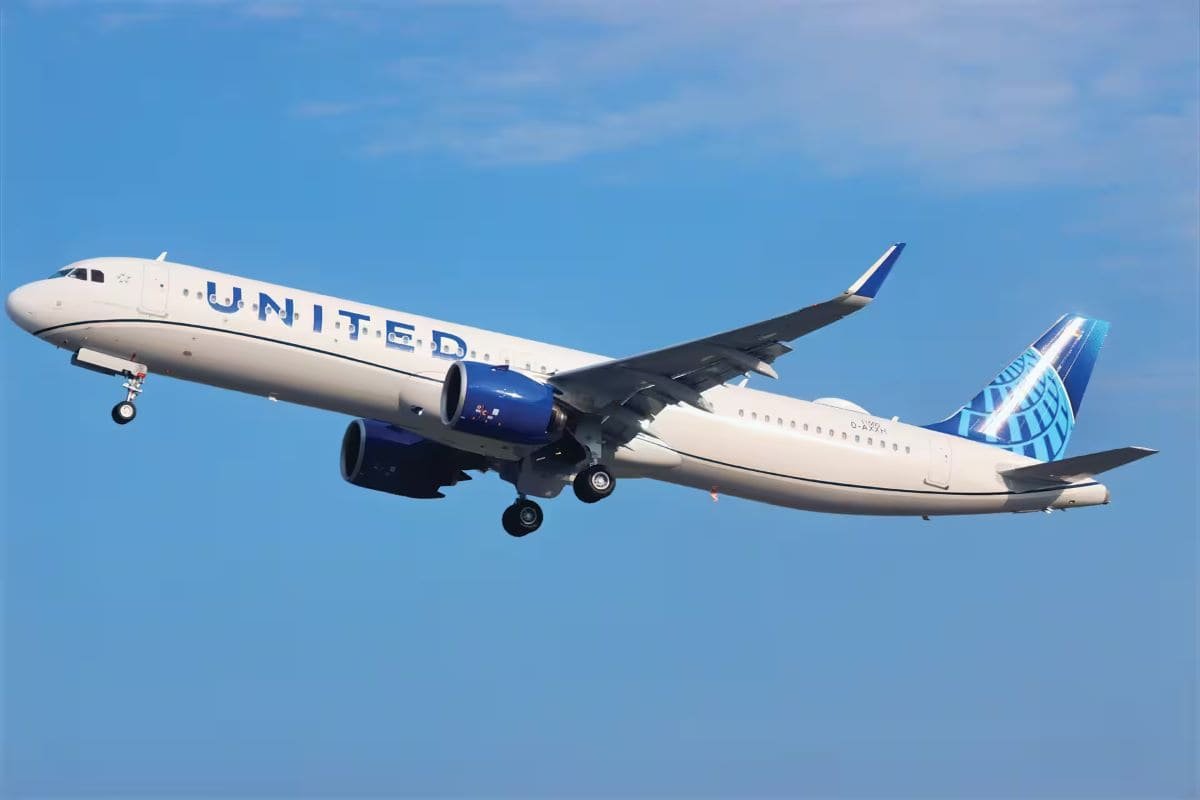
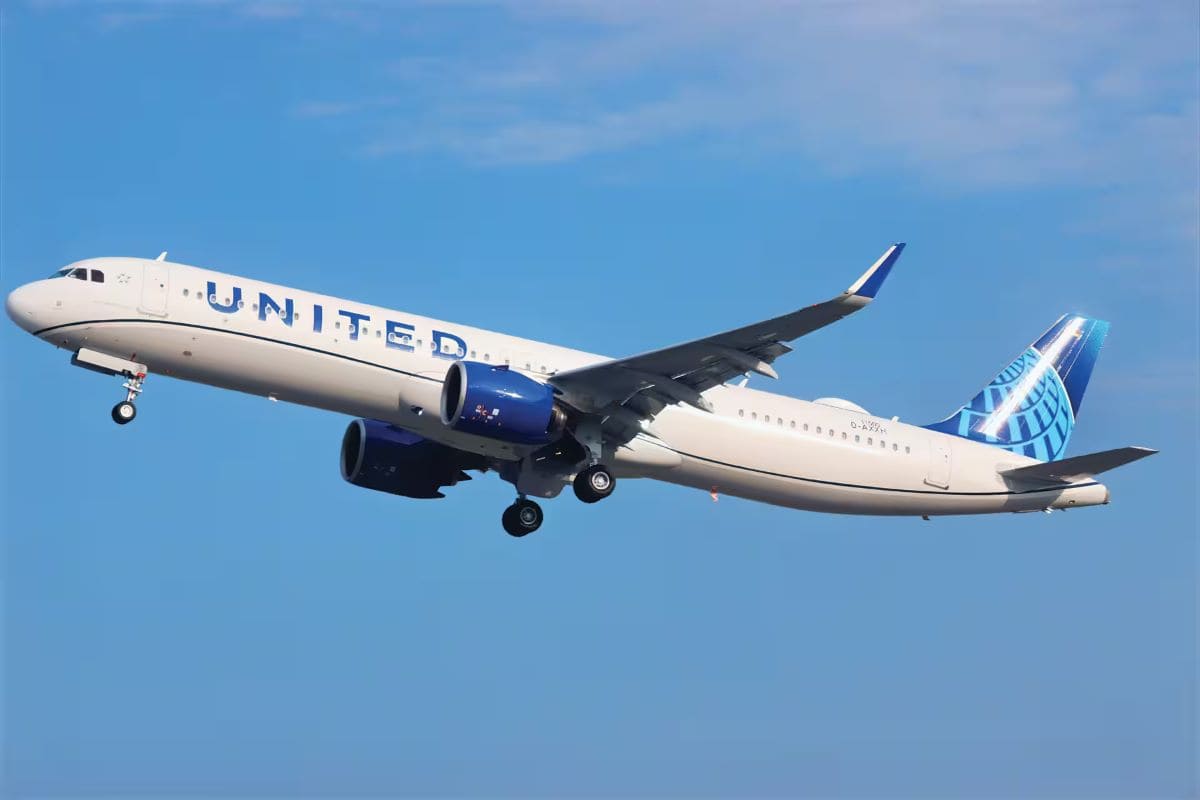

United Airlines, Delta Air Lines, American Airlines and Southwest Airlines are among the major US carriers reporting higher ticket prices or pursuing stronger passenger revenue as rising jet fuel costs reshape the Christmas 2026 travel season. Domestic round-trip Christmas airfares are projected to average $452, approximately 23% higher than in 2025. Rising aviation fuel expenses, strong seasonal demand and selective flight reductions are combining to make holiday travel more expensive. While individual airlines have adopted different pricing strategies, the broader trend suggests that American travelers could face higher costs when booking flights for December.
Rising jet fuel prices, strong seasonal demand and selective flight reductions are driving the surge. Airlines are adjusting pricing strategies to protect profitability while passengers struggle with shrinking affordable options. Families planning festive reunions could face hundreds of dollars in additional expenses. The approaching holiday season is becoming an increasingly costly journey for millions of Americans.
Which US airlines are raising fares before Christmas 2026?
| US airline | Fare increases and pricing evidence | Fuel-cost pressure and operational response | Christmas 2026 implications |
|---|---|---|---|
| United Airlines | Management acknowledged higher pricing and expects elevated fares to persist. Earlier in 2026, it reported fare increases of approximately 15–20% across some pricing observations. | Third-quarter fuel cost approximately $3.90 per gallon, compared with $2.43 a year earlier. Cut marginal routes, including some planned December flights. | Higher fares and fewer low-cost flight choices on affected routes. |
| Delta Air Lines | Confirmed higher domestic base fares and international fuel surcharges. Premium revenue rose 18% in Q3. | Expected annual fuel expenditure approximately $6 billion above the previous year. Focus on premium revenue and capacity discipline. | Higher ticket costs, particularly where demand is strong. |
| American Airlines | Management supported higher pricing to offset fuel expenditure. No uniform Christmas-specific percentage was disclosed. | Q3 fuel price approximately $3.85 per gallon, up from $2.37. Reduced some planned flights and reconsidered future growth. | Potentially higher fares and reduced cheaper-seat availability. |
| Southwest Airlines | Confirmed average passenger fare increased 26.9% year on year to $231.69 in Q3, excluding ancillary fees. | Higher fuel costs prompted revised earnings expectations, capacity adjustments and greater ancillary-revenue emphasis. | More expensive tickets and possible additional baggage or seat-related costs. |
| Alaska Airlines | Part of the major-airline group reporting higher passenger revenue, but no verified standalone Christmas fare increase identified. | Exposed to the same industry fuel-cost pressures and emphasis on ticket yield. | Prices may be elevated, but route-specific increases require verification. |
| JetBlue Airways | Reported exposure to the broader fuel-cost shock; a quantified Christmas-specific increase was not established in the reviewed evidence. | Higher fuel expenditure creates pressure on revenue and operating margins. | Higher pricing risk, without a confirmed holiday-specific increase. |
Why Are US Airlines Raising Airfares Ahead of Christmas 2026?
The approaching Christmas travel season is creating a difficult financial balancing act for American airlines. Fuel costs have increased substantially during 2026, forcing carriers to reconsider how they price tickets and manage flight capacity. At the same time, millions of travelers are preparing to visit relatives, take winter vacations and travel to popular holiday destinations.
Airlines typically respond to higher operating expenses through a combination of ticket pricing, capacity adjustments and revenue management. However, the latest increase in aviation fuel costs has intensified these decisions.
United, Delta, American and Southwest have reported higher passenger revenue or adopted pricing strategies intended to protect profitability. These developments are particularly significant because Christmas is traditionally one of the busiest periods for domestic air travel.
Higher demand allows airlines to charge more on popular routes, particularly when fewer discounted seats remain available. Nevertheless, not every airline has announced a Christmas-specific fare increase, and individual ticket prices continue to vary by destination and booking date.
How Much More Will Americans Pay for Christmas Flights in 2026?
Christmas travel is becoming noticeably more expensive for US passengers. Holiday airfare estimates indicate that the average domestic round-trip ticket could reach $452 in 2026, compared with approximately $367 during the previous Christmas season.
That represents an increase of about $85 per passenger, or 23% year over year. For families traveling together, the financial impact can be considerably greater.
A family of four purchasing tickets at the projected average would spend approximately $1,808 on airfare alone, compared with $1,468 in 2025. This represents an additional $340 before baggage charges, seat selection, airport transportation and accommodation.
Thanksgiving travelers are facing similar pressures. Average domestic round-trip fares for that holiday are estimated at $402, approximately 31% above the previous year.
These estimates reflect broader booking trends rather than guaranteed prices on individual flights. Travelers departing from different airports or choosing alternative travel dates may encounter substantially different fares.
Which Major US Airlines Are Increasing Ticket Prices?
Several leading American airlines have reported higher fares or stronger ticket revenue as they adjust to rising fuel expenses. However, their pricing responses differ.
| US airline | Reported pricing development | Christmas travel implications |
|---|---|---|
| United Airlines | Higher pricing and stronger passenger revenue | More expensive tickets on high-demand routes |
| Delta Air Lines | Higher domestic base fares and international fuel surcharges | Increased costs on selected domestic and international services |
| American Airlines | Pricing adjustments intended to offset rising expenses | Potentially higher fares and fewer discounted seats |
| Southwest Airlines | Average passenger fare increased 26.9% year over year in Q3 | Higher average ticket costs |
| Alaska Airlines | Stronger passenger revenue amid industry pricing changes | Possible fare pressure on selected routes |
| JetBlue Airways | Exposure to rising aviation fuel expenses | Potential pricing adjustments, although no Christmas-specific increase was established |
Southwest provides one of the clearest examples of rising realized fares, with its average passenger fare reaching $231.69 during the third quarter.
However, an increase in average revenue per passenger does not mean that every ticket has risen by the same percentage.
Airline pricing remains dependent on route competition, departure dates, available seats and passenger demand.
Why Are Rising Jet Fuel Prices Creating Such Serious Pressure?
Aviation fuel has become one of the most significant financial challenges facing US airlines in 2026. International energy market disruptions have pushed jet fuel prices sharply higher, increasing the cost of operating commercial aircraft.
During October, US Gulf Coast jet fuel prices approached $4.63 per gallon, according to the Energy Information Administration’s pricing series.
United Airlines estimated an average all-in fuel cost of approximately $4.80 per gallon during the fourth quarter, illustrating the financial pressure facing carriers during the holiday period.
Fuel represents a major operating expense because aircraft consume substantial quantities during every flight. Longer routes generally require more fuel, making changes in energy prices particularly important for airline profitability.
Carriers cannot always recover these expenses immediately through ticket sales. Instead, they may increase fares, reduce unprofitable services or limit discounted inventory.
The result is a challenging environment in which airlines must balance higher operating costs against passengers’ willingness to pay.
How Is United Airlines Responding to Higher Fuel Expenses?
United Airlines has become a prominent example of how major US carriers are responding to expensive aviation fuel.
The airline reported approximately $17.9 billion in operating revenue during the third quarter of 2026, representing an increase of 17.4% compared with the previous year.
Its total revenue per available seat mile also increased, indicating that the airline generated more revenue relative to its flying capacity.
United has acknowledged the importance of higher pricing in managing rising expenses. It has also reviewed marginal routes and removed some planned services, including selected December flights.
These decisions may affect travelers who previously relied on cheaper departures or alternative flight times.
When airlines remove less-profitable services, remaining flights can experience stronger demand. This can reduce the availability of discounted seats.
For Christmas passengers, the implications are particularly important on busy routes connecting major metropolitan areas, family destinations and popular vacation markets.
Why Is Delta Air Lines Focusing on Higher Fares and Premium Travel?
Delta Air Lines is pursuing a revenue strategy that places considerable emphasis on premium passengers and stronger ticket yields.
The airline has reported higher domestic base fares and international fuel surcharges as it manages rising aviation fuel expenses.
Its premium revenue increased by approximately 18% during the third quarter of 2026, demonstrating continued demand for higher-priced travel products.
Delta has also indicated that annual fuel expenditure could be approximately $6 billion higher than the previous year.
This additional expense creates substantial pressure to maintain revenue growth while controlling operating costs.
Premium cabins, upgraded seating and additional passenger services provide opportunities to generate revenue beyond basic economy tickets.
However, higher fuel costs can affect all travelers, including those purchasing standard economy fares.
During Christmas, passengers seeking convenient departure times, nonstop services or flexible tickets may encounter particularly expensive options as airlines prioritize revenue on heavily booked flights.
How Are American Airlines and Southwest Airlines Adjusting Their Pricing Strategies?
American Airlines and Southwest Airlines are also navigating the financial consequences of expensive jet fuel.
American reported an average fuel price of approximately $3.85 per gallon during the third quarter of 2026, compared with around $2.37 a year earlier.
The increase placed additional pressure on operating expenses, encouraging management to reconsider capacity growth and ticket pricing.
American has also reviewed selected services and future expansion plans to improve financial performance.
Southwest, meanwhile, reported a 26.9% year-over-year increase in its average passenger fare during the third quarter, reaching $231.69.
This figure reflects realized average fares rather than a universal increase across every route.
Southwest has also placed greater emphasis on additional passenger revenue and capacity discipline.
Both airlines demonstrate how carriers can respond to higher expenses through different combinations of pricing, network adjustments and commercial strategy.
For Christmas travelers, these changes may translate into fewer low-priced options on certain routes.
Why Are Airline Fare Increases Outpacing General US Inflation?
Airline ticket prices have risen much faster than overall consumer prices in the United States.
According to the Bureau of Labor Statistics, the airline fares component of the Consumer Price Index increased 22.4% during the 12 months ending September 2026.
By comparison, overall consumer prices increased approximately 3.7% during the same period.
This difference highlights the exceptional pressures affecting the aviation industry.
While general inflation measures changes across a broad range of goods and services, airline fares respond directly to fuel expenses, travel demand, seat availability and competitive conditions.
Airlines also use dynamic pricing systems that adjust ticket prices as departure dates approach and cheaper booking categories sell out.
Christmas travel intensifies these pricing patterns because passengers often have limited flexibility around school holidays, family gatherings and annual leave.
However, the national airfare inflation figure should not be interpreted as a guaranteed increase for every passenger. Some routes may experience smaller changes, while others could become considerably more expensive.
Could Reduced Flight Capacity Make Christmas Airfares Even Higher?
Airline capacity decisions could become another important factor influencing Christmas travel prices.
Several major carriers have indicated that they are reviewing flight schedules and reducing services that generate insufficient revenue to cover rising expenses.
United has removed some marginal flights, while American has reconsidered selected operations and future capacity growth.
Southwest has also signaled a willingness to adjust available capacity when operating conditions become unfavorable.
These decisions do not necessarily mean that airlines are reducing their entire domestic networks.
Instead, they may concentrate aircraft and resources on routes offering stronger demand and better financial returns.
For passengers, fewer flights can reduce the number of available booking choices.
A traveler who previously had several daily departures may find fewer convenient alternatives, particularly on less competitive routes.
When demand remains strong and capacity becomes constrained, airlines may have greater ability to maintain higher fares during the Christmas travel period.
What Can Americans Do to Reduce Christmas Travel Costs?
Despite higher average fares, travelers still have opportunities to manage their holiday transportation expenses.
Booking earlier can provide access to a wider selection of flights and fare categories, although it does not guarantee the lowest price.
Passengers should compare departure dates, nearby airports and alternative connections before purchasing tickets.
Traveling outside the busiest holiday departure and return periods may offer better value, particularly for passengers with flexible schedules.
It is equally important to compare the total ticket price rather than focusing exclusively on the advertised fare.
Checked baggage, seat selection, priority boarding and other optional services can increase the final cost.
Families should pay particular attention to these expenses because additional charges multiply across several passengers.
Travelers should also review cancellation conditions and fare restrictions before booking.
The combination of higher fuel expenses and strong seasonal demand makes careful planning particularly valuable for Christmas 2026.
What Does the Christmas 2026 Airfare Surge Mean for the US Aviation Industry?
The increase in Christmas airfares reflects a broader transformation in how American airlines manage financial pressure.
United, Delta, American and Southwest are emphasizing stronger passenger revenue, disciplined capacity management and more profitable operations as fuel expenses remain elevated.
The strategy may help carriers offset rising costs, but it also places greater financial pressure on travelers.
With average domestic Christmas round-trip fares projected at $452, passengers could face one of the most expensive holiday booking environments in recent years.
However, the situation remains uneven across airlines and destinations. Higher industry-wide fares do not establish that every carrier has introduced a specific Christmas surcharge.
The coming weeks will reveal how airlines balance passenger demand, fuel costs and competition as December approaches.
For American travelers, the central message is clear: Christmas flights are becoming more expensive, and comparing fares, travel dates and additional charges will be increasingly important when planning the 2026 holiday season.
Christmas 2026 is shaping up to be an expensive travel season for Americans as major airlines confront soaring aviation fuel expenses and sustained holiday demand. United, Delta, American and Southwest are responding through higher ticket revenue, pricing adjustments and selective capacity reductions. With average domestic round-trip fares projected at $452, families could face considerably larger travel bills than last year. However, not every carrier has announced a specific holiday surcharge. Travelers can still reduce expenses by comparing airports, choosing flexible departure dates and booking carefully. Ultimately, rising operating costs and limited affordable seats are reshaping America’s festive flying experience.
The post United Airlines Prepares for Expensive Christmas Travel, Combining Delta and More as Fuel Prices Rise and Holiday Airfares Approach 23% Higher Than in 2025 appeared first on Travel And Tour World.