Norway Unveils Magical Oslo Christmas Travel Experiences With Nobel Peace Prize Celebrations and Festive Traditions
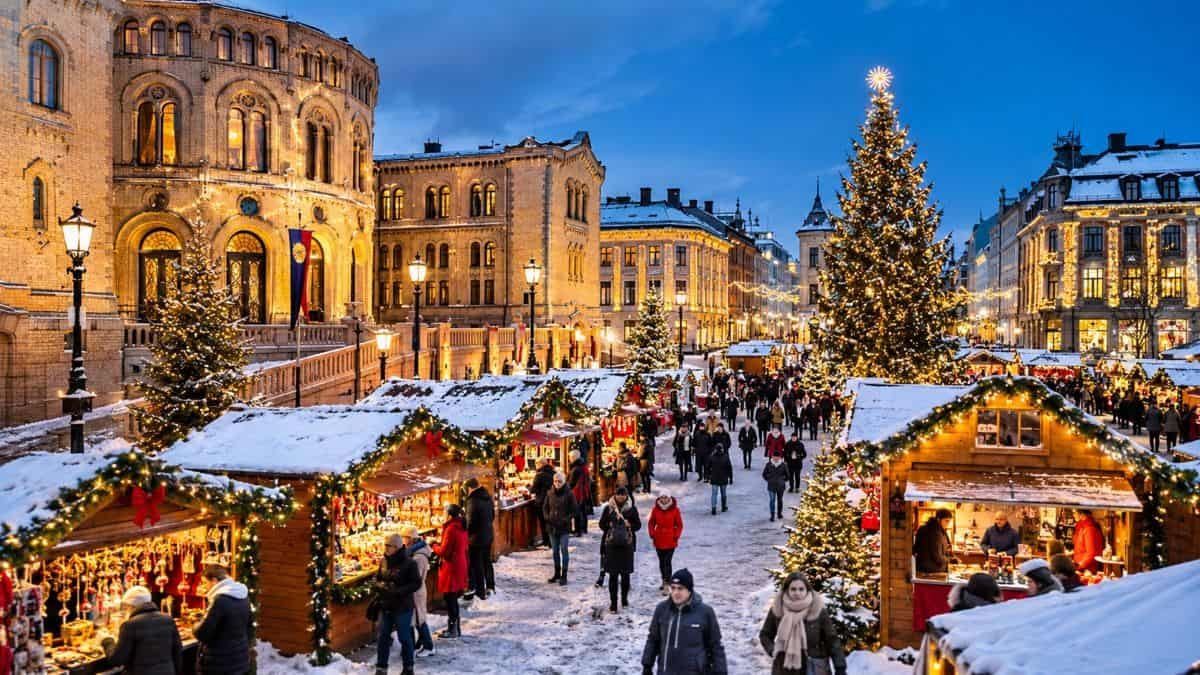

Oslo is positioning itself as one of Europe’s most enchanting winter destinations, welcoming international travellers with a festive calendar filled with traditional Advent celebrations, atmospheric Christmas markets and distinctive Norwegian cultural experiences. From the neighbouring countries of Sweden and Denmark to Germany, Austria and the United Kingdom, visitors can explore a capital transformed by seasonal illuminations, winter festivities, traditional cuisine and historic landmarks. The city’s December attractions offer an appealing combination of festive entertainment and authentic Scandinavian heritage.
Beyond its Christmas markets and seasonal shopping opportunities, Oslo provides visitors with a rich cultural programme throughout December. The annual Nobel Peace Prize ceremony, held on 10 December, further enhances the city’s international significance, attracting global attention and adding a distinguished cultural dimension to the winter season. With public celebrations, traditional performances, illuminated streets and regional culinary experiences, Norway’s capital presents an attractive opportunity for travellers seeking a memorable European Christmas holiday that combines festive charm with meaningful cultural discovery.
Oslo Combines Nobel Peace Prize Celebrations With Christmas Tourism
December brings a distinctive atmosphere to Oslo, where the Christmas season develops alongside one of the world’s most recognised international award ceremonies. The Nobel Peace Prize presentation takes place annually on 10 December, bringing international attention to the Norwegian capital and attracting visitors interested in diplomacy, history and global affairs.
The celebrations create an unusual combination of solemn international recognition and festive public activities. Streets surrounding the waterfront and central shopping districts become increasingly lively as residents and international visitors gather to enjoy the seasonal atmosphere.
The ceremony is held at Oslo City Hall, where the Norwegian royal family traditionally attends the presentation. The Nobel Peace Prize is the only Nobel award presented outside Stockholm, reflecting the historical arrangements established by Alfred Nobel.
Following the ceremony, attention frequently turns towards the Grand Hotel, where the laureate traditionally appears on the balcony. The gathering creates a memorable public occasion, with spectators assembling along the surrounding streets.
The Nobel Peace Prize Creates an International Travel Attraction
The Nobel Peace Prize ceremony provides Oslo with an additional tourism attraction during December. Unlike conventional winter festivals, the occasion connects international diplomacy with the city’s seasonal cultural programme.
Visitors arriving for the celebrations can experience the atmosphere surrounding the Nobel Peace Centre, the waterfront and Karl Johans Gate. The combination of historical institutions, public gatherings and Christmas decorations creates a distinctive setting for winter sightseeing.
The torchlight procession is another memorable element of the celebrations. Participants carry illuminated torches through the city, creating a striking visual experience against Oslo’s December darkness.
The procession attracts attention because it combines public participation with the symbolic message associated with the Nobel Peace Prize. For international visitors, it offers an opportunity to understand how Norway incorporates peace, remembrance and cultural expression into its annual celebrations. As highlighted in official communications from the Office of the Prime Minister of Norway (Regjeringen.no), the prize and its associated celebrations represent a defining moment in Norway’s civic and diplomatic calendar, underscoring national engagement with international human rights and peace promotion.
The event also demonstrates how major cultural occasions can contribute to destination appeal beyond conventional sightseeing. Visitors can incorporate the ceremony into a wider itinerary featuring museums, restaurants, shopping districts and Christmas markets.
Christmas Markets Bring Norwegian Traditions Into the City Centre
Jul i Vinterland is among the seasonal attractions contributing to Oslo’s festive atmosphere. The Christmas market offers visitors an opportunity to discover Norwegian specialities, seasonal decorations and traditional winter refreshments.
Located in the city centre, the market becomes an important gathering place during December. Its illuminated installations, festive stalls and entertainment create an inviting environment for families, couples and international tourists.
Food is an important part of the experience. Visitors can encounter reindeer and elk burgers, traditional almond pastries and other seasonal specialities. Kransekake, a traditional Norwegian almond-based cake, is particularly associated with celebrations and festive occasions.
Gløgg, a Scandinavian-style spiced seasonal drink, is another familiar feature of the Christmas atmosphere. However, Norway maintains strict regulations governing alcohol sales and consumption. Alcoholic versions are therefore available only through appropriately licensed establishments and designated consumption areas.
The market provides a convenient introduction to Norwegian seasonal culture, particularly for visitors unfamiliar with the country’s Christmas traditions.
Clarion Hotel The Hub Creates a Festive Accommodation Experience
Accommodation can contribute significantly to a winter city break, and Clarion Hotel The Hub offers a particularly seasonal experience during December.
The central hotel transforms parts of its property into a Christmas-themed environment, incorporating festive decorations, seasonal dining experiences, concerts and charitable gift initiatives.
Its Christmas-inspired rooms provide an additional attraction for travellers seeking accommodation that reflects the atmosphere of the destination. Decorative details and illuminated Christmas trees contribute to the seasonal presentation.
The hotel’s elevated location also offers views across Oslo, including the surrounding urban landscape and seasonal attractions.
For international visitors, centrally located accommodation can simplify access to major attractions, shopping streets and public transport. This becomes particularly valuable during December, when colder weather and limited daylight influence sightseeing arrangements.
Oslo also offers alternative accommodation options for visitors interested in contemporary design and lifestyle experiences. Boutique-style properties in the historic central districts provide a different atmosphere from larger international hotels.
Norwegian Christmas Cuisine Introduces Visitors to Regional Food Culture
Food tourism is an important component of Oslo’s winter appeal. Traditional Norwegian Christmas dishes provide visitors with an opportunity to understand regional culinary practices while enjoying the seasonal atmosphere.
Lutefisk is one of the country’s best-known traditional dishes. Prepared using dried whitefish, commonly cod, it undergoes a distinctive treatment involving lye before being carefully processed for consumption.
The preparation and presentation of lutefisk reflect a long-standing culinary tradition. It is particularly associated with the winter season and Christmas dining.
Pinnekjøtt is another important festive speciality. The dish consists of salted and dried lamb ribs, traditionally prepared through steaming and served during Norwegian Christmas celebrations.
Aquavit frequently accompanies traditional festive meals. This Scandinavian spirit has a longstanding association with Norwegian food culture, although visitors should be aware of local alcohol regulations.
Restaurants specialising in traditional Norwegian cuisine provide an opportunity to experience these dishes in a historical setting.
Gamle Raadhus Preserves Oslo’s Historical Dining Traditions
Gamle Raadhus offers a distinctive dining experience inside Oslo’s former town hall, a historic building dating from 1641.
The restaurant places considerable emphasis on traditional Norwegian recipes while incorporating contemporary culinary techniques. Seasonal ingredients and established cooking practices contribute to its approach.
Its historical surroundings provide an additional dimension to the dining experience, particularly for travellers interested in connecting food with local heritage.
During the Advent period, the restaurant highlights traditional Norwegian festive dishes, including lutefisk and pinnekjøtt.
The culinary experience demonstrates how Oslo’s restaurant sector can preserve regional traditions while adapting to contemporary expectations. For international tourists, sampling local specialities offers a deeper understanding of Norway beyond its familiar landscapes and urban attractions.
The restaurant also illustrates the growing importance of culinary heritage within European cultural tourism, where traditional recipes increasingly form part of destination identity.
Grünerløkka Reveals Oslo’s Contemporary Cultural Character
Oslo’s appeal extends beyond Christmas markets and historical institutions. The neighbourhood of Grünerløkka provides a contrasting perspective on the Norwegian capital, introducing visitors to its contemporary creative culture.
Known for its independent businesses, cafés and cultural atmosphere, the district offers opportunities to explore a different side of the city.
Visitors can spend time discovering local shops, restaurants and creative spaces while observing the neighbourhood’s distinctive architectural character.
Grünerløkka is particularly suitable for travellers who want to balance conventional sightseeing with neighbourhood exploration.
Its atmosphere also reflects Oslo’s wider transformation into a contemporary Scandinavian capital where cultural heritage and modern urban lifestyles coexist.
During the Christmas season, visitors can incorporate the district into a wider walking itinerary, exploring its independent retail establishments and seasonal dining options.
Bjørvika Combines Contemporary Architecture and Cultural Attractions
Bjørvika represents another important part of Oslo’s modern urban identity. The waterfront district has developed into a prominent cultural and architectural destination, attracting visitors interested in contemporary design.
The MUNCH Museum is one of its major attractions. Dedicated to the work and legacy of Norwegian artist Edvard Munch, the institution offers an important introduction to the country’s artistic heritage.
The Oslo Opera House is another defining landmark. Its distinctive architecture and waterfront position make it a popular destination for visitors exploring the Norwegian capital.
The building provides an opportunity to appreciate contemporary Norwegian architecture while enjoying views across the surrounding harbour.
During December, the Opera House also contributes to Oslo’s cultural programme. Seasonal performances and festive entertainment strengthen the city’s appeal for visitors interested in combining winter travel with the performing arts.
Together, the MUNCH Museum and Opera House demonstrate how cultural institutions contribute to the development of Oslo as a year-round international tourism destination.
The Nutcracker Adds a Classical Christmas Performance
The Christmas season in Oslo includes opportunities to experience traditional performing arts.
Tchaikovsky’s The Nutcracker remains closely associated with the wider European Christmas entertainment tradition. Its popularity extends across international audiences, making it an attractive seasonal performance for visitors.
The Norwegian National Ballet has a longstanding association with the production, which has been part of Oslo’s Advent cultural programme for decades.
The performance provides an alternative to outdoor Christmas activities, particularly during colder evenings.
For international travellers, attending a seasonal ballet offers an opportunity to experience Norway’s performing arts alongside its culinary and architectural attractions.
Cultural programming also broadens the appeal of Oslo beyond conventional winter sightseeing, making the destination attractive to visitors with different interests and travel expectations.
SALT Introduces Contemporary Art and Creative Experiences
SALT, a cultural project located along Oslo’s waterfront, offers visitors a different perspective on the city’s creative industries.
The venue combines artistic activities, cultural programming and community-oriented initiatives. Its location opposite the waterfront district makes it a convenient stop during an exploration of central Oslo.
Seasonal events and creative activities provide opportunities to encounter contemporary cultural expressions alongside traditional Norwegian celebrations.
Craft products and locally connected initiatives can also introduce visitors to creative communities and social enterprises.
The attraction demonstrates how Oslo incorporates contemporary artistic experiences into its broader tourism offering.
For travellers seeking alternatives to conventional museums and shopping streets, cultural spaces such as SALT can provide a more informal introduction to the city’s creative identity.
Aker Brygge Provides Waterfront Shopping and Seasonal Atmosphere
Aker Brygge is one of Oslo’s prominent waterfront destinations, combining shopping, restaurants and harbour views.
The district offers a convenient location for visitors seeking dining and retail experiences during their December stay.
Its waterfront environment creates a contrasting atmosphere to the historic streets and traditional Christmas market areas.
Seasonal decorations and the surrounding urban landscape contribute to its appeal as a place for relaxed sightseeing.
One particularly charming Norwegian Christmas tradition involves writing letters to Julenisse, a folkloric Christmas figure associated with the country’s festive celebrations.
Julenisse combines characteristics of a traditional household gnome and the familiar Christmas gift-bringer. The character occupies an important place in Norwegian Christmas folklore.
For international tourists, discovering such customs provides a more meaningful connection with local traditions.
Norsk Folkemuseum Preserves Traditional Norwegian Christmas Celebrations
The open-air museum presents Norway’s architectural and cultural heritage through historic buildings representing different periods and regions. According to Norway’s official national tourism board, Visit Norway, its historic Christmas programme provides visitors with an authentic opportunity to discover how Norwegian families celebrated the festive season across earlier generations.
More than 100 seasonal stalls featuring traditional crafts and regional specialities contribute to the atmosphere during the December events. The programme also includes performances by folk-dancing groups. Visitors can experience traditional Norwegian music and dancing, with performers wearing red Julenisse caps and presenting familiar seasonal songs.
The museum’s open-air theatre provides a setting for these performances, bringing traditional Christmas entertainment to life. Its historical buildings are particularly important to the visitor experience; each structure offers insights into different periods of Norwegian life, allowing visitors to understand how Christmas traditions developed across generations.
The museum attracts substantial visitor numbers during its seasonal celebrations, making it an essential destination for cultural tourism in Oslo.
Norwegian Folk Dancing Strengthens the Advent Experience
Traditional folk dancing is an important feature of the December programme at Norsk Folkemuseum.
Performers wearing red Christmas caps present traditional dances accompanied by familiar seasonal music.
These activities provide an opportunity to experience Norwegian cultural heritage in a participatory and visually engaging environment.
For international visitors, the performances offer more than entertainment. They demonstrate how regional customs, music and traditional clothing continue to influence Norway’s contemporary Christmas celebrations.
The museum’s combination of historic architecture, traditional crafts and performing arts creates an educational experience suitable for families and cultural travellers.
It also highlights the importance of preserving intangible cultural heritage as part of destination development.
How Oslo’s Main Christmas Attractions Compare
The following table provides an overview of the principal experiences available to visitors planning an Oslo Christmas Travel itinerary.
| Attraction | Location | Main Experience | Travel Interest |
|---|---|---|---|
| Nobel Peace Prize Ceremony | Oslo City Hall | International award celebration | History and diplomacy |
| Grand Hotel | Central Oslo | Traditional laureate balcony appearance | Cultural heritage |
| Jul i Vinterland | City Centre | Christmas market and seasonal food | Festive entertainment |
| Clarion Hotel The Hub | Central Oslo | Christmas-themed accommodation | Hospitality |
| Gamle Raadhus | Central Oslo | Traditional Norwegian cuisine | Culinary tourism |
| Grünerløkka | Eastern Central Oslo | Independent shops and cafés | Urban culture |
| MUNCH Museum | Bjørvika | Norwegian artistic heritage | Arts and culture |
| Oslo Opera House | Bjørvika | Architecture and performances | Performing arts |
| SALT | Waterfront | Contemporary creative activities | Cultural experiences |
| Aker Brygge | Waterfront | Shopping and dining | Leisure tourism |
| Norsk Folkemuseum | Bygdøy | Historic buildings and folk traditions | Heritage tourism |
Norway’s Christmas Traditions Attract International Travellers
Norway’s seasonal tourism offering has an international dimension because its Christmas traditions appeal to visitors seeking experiences beyond conventional European winter markets.
Travellers from neighbouring Scandinavian countries can explore familiar cultural elements in a different urban setting, while visitors from Central Europe and the United Kingdom can discover regional customs associated with Norwegian food, music and folklore.
The Nobel Peace Prize ceremony further distinguishes Oslo from many other winter destinations.
Its combination of international recognition, public participation and cultural programming creates an experience that extends beyond the commercial aspects of Christmas tourism.
The destination also benefits from its compact central districts, which allow visitors to combine several attractions during a short winter break.
International Travel Connections Make Oslo Accessible
Oslo is accessible through international air connections, including direct services from Vienna. These connections are particularly relevant to Austrian visitors interested in combining a Scandinavian winter holiday with the city’s December cultural programme.
Travellers from other European countries can also consider available direct and connecting services depending on their departure locations.
Oslo Airport provides the principal international gateway to the Norwegian capital. Visitors should check current flight schedules, baggage conditions and airport transfer arrangements before travelling.
Public transport offers practical connections between the airport and central Oslo. Once in the city, visitors can use local transport services or explore several central attractions on foot.
Winter weather should also influence travel planning. December temperatures can be low, and rain, snow or icy pavements may affect walking conditions.
Appropriate winter clothing and comfortable footwear are therefore important for visitors planning extended outdoor sightseeing.
The Best Time to Experience Oslo’s Christmas Celebrations
The period surrounding 10 December is particularly attractive for visitors hoping to combine Christmas activities with the Nobel Peace Prize ceremony.
The days surrounding the award presentation provide opportunities to experience the public celebrations and associated cultural programming.
The Oslo Peace Days programme also adds an international dimension to the December calendar, with activities focused on peace and related themes.
Visitors interested primarily in Christmas markets and traditional Norwegian celebrations can consider other dates during the Advent season.
The two December weekends featuring special Christmas activities at Norsk Folkemuseum are particularly relevant for cultural travellers.
Advance accommodation arrangements are advisable for those visiting during major seasonal events, especially when several international activities coincide.
Responsible Travel and Environmental Considerations
Winter travel to Oslo also presents opportunities to consider more responsible tourism practices.
The city’s public transport network provides an alternative to relying exclusively on private vehicles, while walking between central attractions can reduce unnecessary local transport requirements.
Visitors can support local businesses by choosing independent restaurants, purchasing locally produced crafts and exploring cultural institutions.
Food tourism also offers opportunities to appreciate seasonal ingredients and traditional cooking practices.
Travellers should respect local alcohol regulations, museum guidelines and public-space requirements during large celebrations.
Responsible visitor behaviour is particularly important at heritage institutions and public events, where high attendance can create additional pressure on facilities.
These considerations help ensure that Oslo’s cultural attractions remain accessible and welcoming for both residents and international visitors.
Why Oslo Deserves Attention as a European Winter Destination
Oslo presents a distinctive combination of international events, traditional Christmas customs, culinary heritage and contemporary urban attractions.
The Nobel Peace Prize ceremony provides a globally recognised focal point, while the Christmas market introduces visitors to Norwegian seasonal food and traditions.
Historic dining establishments, modern museums, waterfront districts and folk performances create a varied programme for different types of travellers.
The destination also offers opportunities to explore Norway’s cultural identity through experiences that extend beyond conventional sightseeing.
For visitors seeking a winter holiday with a strong cultural dimension, Oslo provides an appealing alternative to Europe’s more commercially concentrated Christmas destinations.
Its December celebrations demonstrate how international recognition, regional heritage and seasonal hospitality can contribute to a memorable travel experience.
Travel Information for Visitors Planning an Oslo Christmas Holiday
| Travel Category | Important Information |
|---|---|
| Destination | Oslo, Norway |
| Recommended Travel Period | December, particularly 5–12 December |
| Major Seasonal Event | Nobel Peace Prize Ceremony |
| Important Date | 10 December |
| Cultural Attraction | Norsk Folkemuseum |
| Traditional Food | Lutefisk, Pinnekjøtt and Kransekake |
| Seasonal Drink | Gløgg |
| Shopping Destination | Aker Brygge |
| Contemporary District | Grünerløkka |
| Major Museums | MUNCH Museum and Norsk Folkemuseum |
| Architectural Attraction | Oslo Opera House |
| Airport | Oslo Airport |
| Travel Consideration | Cold weather, limited daylight and possible icy conditions |
Frequently Asked Questions
1. Why Is Oslo A Popular Christmas Travel Destination?
Oslo attracts Christmas travellers through its traditional markets, Norwegian festive cuisine, cultural performances, historic attractions and Nobel Peace Prize celebrations. These experiences create a distinctive winter holiday atmosphere.
2. When Is The Best Time To Visit Oslo During Christmas?
December is the principal period for experiencing Oslo’s Advent celebrations. The period between 5 and 12 December is particularly interesting for visitors wishing to combine Christmas activities with the Nobel Peace Prize programme.
3. What Is Special About Oslo’s Nobel Peace Prize Celebrations?
The Nobel Peace Prize is presented in Oslo on 10 December. Public celebrations, torchlight activities and the traditional appearance of the laureate at the Grand Hotel contribute to the occasion’s international appeal.
4. What Can Tourists Experience At Jul i Vinterland?
Visitors can explore Christmas stalls, seasonal decorations, Norwegian food specialities and festive entertainment. The market provides an introduction to Norway’s traditional Advent atmosphere.
5. Which Traditional Norwegian Christmas Foods Should Visitors Try?
Lutefisk, pinnekjøtt and kransekake are among the traditional specialities associated with Norwegian Christmas celebrations. These dishes offer insight into the country’s regional culinary heritage.
6. What Is The Significance Of Norsk Folkemuseum During Christmas?
Norsk Folkemuseum organises seasonal celebrations featuring traditional crafts, Norwegian food, folk dancing and historic buildings. Visitors can discover how Christmas was celebrated in different periods of Norwegian history.
7. Can Visitors Explore Oslo’s Main Attractions On Foot?
Several central attractions, including the Opera House, MUNCH Museum, Aker Brygge and central shopping districts, can be incorporated into walking itineraries. Public transport is useful for reaching attractions farther away.
8. What Is The Traditional Norwegian Christmas Character Julenisse?
Julenisse is a traditional Norwegian Christmas figure combining characteristics of a household gnome and a Christmas gift-bringer. The character is an important part of Norwegian festive folklore.
9. Is Oslo Suitable For A Family Christmas Holiday?
Yes. Christmas markets, museums, historic attractions, seasonal performances and traditional celebrations provide activities for families. Visitors should prepare for cold weather and check event schedules before travelling.
10. How Can International Travellers Reach Oslo?
International travellers can reach Oslo through its international airport, which receives direct and connecting flights from several European cities. Visitors should check current flight availability and airport transfer arrangements before departure.
11. What Is Special About Gamle Raadhus Restaurant?
Gamle Raadhus is located in a historic former town hall dating from 1641. It is known for its emphasis on traditional Norwegian recipes prepared using contemporary culinary techniques.
12. Does Oslo Offer Attractions Beyond Christmas Markets?
Yes. Visitors can explore the MUNCH Museum, Oslo Opera House, Grünerløkka, SALT, Aker Brygge and Norsk Folkemuseum. These attractions provide opportunities to experience the city’s artistic, architectural and historical character.
13. What Should Visitors Pack For Oslo In December?
Travellers should bring insulated winter clothing, waterproof outerwear, gloves, scarves and comfortable footwear with suitable grip. Weather conditions can change, and icy pavements are possible.
14. Is The Nobel Peace Prize Ceremony Open To All Visitors?
The award ceremony has specific attendance arrangements and is not automatically accessible to every visitor. Public celebrations and associated activities may offer additional opportunities to experience the atmosphere. Visitors should check current arrangements before travelling.
15. How Many Days Are Suitable For Exploring Oslo During Christmas?
Three to four days can provide a practical introduction to Oslo’s central attractions, Christmas markets, traditional restaurants and cultural institutions. Visitors attending several scheduled events may prefer a longer stay.
The post Norway Unveils Magical Oslo Christmas Travel Experiences With Nobel Peace Prize Celebrations and Festive Traditions appeared first on Travel And Tour World.