Mérida Airport Leads Mexico Regional Airports as Oaxaca, Puerto Vallarta and Los Cabos Expand International Tourism
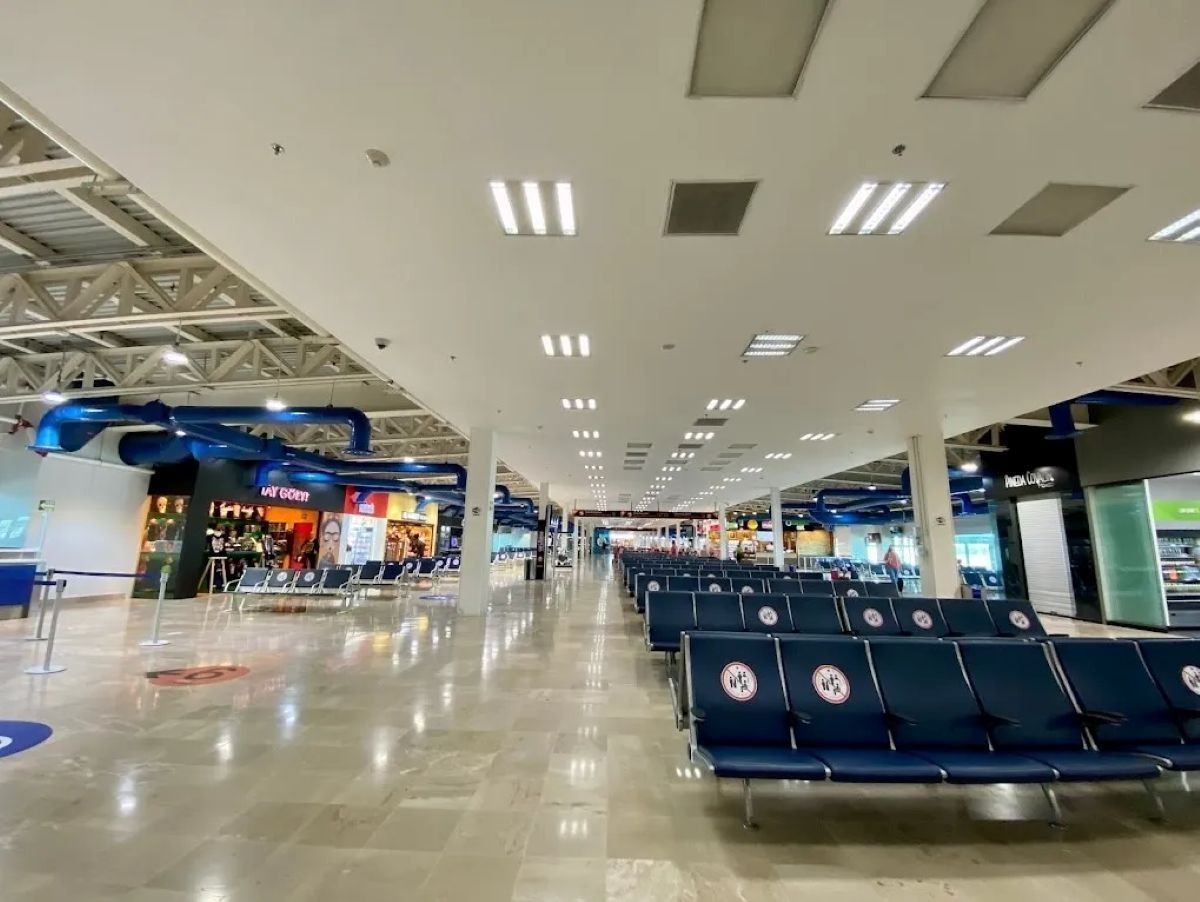

Mexico regional airports are gaining international prominence as Mérida, Oaxaca, Puerto Vallarta and Los Cabos strengthen their aviation networks and tourism economies. The four principal airports handled approximately 20.28 million passengers in 2025, compared with 19.78 million in 2024. Mérida recorded the strongest annual growth at 6.5%, while Oaxaca City’s airport increased traffic by approximately 4.3%. Meanwhile, Oaxaca’s wider four-airport network recorded 21.66% growth in international passenger traffic during January–July 2026. Mexico also generated US$34.99 billion in international visitor expenditure during 2025. However, expanding connectivity raises fresh questions about infrastructure capacity, tourism spending, environmental pressures and regional economic benefits.
Mexico’s Regional Gateways Enter a New Growth Race
Mexico’s tourism industry is increasingly looking beyond its largest international gateways. Four destinations are attracting particular attention through different combinations of aviation development and tourism demand. Mérida is strengthening its cultural tourism proposition, while Oaxaca is expanding its regional airport network. Puerto Vallarta continues developing its established Pacific leisure market, and Los Cabos is investing in premium international tourism infrastructure.
The latest annual airport statistics provide a useful starting point. The four principal airports handled approximately 20.28 million passengers during 2025, representing growth of around 2.5% over 2024. However, performance varied considerably between destinations.
| Airport | 2024 Passengers | 2025 Passengers | Annual Growth |
|---|---|---|---|
| Los Cabos | 7.49 million | 7.53 million | 0.6% |
| Puerto Vallarta | 6.80 million | 6.95 million | 2.1% |
| Mérida | 3.70 million | 3.94 million | 6.5% |
| Oaxaca City | 1.79 million | 1.86 million | 4.3% |
| Combined | 19.78 million | 20.28 million | 2.5% |
The comparison reveals two distinct aviation opportunities. Established coastal gateways already handle millions of passengers, making terminal capacity and operational efficiency important investment priorities. Meanwhile, Mérida and Oaxaca have opportunities to develop additional international services and attract visitors seeking alternatives to conventional beach holidays.
However, these figures require careful interpretation. Airport passenger traffic includes arriving and departing passengers, both domestic and international. It does not represent unique tourists or the number of foreign visitors staying overnight.
Mexico’s national aviation market provides further context. The Tourism Ministry reported 122.4 million passengers on scheduled domestic and international flights during 2025, an increase of 2.4%. Domestic traffic reached approximately 63.5 million, while international services carried 58.9 million passengers.
The international market therefore remains substantial, although domestic aviation continues to provide an important foundation for regional tourism connectivity.
Mérida Strengthens Its Cultural Tourism Connections
Mérida is emerging as one of the most interesting growth markets in Mexico’s regional aviation landscape. The Yucatán capital combines colonial architecture, Mayan heritage, gastronomy and access to some of the country’s most recognised archaeological attractions.
Its airport handled approximately 3.94 million passengers during 2025, compared with 3.70 million in 2024. This represented annual growth of 6.5%, the strongest performance among the four airports examined. International traffic reached approximately 403,384 passengers, increasing 7.4% from the previous year.
The international figures are particularly important because Mérida’s tourism proposition extends beyond conventional resort holidays. The city offers access to Chichén Itzá, Uxmal, cenotes and historic settlements across the peninsula.
New Airline Connections Expand Yucatán’s Reach
North American connectivity offers considerable opportunities for Mérida’s tourism economy. Seasonal international services can attract Canadian and American visitors seeking cultural experiences, winter escapes and alternative Mexican itineraries.
Air Canada’s announced seasonal Toronto–Mérida service for winter 2026–2027 represents an important development. The service is scheduled to begin on 21 November 2026 and continue until 17 April 2027, operating twice weekly. Yucatán’s aviation strategy also includes developing connections with other North American markets.
The wider airport network includes connections through Mexican aviation hubs. These links matter because not every international visitor will find a convenient nonstop flight.
Mérida offers a useful alternative to Cancún as an arrival point for the western and central Yucatán Peninsula. However, the two airports serve different geographical itineraries.
What travellers should know before booking Mérida:
- Choose Mérida Airport when visiting the historic city, Uxmal or western Yucatán.
- Compare Cancún connections when planning eastern Yucatán and Riviera Maya stays.
- Allow sufficient time for road transfers to archaeological attractions.
- Check seasonal international flight schedules before arranging accommodation.
- Book guided visits to popular heritage sites during busy holiday periods.
The next challenge will involve converting stronger air connectivity into longer stays and greater local spending. Restaurants, independent accommodation providers, tour operators and cultural attractions stand to benefit when visitors explore beyond the city centre.
Oaxaca Develops a Wider Regional Airport Network
Oaxaca presents a particularly compelling aviation development story because its tourism economy does not depend on one airport alone. Its cultural capital, Pacific beaches and established resort areas attract different visitor segments. Four airports support this wider tourism geography.
These facilities are Oaxaca International Airport, Bahías de Huatulco, Puerto Escondido and Ciudad Ixtepec. Their combined performance provides a broader picture of regional connectivity than Oaxaca City’s individual passenger statistics.
During January–July 2026, the four airports handled 2,156,272 passengers, an increase of 1.24% over the corresponding period in 2025. More importantly, international passenger traffic increased by 21.66%, while domestic traffic grew 1.55%.
The contrast indicates that foreign passenger demand is expanding faster than the overall market. Available airline seats also increased by 4.72%, while scheduled flight frequencies rose by 5.07%.
Oaxaca’s Regional Aviation Numbers
| Indicator | January–July 2026 Performance |
|---|---|
| Four-airport passenger traffic | 2,156,272 |
| International passenger growth | 21.66% |
| Domestic passenger growth | 1.55% |
| Available seat growth | 4.72% |
| Flight frequency growth | 5.07% |
| Oaxaca City international arrival growth | 5.67% |
| Huatulco international arrival growth | 15.09% |
These figures reveal why Oaxaca deserves greater attention from international travel businesses. Its regional network can support cultural tourism, coastal holidays and emerging leisure destinations through different gateways.
Puerto Escondido Attracts International Attention
Puerto Escondido is becoming an increasingly important part of this development. The destination attracts surfers, independent travellers and visitors seeking less conventional Pacific coast holidays. Its beaches, boutique accommodation and relaxed atmosphere provide a different proposition from large resort complexes.
The airport received 13,412 international passengers during January–July 2026, compared with 1,174 during the corresponding period in 2025. This increase followed the commencement of international operations in April 2025 and subsequent seasonal services.
The scale of the increase is striking, although the low comparison base matters. It should not be interpreted as evidence that Puerto Escondido has already become a major international aviation hub.
A Major Terminal Upgrade Targets Future Demand
Puerto Escondido’s infrastructure programme is another important development. The modernisation project carries an estimated investment of MXN3.02 billion and includes a new passenger terminal covering approximately 18,000 square metres.
The proposed terminal has an annual design capacity of three million passengers. Additional works cover aircraft aprons, runway and taxiway improvements, operational facilities and supporting infrastructure.
| Puerto Escondido Airport Development | Project Details |
|---|---|
| Estimated investment | MXN3.02 billion |
| New terminal area | 18,000 square metres |
| Planned annual capacity | 3 million passengers |
| Civil construction target | December 2026 |
| Expected terminal operations | First quarter 2027 |
| Additional works | Aprons, runway and taxiways |
The published project timetable targets civil construction completion in December 2026, followed by terminal operations during the first quarter of 2027. These remain scheduled milestones rather than confirmation of completed construction.
What the expansion could mean for travellers:
- More passenger-processing space during busy periods.
- Improved facilities for international arrivals.
- Greater scope for additional airline services.
- Better operational support for growing coastal tourism demand.
Nevertheless, airport expansion alone cannot guarantee commercial success. Airlines must identify sustainable demand, while local authorities must improve roads, utilities and visitor services.
Puerto Vallarta Modernises Its Established Leisure Gateway
Puerto Vallarta occupies a different position from Mérida and Oaxaca. It already attracts substantial international leisure traffic, particularly from the United States and Canada. Its beaches, historic centre, resort accommodation and access to Riviera Nayarit create a well-established tourism proposition.
The airport handled approximately 6.95 million passengers during 2025, compared with 6.80 million in 2024. This represented annual growth of 2.1%. International passengers accounted for approximately 3.82 million, while domestic passengers reached 3.12 million.
However, the international figures reveal a more nuanced situation. International passenger traffic declined by approximately 3.5%, despite overall airport growth. Domestic passenger traffic increased by approximately 9.9%, supporting the overall expansion.
This distinction matters because headline passenger growth can conceal changes in the underlying market. Puerto Vallarta’s performance suggests that domestic demand helped offset softer international traffic during 2025.
A New Terminal Addresses Long-Term Capacity
Grupo Aeroportuario del Pacífico, commonly known as GAP, has been developing a major terminal expansion at Puerto Vallarta. Its programme includes a new terminal building and seven additional aircraft positions.
The operator’s development plans identify approximately 134% additional terminal floor area in the final phase. Construction began in 2022, with completion targeted during 2026 and operational commissioning expected in 2027.
The project is intended to strengthen passenger handling and improve airport operations. It also supports the destination’s longer-term ability to accommodate additional flights.
| Puerto Vallarta Development | Details |
|---|---|
| 2025 passenger traffic | 6.95 million |
| Annual passenger growth | 2.1% |
| International passengers | 3.82 million |
| Domestic passengers | 3.12 million |
| Additional aircraft positions | 7 |
| Planned terminal floor-area increase | Approximately 134% |
| Targeted new terminal operations | 2027 |
The development is important for airlines considering additional frequencies. More terminal space and aircraft positions can improve operational flexibility, although actual flight growth will depend on airline demand and available capacity.
Puerto Vallarta also benefits from its geographical relationship with neighbouring Riviera Nayarit destinations. Travellers can combine visits to the city with coastal communities, resort areas and smaller beach destinations. This wider regional tourism offer supports accommodation, restaurants, transport providers and excursion businesses beyond the immediate airport catchment.
Traveller advice: Visitors staying outside Puerto Vallarta should examine transfer arrangements before booking. Riviera Nayarit properties can involve different journey times and transport costs from accommodation within the city.
Los Cabos Pursues a Higher-Value Tourism Model
Los Cabos remains the largest passenger market among the four airports examined. Its airport handled approximately 7.53 million passengers during 2025, compared with 7.49 million in 2024. This represented a modest increase of 0.6%.
The destination’s commercial position differs from other Mexican tourism markets. Luxury resorts, golf courses, marine excursions and premium accommodation attract visitors seeking higher-end leisure experiences.
International passengers reached approximately 4.69 million during 2025, compared with 4.66 million in 2024. Domestic passenger traffic also increased slightly, reaching approximately 2.84 million.
The figures suggest relatively stable demand across both markets. However, the destination’s established scale makes capacity management and service quality particularly important.
Nearly MXN7 Billion Supports Airport Modernisation
GAP has committed nearly MXN7 billion to Los Cabos Airport for 2025–2029. The investment forms part of its wider airport development programme across Mexico.
The planned expenditure aims to modernise facilities and improve the passenger experience. It also reflects the airport’s importance within the operator’s international tourism portfolio.
For Los Cabos, the commercial opportunity extends beyond attracting more passengers. Its premium tourism positioning creates scope for accommodation, restaurants, golf facilities, transport operators and marine tourism businesses to capture greater visitor expenditure.
However, luxury branding should not automatically be treated as proof of higher local economic benefits. Reliable comparisons require destination-level spending, employment and business participation data.
Los Cabos visitor planning advice:
- Check whether accommodation is in Cabo San Lucas or San José del Cabo.
- Compare airport transfer costs before selecting a resort.
- Reserve popular marine excursions and golf experiences early.
- Check seasonal weather and sea conditions before booking boat activities.
- Allow additional travel time for resort-corridor journeys.
The destination also faces resource challenges. Water availability, energy consumption and coastal development require careful management as tourism capacity expands.
Mexico’s Tourism Receipts Expose a Spending Gap
The economic value of additional flights is becoming an important question for Mexico’s tourism industry. More passengers can generate demand for accommodation, restaurants and excursions. However, higher visitor numbers do not automatically produce proportionately higher tourism receipts.
Mexico recorded approximately US$34.99 billion in international visitor expenditure during 2025, an increase of 6.2% over 2024. Yet average expenditure per international visitor declined by approximately 6.6%, reaching US$356.30.
The latest comparable figures for January–August 2026 reveal another important development.
Visitor Numbers and Spending Tell Different Stories
| Indicator | January–August 2025 | January–August 2026 | Change |
|---|---|---|---|
| International visitor expenditure | US$23.93bn | US$24.15bn | +0.9% |
| International tourists | 21.85m | 21.99m | +0.6% |
| Total international visitors | 63.70m | 67.69m | +6.3% |
The data highlights an important difference between international visitors and overnight international tourists. Total visitor numbers also include same-day travellers, making them unsuitable as a direct measure of hotel demand.
For regional tourism authorities, the priority should therefore extend beyond passenger growth. They must encourage longer stays, higher spending and stronger participation from local businesses.
Four economic indicators deserve particular attention:
- Hotel occupancy and average daily room rates.
- International visitor spending and average length of stay.
- Tourism-related employment and local business participation.
- Spending across restaurants, attractions, transport and excursions.
Los Cabos could benefit from its premium accommodation market, while Oaxaca and Mérida can develop experience-led spending. Puerto Vallarta has opportunities across accommodation, entertainment and coastal activities.
However, Mexico does not publish directly comparable airport-specific tourism receipts for these four destinations in the statistics examined. National expenditure should not be attributed directly to individual airports.
Airport Investment Must Match Tourism Ambitions
The four destinations are entering different stages of infrastructure development. Their requirements extend beyond passenger terminals and include aircraft parking, security, immigration, baggage handling and ground transportation.
The principal airport operators also have different responsibilities.
| Airport | Principal Operator | Important Development Priority |
|---|---|---|
| Mérida | ASUR | Terminal capacity and operational improvements |
| Oaxaca City | ASUR | Terminal modernisation |
| Huatulco | ASUR | Regional passenger facilities |
| Puerto Escondido | ASA | Major airport modernisation |
| Ciudad Ixtepec | ASA | Regional connectivity |
| Puerto Vallarta | GAP | New terminal and aircraft positions |
| Los Cabos | GAP | Multi-year airport investment |
This distinction is important because Oaxaca’s four-airport network involves more than one operator. ASUR manages Oaxaca City and Huatulco, while ASA manages Puerto Escondido and Ciudad Ixtepec.
The next investment cycle should address several practical priorities:
- Expand immigration and customs processing for international arrivals.
- Improve baggage handling during seasonal passenger peaks.
- Strengthen airport-to-resort and airport-to-city transport.
- Provide adequate aircraft parking and apron capacity.
- Coordinate terminal development with road and utility improvements.
For airlines, these improvements can support more reliable operations. For travellers, they can reduce processing bottlenecks and improve access to destinations.
Environmental Pressures Could Reshape Future Growth
Tourism expansion also creates infrastructure and environmental responsibilities. Additional flights can bring economic opportunities, but they increase pressure on destinations already managing rapid development.
Los Cabos faces particular concerns surrounding water resources and resort development. Puerto Vallarta must manage coastal construction, transport congestion and urban expansion. Oaxaca’s cultural and coastal destinations also need stronger environmental safeguards.
Mérida and the wider Yucatán Peninsula must protect cenotes, archaeological landscapes and sensitive natural environments as visitor numbers increase.
| Sustainability Issue | Potential Tourism Impact |
|---|---|
| Water availability | Pressure on hotels and local communities |
| Wastewater management | Risks to coastal and natural environments |
| Road congestion | Longer airport transfers |
| Coastal development | Pressure on beaches and ecosystems |
| Housing affordability | Higher costs for residents and tourism workers |
| Seasonal demand | Uneven employment and infrastructure pressure |
Airport investment should therefore connect with wider destination planning. Wastewater treatment, public transport, water management and responsible construction deserve attention alongside passenger-handling facilities.
For tourism operators, these issues are increasingly relevant to long-term commercial planning. Destinations that protect their cultural and environmental assets can maintain a stronger tourism proposition than those pursuing visitor growth without adequate safeguards.
What Travellers Should Check Before Flying
The expanding aviation network creates more opportunities to explore Mexico beyond its traditional resort markets. Nevertheless, passengers should compare airports carefully because the four destinations serve different geographical itineraries.
| Airport | Best For | Important Travel Consideration |
|---|---|---|
| Mérida (MID) | Historic city, Uxmal and western Yucatán | Compare Cancún connections for eastern Yucatán |
| Oaxaca City (OAX) | Heritage, gastronomy and archaeological attractions | Separate from Huatulco and Puerto Escondido |
| Puerto Vallarta (PVR) | Pacific resorts and Riviera Nayarit | Check accommodation transfer distances |
| Los Cabos (SJD) | Cabo San Lucas and San José del Cabo | Compare resort locations and transfer costs |
Additional booking advice:
- Check whether a newly announced route has actually commenced operations.
- Confirm seasonal flight dates before arranging accommodation.
- Compare direct flights with connecting itineraries.
- Check separate-ticket risks when combining different airlines.
- Review baggage, cancellation and transfer conditions.
- Allow sufficient time for domestic connections and international immigration.
- Check weather conditions before booking coastal excursions.
These considerations become particularly important as new routes introduce destinations to travellers unfamiliar with Mexico’s regional geography.
Four Destinations Face Their Next Big Test
Mexico’s regional aviation development reflects a broader transformation in the country’s tourism economy. Mérida is strengthening its cultural connections, while Oaxaca is distributing visitor access across multiple airports. Puerto Vallarta is modernising an established leisure gateway, and Los Cabos is investing in its premium tourism infrastructure.
The next challenge is ensuring that additional connectivity generates lasting economic benefits. Airports must improve passenger facilities, airlines must sustain commercially viable routes and destinations must protect their environmental assets. The strongest tourism markets will not necessarily be those handling the most passengers. They will be those converting international accessibility into longer stays, meaningful local spending and sustainable regional development.
The post Mérida Airport Leads Mexico Regional Airports as Oaxaca, Puerto Vallarta and Los Cabos Expand International Tourism appeared first on Travel And Tour World.