China Joins India and Other Asian Countries Facing US Visa Barriers as Saipan Tightens Entry Rules in 2026
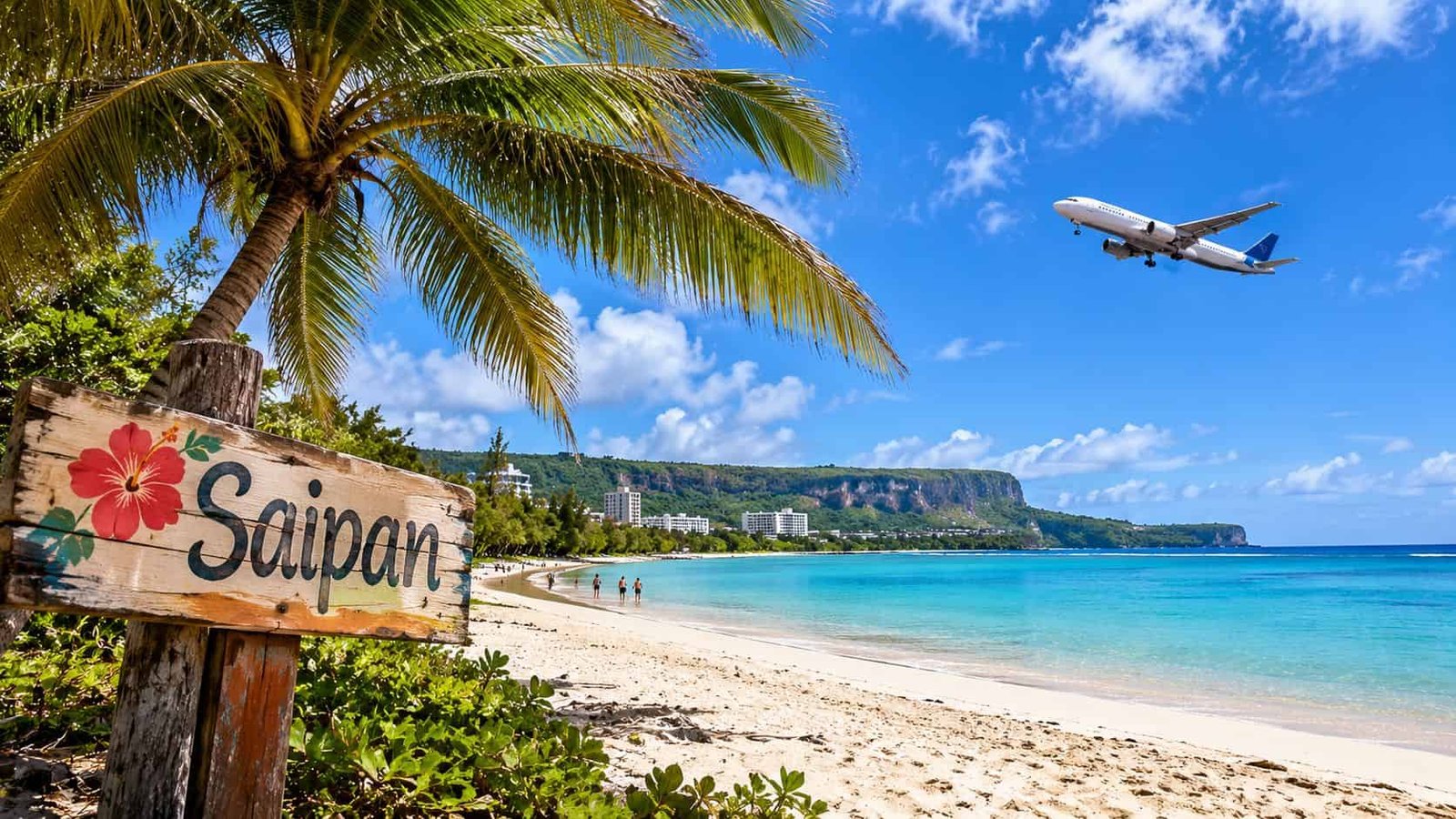


China joins India, the Philippines and other Asian travel markets facing restrictive US entry requirements as Washington prepares to suspend a special visa-free travel programme for Chinese nationals visiting the Northern Mariana Islands from 30 October 2026. The decision raises concerns about Saipan’s tourism recovery, airline connectivity, hotel bookings and the growing divide between countries with visa-waiver privileges and those requiring conventional US visitor visas.
The United States is introducing a significant change to its Pacific border policy, creating fresh uncertainty for international tourism in the Northern Mariana Islands. The Department of Homeland Security (DHS) has announced the suspension of the Economic Vitality & Security Travel Authorization Program (EVS-TAP), which allowed eligible Chinese nationals to visit the Commonwealth of the Northern Mariana Islands (CNMI) for short stays without obtaining a conventional US visa.
The suspension takes effect on 30 October 2026 and follows federal concerns about immigration enforcement, national security vulnerabilities and suspected misuse of travel arrangements.
For Saipan, Tinian and Rota, the consequences could extend beyond border control. Tourism supports accommodation providers, restaurants, transport operators, retailers and recreational businesses across the islands.
The decision also highlights differences in US travel access. Japan, South Korea, Taiwan, Australia and several Southeast Asian markets retain separate visa-waiver arrangements, while Indian and Philippine passport holders generally require conventional US visas.
Although the suspension directly targets Chinese nationals using EVS-TAP, its wider significance lies in how security policies can influence tourism competitiveness, airline planning and destination recovery.
US Suspends Chinese Visa-Free Travel to Northern Mariana Islands From 30 October
EVS-TAP was introduced in February 2025 to facilitate short-term travel by eligible Chinese nationals while maintaining electronic pre-screening requirements.
Under the arrangement, approved visitors could enter the Northern Mariana Islands for tourism or business for up to 14 days.
The programme was geographically restricted and did not authorise travel to Guam, Hawaii or the American mainland.
DHS reported that more than 3,000 Chinese nationals used EVS-TAP during fiscal year 2025.
The new suspension affects previously issued travel authorisations as well as new applications. Travellers already lawfully admitted may complete their authorised stays.
| Policy detail | Position |
|---|---|
| Affected country | China |
| Destination | Northern Mariana Islands |
| Programme | EVS-TAP |
| Suspension date | 30 October 2026 |
| Previous permitted stay | Up to 14 days |
| Previous authorisation validity | One year |
| FY2025 admissions under programme | More than 3,000 |
| Alternative entry | Appropriate US visa, where required |
| Impact on other visa-waiver countries | No automatic change |
The suspension is not a complete ban on Chinese tourism to the United States. Travellers holding appropriate visas may still seek admission under applicable immigration rules.
However, removing the simplified entry route could make spontaneous and short-notice holidays less attractive.
Why DHS Is Suspending the Chinese Travel Programme
DHS says the suspension is necessary while federal agencies review potential national security, law enforcement and immigration risks.
The Northern Mariana Islands occupy a strategically important position in the western Pacific. Tinian has military infrastructure undergoing redevelopment, while neighbouring Guam hosts major American defence facilities.
Federal authorities have raised concerns about unauthorised travel between the islands, intelligence-related vulnerabilities and commercial birth tourism networks.
The US Department of State also announced a separate visa restriction policy in September 2026 targeting people who knowingly participate in or facilitate fraudulent birth tourism arrangements.
However, these concerns must be distinguished from the behaviour of legitimate holidaymakers. The suspension notice does not establish that most Chinese visitors misused the programme.
For tourism businesses, the challenge is maintaining legitimate travel while federal authorities evaluate security risks.
China Faces the Most Immediate Tourism Disruption
China is the only country directly affected by the EVS-TAP suspension.
Previously, eligible Chinese travellers could obtain electronic authorisation for short holidays in Saipan without attending a conventional US consular visa interview.
Removing that option could make last-minute bookings more difficult and increase uncertainty for tour operators.
Saipan’s resorts, restaurants, diving businesses and transport providers may experience cancellations or postponed bookings.
However, the economic impact remains uncertain. More than 3,000 EVS-TAP admissions in fiscal year 2025 do not represent the entire Chinese visitor market or establish how much spending the suspension will affect.
The territory will need updated airline booking, hotel occupancy and visitor spending data to measure the consequences accurately.
Japan and South Korea Retain Visa-Free Access but Face Competitive Pressure
Japan and South Korea retain access to the separate Guam–CNMI Visa Waiver Program, allowing eligible visitors to stay for up to 45 days.
Both countries are important to Pacific island tourism because of their established travel relationships with Guam and Saipan.
Japanese visitors are attracted by beach resorts, diving, shopping and family holidays. South Korean travellers also support accommodation and leisure businesses.
However, competition from destinations across Southeast Asia and the wider Pacific remains significant.
Airline frequencies, accommodation prices, exchange rates and convenient travel schedules influence destination choices.
For Saipan, maintaining Japanese and South Korean air services could become more important if Chinese visitor demand weakens.
Taiwan and Hong Kong Retain Access Under Separate Conditions
Eligible Taiwanese and Hong Kong travellers remain covered by the Guam–CNMI Visa Waiver Program.
Their access is subject to specific passport, identity and travel requirements.
For Hong Kong, qualifying travellers must hold the required Hong Kong Special Administrative Region passport and identification documentation.
Taiwanese travellers must also meet the programme’s specific residency, identification and routing conditions.
These requirements distinguish the two markets from Chinese nationals travelling under the suspended EVS-TAP programme.
For the tourism industry, the distinction matters because travel agencies must provide accurate advice rather than treating all Chinese-speaking visitor markets as having identical entry requirements.
India and the Philippines Face Conventional US Visa Requirements
India and the Philippines are not included in the Guam–CNMI Visa Waiver Program.
Their nationals generally require appropriate US visas for tourism visits, unless another lawful exemption applies.
For Indian travellers, the challenges include visa application procedures, interview availability, long-distance flights and the overall cost of visiting the Pacific islands.
Philippine travellers face visa requirements despite the country’s geographical proximity and established family and business connections with Guam and the Northern Mariana Islands.
Neither country is directly affected by the new Chinese programme suspension.
Nevertheless, their existing requirements illustrate the differences in accessibility between source markets.
For Saipan, attracting additional visitors from India or the Philippines would require addressing both entry requirements and practical transport connections.
Australia, New Zealand and Southeast Asia Offer Opportunities for Tourism Diversification
Australia and New Zealand retain regional visa-waiver eligibility, as do Singapore, Malaysia and Brunei.
These markets offer opportunities to diversify visitor demand beyond China, Japan and South Korea.
However, visa-free access alone does not guarantee strong tourism performance.
Australian and New Zealand travellers must consider flight availability, journey times and competition from closer Pacific destinations.
Singaporean and Malaysian travellers have extensive holiday choices across Southeast Asia.
Brunei represents a smaller potential visitor market, where limited air connectivity may constrain growth.
Papua New Guinea and Nauru also retain eligibility under the regional programme, although their relatively small populations and limited transport networks restrict the scale of potential demand.
The Northern Mariana Islands will therefore need to combine market diversification with airline partnerships and competitive tourism products.
Country-by-Country Comparison of US Pacific Entry Challenges
| Country or market | Entry arrangement | Principal challenge |
|---|---|---|
| China | EVS-TAP suspended from 30 October | New visa requirement for affected travellers |
| Japan | Guam–CNMI visa waiver | Airline capacity and holiday competition |
| South Korea | Guam–CNMI visa waiver | Travel affordability and competing resorts |
| Taiwan | Conditional Guam–CNMI visa waiver | Documentation and routing requirements |
| Hong Kong | Conditional Guam–CNMI visa waiver | Passport and identity requirements |
| India | Generally requires US visa | Interview availability and long-haul travel |
| Philippines | Generally requires US visa | Visa requirements and flight connectivity |
| Australia | Guam–CNMI visa waiver | Distance and travel costs |
| New Zealand | Guam–CNMI visa waiver | Limited direct connectivity |
| Singapore | Guam–CNMI visa waiver | Competition from Asian destinations |
| Malaysia | Guam–CNMI visa waiver | Air connectivity and destination awareness |
| Brunei | Guam–CNMI visa waiver | Small source market and limited routes |
| Papua New Guinea | Guam–CNMI visa waiver | Regional transport constraints |
| Nauru | Guam–CNMI visa waiver | Limited international flights |
| United Kingdom | Guam–CNMI visa waiver | Long-haul travel costs |
The Guam–CNMI Visa Waiver Program covers 12 eligible countries and geographical areas. Travellers generally need approved electronic travel authorisation, appropriate documents and onward or return travel arrangements.
Saipan Tourism Faces Economic Risks as Airlines and Hotels Reassess Demand
The Northern Mariana Islands’ tourism industry remains sensitive to international airline connectivity.
Unlike major mainland destinations, Saipan depends heavily on air services to bring overseas visitors to its resorts, attractions and restaurants.
A reduction in Chinese travel could affect businesses that have developed services around that market.
Travel agencies may need to revise holiday packages, while airlines must ensure passengers meet the new documentation requirements.
US Customs and Border Protection has warned carriers about potential penalties for transporting passengers without the required documents.
For travellers holding existing EVS-TAP approvals, the cancellation of those authorisations creates an immediate need to review bookings before departure.
The economic consequences could extend to workers, suppliers and smaller businesses if the suspension continues.
CNMI congressional delegate Kimberlyn King-Hinds has emphasised that the programme is suspended rather than permanently terminated.
She has also warned that a prolonged interruption could have serious consequences for businesses, workers and families, while supporting efforts to resolve the federal government’s concerns.
Why the Policy Could Reshape Northern Mariana Islands Tourism in 2027
The suspension creates three possible developments for 2027.
A relatively short review followed by programme reinstatement could limit disruption, although travellers and airlines would still need confidence in the revised arrangements.
A prolonged suspension could reduce Chinese leisure demand and increase pressure on hotels and travel operators to attract visitors from other markets.
Alternatively, federal authorities could introduce modified screening or eligibility requirements before allowing streamlined Chinese travel to resume.
No reopening date or replacement arrangement has been confirmed.
For tourism authorities, the immediate priorities are accurate travel information, airline coordination and stronger relationships with existing source markets.
The longer-term challenge is reducing dependence on any single country while maintaining the destination’s competitiveness.
Conclusion
China joins India, the Philippines and other Asian markets in facing greater US entry barriers than eligible visa-waiver travellers, following the suspension of its special Northern Mariana Islands travel programme. The decision creates uncertainty for Saipan’s tourism industry while Japan, South Korea and other eligible markets retain access. As federal authorities review security concerns, the islands face the challenge of protecting legitimate tourism, sustaining airline connectivity and diversifying visitor demand ahead of 2027.
The post China Joins India and Other Asian Countries Facing US Visa Barriers as Saipan Tightens Entry Rules in 2026 appeared first on Travel And Tour World.